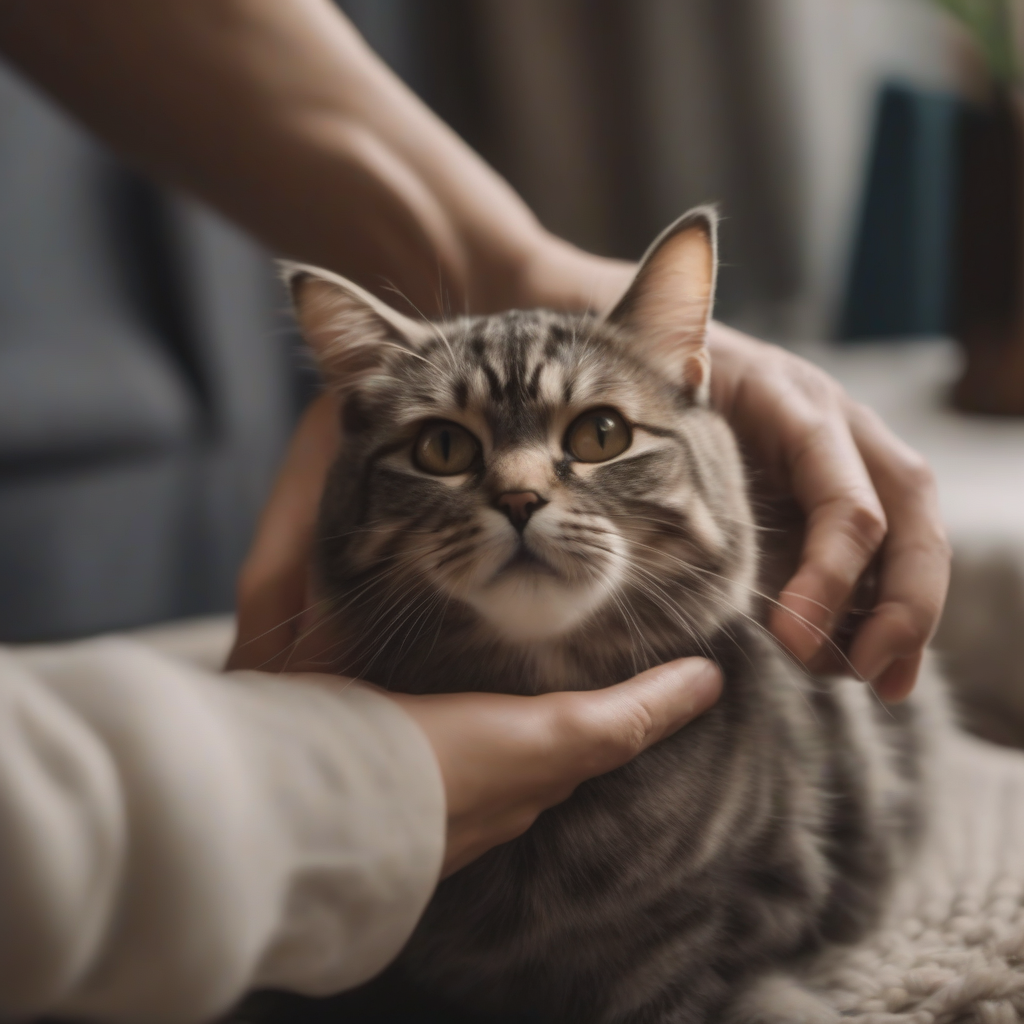
Cats have a unique sensitivity to touch. In this article, you will discover the hidden touch map in your cat's body, the neurophysiological effects of touches, and scientific protocols for stress-free care. Learn the secrets of conscious touches that strengthen the cat-human bond.


Discover the types of burns your dog can suffer, the 5 insidious neurophysiological effects these burns create in the brain and body, and lifesaving emergency intervention strategies in this comprehensive guide. We shed light on the dangers behind forgotten household accidents from a scientific perspective.

Discover the neurobiological signals of hidden stress your newly adopted cat experiences during adaptation to a new social environment. This article reveals 5 insidious signs of your cat's silent struggle and scientific strategies for peaceful, long-term harmony.

Your dog's anal sacs, located beneath the tail, can be hidden alarm bells often overlooked but profoundly affecting their quality of life. In this article, you will discover the 5 insidious neurobiological effects of anal sac problems on the brain and the lifesaving care secrets you need to know for your furry friend to live a peaceful life.
Cats are known for their unique bonds with humans and their independent nature. However, beneath this mask of independence lies an incredibly refined and complex neurophysiological sensitivity to touch. Routine care procedures, for a cat, are more than just physical actions; they can trigger profound neurocognitive and emotional responses. How do essential care steps like nail trimming, brushing, or medication administration interact with your cat's 'touch map' in the brain, and how can you turn these interactions to your advantage? Here at WikiPet, we reveal the scientific secrets behind your cat's responses to touch and professional protocols you can implement for a stress-free care experience.
Cats' skin is much thinner than human skin and densely packed with nerve endings. This allows them to perceive even the slightest touch and can also lead to overstimulation in sensitive areas. The neurophysiological mechanisms underlying this sensitivity have a direct impact on your cat's overall well-being and behavior.
Cat skin is full of various mechanoreceptors, such as Merkel cells, Ruffini corpuscles, Pacinian corpuscles, and Meissner corpuscles. These receptors detect different types of contact, including pressure, vibration, and light touch. Specialized nerves around the vibrissae (whiskers) and hair follicles, in particular, are exceptionally sensitive sensors that transmit environmental information to the brain in high resolution. An incorrect touch or unexpected contact can quickly activate this 'alarm system' and trigger your cat's defense mechanisms.
In the cat's brain, there is a specialized area called the somatosensory cortex where each body region is represented. This map shapes the cat's interaction and perception of its environment. Cats' ears, paws, and abdominal areas, in particular, occupy a large area on this map, which explains why these regions are more sensitive. For example, if Your Cat's Secret 'Tail Whispers' indicate anxiety, touches in these sensitive areas can increase its stress. Sudden or rough touches can negatively affect neuronal activity in these areas, causing the cat to feel fear or discomfort.
An unexpected or unpleasant touch can activate the cat's autonomic nervous system, triggering a 'fight or flight' response. This leads to the release of stress hormones like cortisol. Chronic stress can weaken the cat's immune system and lead to behavioral problems. Therefore, it is crucial to keep the cat's stress level to a minimum during care routines.
There are scientifically proven strategies to make your cat's care routines stress-free. These protocols are based on understanding your cat's neurophysiological structure and developing an appropriate approach.
When interacting with your cat, always make sure to get its 'permission.' Signals such as the cat approaching you, rubbing its head against you, or extending its paw are an invitation for contact. When you start touching, carefully observe the cat's signals for relaxation or withdrawal. If your cat tenses up, flattens its ears, or rapidly wags its tail, stop touching. This approach increases the cat's sense of control, reducing its stress and positively affecting Your Cat's 'Social Signal Defense' mechanisms.
Synthetic feline pheromones (e.g., Feliway) mimic the natural pheromones released by cats' facial glands. These pheromones create a calming and reassuring effect in cats. Using pheromone diffusers before or during care routines can help your cat feel more relaxed neurochemically. This strengthens the cat's scent-based communication with its environment, allowing care procedures to proceed more smoothly and deepens your understanding of Your Cat's Secret 'Scent Embroiderers'.
Cats respond more positively to slow, gentle, and low-pressure touches. Focus on areas they usually enjoy, such as the head, under the chin, and cheeks, while avoiding sensitive areas like the belly or base of the tail. Slow and rhythmic touches can stimulate the vagal nerve, activating the parasympathetic nervous system (rest and digest), which slows the cat's heart rate and promotes overall relaxation.
During care procedures, providing your cat with treats or a favorite toy to create positive experiences is one of the most effective ways to break negative associations. For example, giving a small treat for each nail during trimming or organizing a short play session after brushing helps your cat associate these procedures with a positive event. This activates learning and memory regions within Your Cat's 'Hidden Mental Arena', reducing its resistance to future care processes.
Cats love routines and predictability. Performing care procedures at the same time or in the same place each time allows the cat to know what to expect and reduces anxiety. This predictability leads to relaxing neurochemical responses in memory and learning-related areas of the cat's brain, such as the hippocampus.
Some care situations can trigger your cat's touch sensitivity more intensely and require special attention:
Cats' paws are equipped with dense nerve endings critical for proprioception (perception of body position) and balance. Gentle handling of the paws during nail trimming and avoiding sudden movements is essential. Even turning this process into a game or reward session can prevent the cat from resisting.
Procedures like administering oral medication or cleaning ears can be challenging due to the cat's sensitivity around the face and head. In these situations, wrapping the cat calmly in a towel (burrito technique) and completing the procedure with quick, gentle movements can help keep stress to a minimum.
Cat grooming is essential for healthy skin and coat structure. However, improper brush selection or rough movements can irritate the skin and cause pain. As required by Your Cat's 'Hidden Fur Care Architecture', use a soft brush appropriate for your cat's coat type and always observe your cat's reactions. Brushing can be transformed into a bonding time by turning it into a massage session.
Understanding your cat's hidden touch map not only facilitates care routines but also deepens the bond between you and enhances its overall quality of life. With empathy and a scientific approach, every touch can become a message of love and trust. Remember, your cat's reactions always whisper something to you; the important thing is to learn to hear those whispers.
