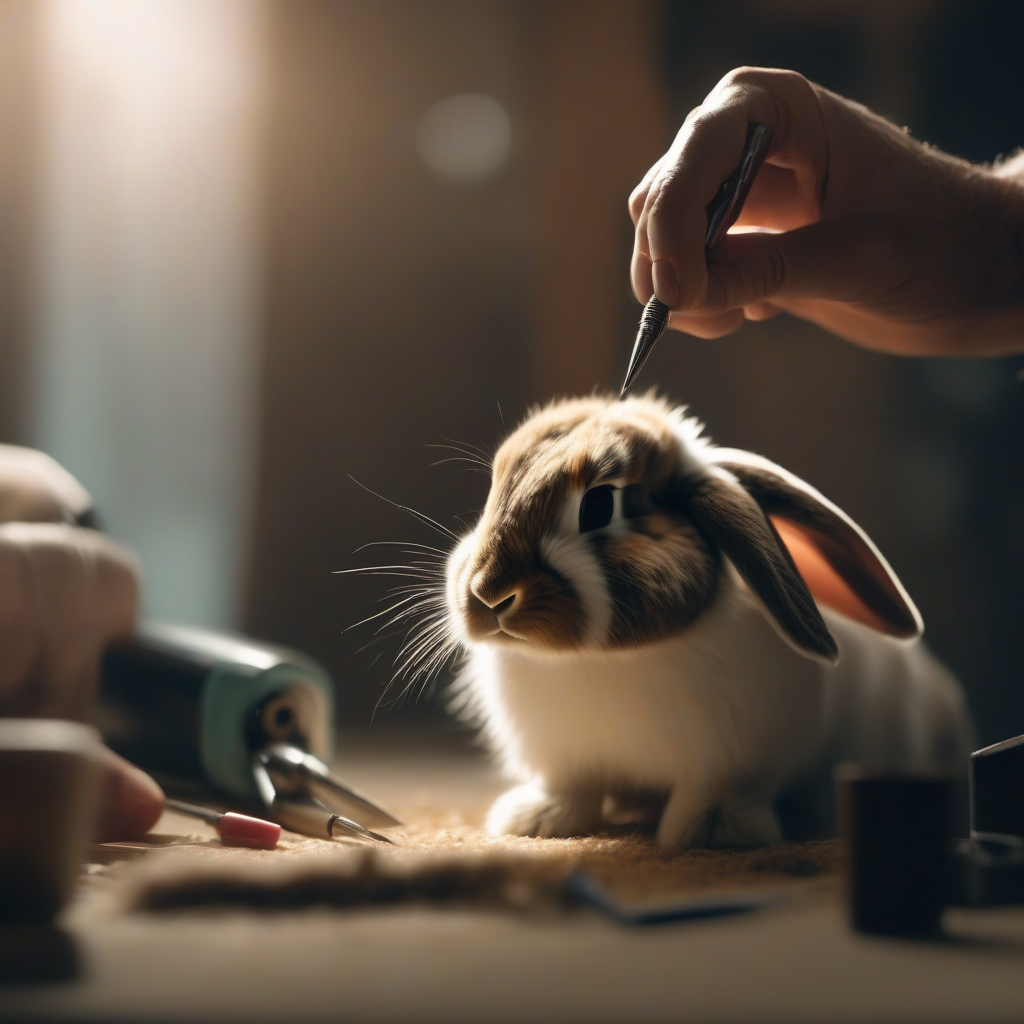
In this article, you will discover the deep neurobiological effects of rabbit nail trimming, scientific techniques to eliminate stress, and the secrets of safe at-home care.


While cats possess a surprising ability to adapt to high-rise fall traumas, the insidious neurophysiological effects on their brain carry vital risks. In this article, we reveal 5 critical neurobiological effects your cat may experience after a fall and the lifesaving emergency intervention codes with scientific secrets.

In this article, you will discover how your rabbit copes with unexpected situations and its neurocognitive responses to non-routine events. Learn scientific secrets to enhance mental flexibility and manage stress.

In this article, you will find comprehensive information on the insidious neurophysiological effects of seizures in cats' brains and lifesaving emergency intervention codes during a seizure.
Rabbits are elegant and sensitive creatures that, in their natural habitats, constantly wear down their nails through continuous movement. However, when domesticated rabbits are deprived of this natural wear mechanism, their nails can grow excessively long, leading to serious health issues. Overly long nails can cause physical problems such as difficulty walking, loss of balance, injuries, and even spinal deformities. Simultaneously, they can have profound negative effects on your rabbit's neurocognitive health. Nail trimming is a vital procedure that should be on every rabbit owner's routine care calendar. Yet, this seemingly simple task often becomes a major source of stress for rabbits. In this article, we will unravel the neurobiological secrets behind rabbit nail trimming and explore 5 scientific techniques, based on neurocognitive principles, to minimize stress and ensure your rabbit's physical and mental well-being, step by step.
Rabbit nails, similar to cats', contain a sensitive live tissue called the "quick," which is rich in blood vessels and nerve endings. Accidentally cutting this tissue leads not only to pain but also to significant bleeding and a deeply traumatic experience. Due to their prey animal nature, rabbits have heightened pain and stress responses, and such a negative experience can make future nail trimming sessions much more challenging.
The "quick" area within the nail has a rich network of nerves. These nerves can send intense pain signals even from a light touch. An improper cut causes not only immediate physical pain but also lasting negative associations in the rabbit's amygdala (the brain's fear center). This situation leads the rabbit to develop persistent anxiety and fear related to nail trimming. This neurocognitive conditioning causes the rabbit to trigger defensive mechanisms like fleeing, kicking, or biting in subsequent procedures.
Excessively long nails alter the pressure points on the rabbit's paws, disrupting its normal gait. This places abnormal stress on the joints and can lead to chronic pain. Constant pressure on the paws affects the rabbit's neurosensory system, increasing its overall discomfort and stress levels. This continuous discomfort can result in changes in the rabbit's behavior, loss of appetite, and a general decline in its well-being.
Applying neurocognitive principles to make your rabbit's nail trimming experience a positive one is critically important.
Positive reinforcement allows your rabbit to associate positive emotional responses with nail trimming. Rewarding them with their favorite treats or toys before, during, and after each trimming session triggers dopamine release. This neurochemical response transforms the procedure into a "rewarding" experience, reducing fear and anxiety. Start with small steps: simply showing the nail clippers and then immediately giving a reward can help break negative associations with the clippers. For more detailed information on this topic, you can refer to the article Your Rabbit's 'Secret Reward Map': 5 Neurocognitive Secrets of Positive Reinforcement in the Brain and Scientific Strategies to Accelerate Training!.
Rabbits can panic when they don't feel secure. Holding your rabbit gently but firmly during nail trimming ensures both your and your rabbit's safety. One of the best methods is to wrap the rabbit in a towel (burrito technique) or calm it by holding it on its back, in your lap, or on a table, covering its head and eyes. Keeping their eyes covered prevents the triggering of prey animal instincts and makes them feel less threatened. This biomechanical hold prevents the rabbit from feeling restricted while minimizing the risk of escape or injury.
Poor quality or dull nail clippers can crush the nail, causing pain and trauma. Always use sharp and clean clippers specifically designed for rabbits. A sharp cut makes the process quick and painless, minimizing negative stimulation to the rabbit's nervous system. If you have difficulty seeing the quick in opaque nails, using lighted clippers or a flashlight can help identify it.
Rabbits are extremely sensitive to changes and noises in their environment. Choosing a calm, quiet, and familiar environment for nail trimming significantly reduces the rabbit's stress level. Loud noises, sudden movements, and bright lights can increase the rabbit's cortisol levels, triggering a "fight or flight" response. Performing the procedure in a room where your rabbit feels safe, usually near its cage or a frequently visited area, helps reduce anxiety related to the procedure. Additionally, given rabbits' reliance on routines, performing nail trimming at a specific time and under similar conditions helps manage stress, as detailed in the article Your Rabbit's 'Secret Routine Addiction': 5 Neurocognitive Effects of Daily Changes on Brain Chemistry!.
For rabbits, nail trimming is a process that needs to be gradually introduced over time, rather than a one-time event. Start by simply touching their paws, then progress with steps like showing the clippers and gently touching the nails. Reward every positive interaction. This desensitization process facilitates the rabbit's adaptation to the new experience and reinforces their trust in you, as explained in the article Your Rabbit's 'Hidden Bonding Rituals': 5 Neurocognitive Secrets to Building Trust in a New Environment and with You!. Instead of trimming all nails at once, keep sessions short and positive by trimming one or two nails at a time. Over time, your rabbit's tolerance will increase.
The most common mistake during nail trimming is cutting the "quick." It's important not to panic if this happens. Stop the bleeding using a sterile hemostatic powder (styptic powder) or cornstarch, and calm your rabbit. If the bleeding doesn't stop or the rabbit shows signs of shock (rapid breathing, lethargy), seek immediate veterinary attention. The article Your Rabbit's 'Invisible Internal Wounds': 5 Insidious Signs of Internal Bleeding and Shock After Trauma and Lifesaving Scientific Emergency Intervention! can offer additional guidance for emergencies.
Conclusion
Rabbit nail trimming is not just a physical care routine; it is also a neurocognitive experience that builds trust between you and your rabbit and directly impacts its mental well-being. By using scientific techniques, patience, and positive reinforcement, you can transform this process into a less stressful, safer, and even bond-strengthening activity for both you and your rabbit. Remember, carefully observing your rabbit's behavior and seeking professional veterinary help when needed are among the most crucial steps to ensure its healthy and happy life.
