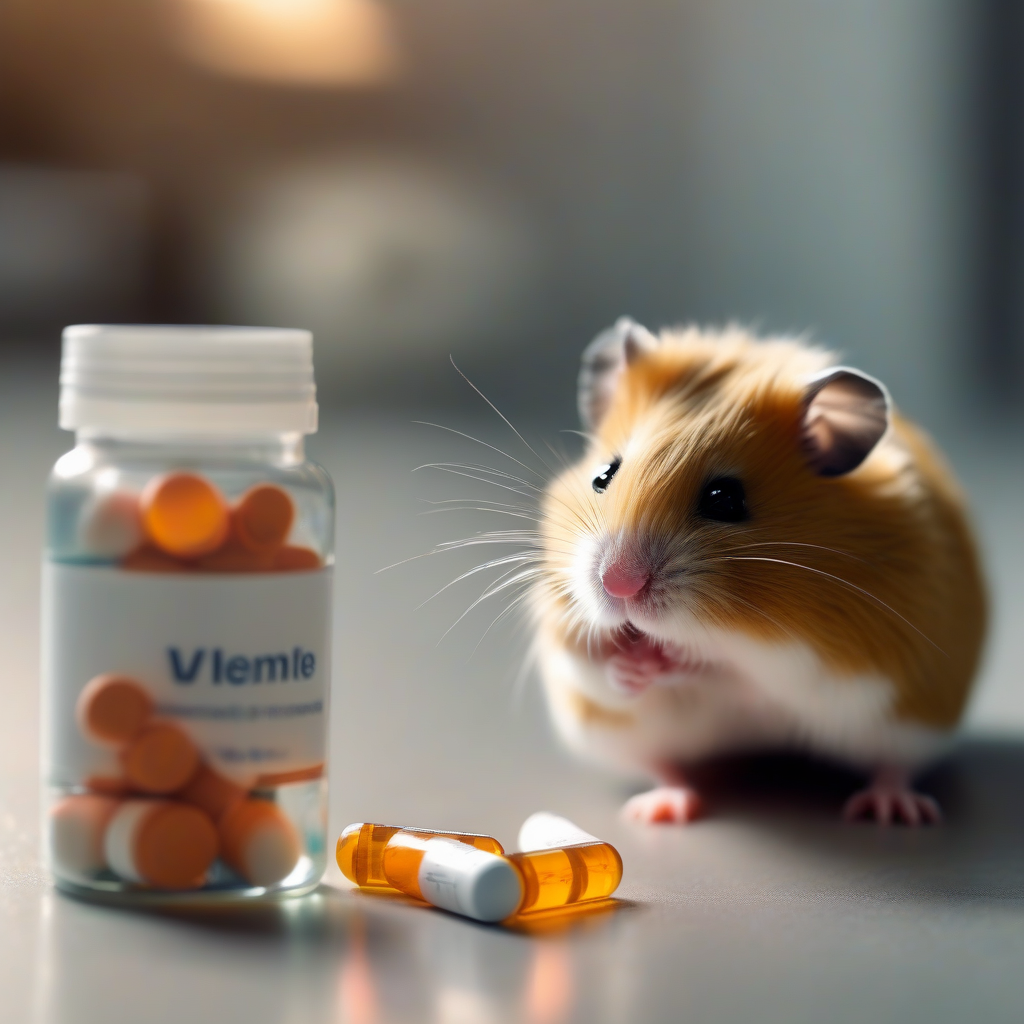
In this article, you will find comprehensive information on the insidious neurotoxic effects of household drug poisoning on the hamster's brain, its symptoms, and emergency intervention strategies that can save your tiny friend's life.


While cats possess a surprising ability to adapt to high-rise fall traumas, the insidious neurophysiological effects on their brain carry vital risks. In this article, we reveal 5 critical neurobiological effects your cat may experience after a fall and the lifesaving emergency intervention codes with scientific secrets.

In this article, you will discover how your rabbit copes with unexpected situations and its neurocognitive responses to non-routine events. Learn scientific secrets to enhance mental flexibility and manage stress.

In this article, you will find comprehensive information on the insidious neurophysiological effects of seizures in cats' brains and lifesaving emergency intervention codes during a seizure.
Hamsters, with their tiny size, curious nature, and constant urge to explore, can be the joy of our homes. However, a common medication easily accessible in our homes can turn into a silent and fatal tragedy if encountered by these lovable creatures. Due to their small metabolism and rapid absorption capabilities, even a dose considered harmless for humans can be life-threatening for hamsters. In this article, we delve into the insidious neurotoxic effects of medication poisoning on the hamster's brain and the emergency intervention codes that can save your tiny friend's life, using a scientific approach.
Hamsters are particularly vulnerable to medications due to their gnawing habits and tendency to taste everything within reach. Whether it's a painkiller tablet dropped on the floor or a vitamin bottle accidentally left open, your tiny friend's curiosity can lead to fatal consequences. Ingested medications are rapidly absorbed into the bloodstream, initiating a "neurotoxic dance" that disrupts the delicate neurochemical balance in the brain. This dance can lead not only to physical symptoms but also to permanent neurological damage.
Some medications can suppress the hamster's central nervous system (CNS), causing profound lethargy, loss of coordination, disorientation, and even coma. Conversely, certain substances (e.g., some antidepressants or stimulants) can overstimulate the CNS, leading to hyperactivity, tremors, twitching, seizures, and agitation. These conditions arise from an imbalance in brain neurotransmitters, completely disrupting the hamster's normal behavior. These signs might be confused with your Hamster's 'Silent Paralysis Shadow', so careful observation is vital.
Many medications can affect the heart's electrical conduction system, leading to abnormal heart rhythms (arrhythmias). This can result in the heart being unable to pump enough blood, causing weakness, pale mucous membranes, and even sudden cardiac arrest. A hamster's tiny body is much more sensitive to such changes, and the strain on the heart can quickly reach a critical state.
Particularly CNS depressants like opioids or sedatives can suppress respiratory centers, reducing the rate and depth of breathing. This restricts the body's oxygen intake and hinders carbon dioxide excretion. Consequently, hamsters may exhibit shortness of breath, bluish mucous membranes (cyanosis), and ultimately respiratory arrest. This emergency may resemble other respiratory emergencies, such as Your Hamster's 'Hidden Death Trap' in the Throat, but its origin is entirely different.
Most medications are metabolized in the liver and excreted from the body via the kidneys. Overdoses of toxic medications can cause severe damage to these vital organs. Liver damage may manifest as jaundice, anorexia, and general lethargy, while kidney damage is associated with changes in urine production and dehydration. If not intervened in time, these damages can lead to permanent organ failure.
Some medications can cause irritation, ulceration, and even bleeding in the stomach and intestinal lining. Non-steroidal anti-inflammatory drugs (NSAIDs) are particularly risky in this regard. While vomiting is rare in hamsters, symptoms such as diarrhea, anorexia, abdominal pain, and blood in the stool can be signs of internal bleeding risk. This condition is also a common poisoning effect in pets, as mentioned in the article Your Cat's 'Insidious Poison Whispers'.
If you suspect medication poisoning in your hamster, every second counts. Instead of panicking, follow these steps quickly and consciously:
Immediately move your hamster away from the suspected medication or contaminated area. If possible, try to identify the name, dosage, and estimated time of ingestion of the medication. Take the medication box or leaflet with you.
Without delay, contact a veterinarian experienced in exotic animals or an emergency veterinary clinic. Explain the situation and share all the information you have gathered (medication name, dosage, estimated ingestion time, hamster's symptoms). Never attempt to administer any treatment or induce vomiting in your hamster without your veterinarian's instruction. Hamsters are not anatomically or physiologically suited for vomiting, and such attempts can cause further harm.
While en route to the vet or awaiting instructions, carefully observe and note all symptoms in your hamster. Details such as respiratory rate, heart rate (if you can feel it), behavioral changes, tremors, seizures, drooling, diarrhea, lethargy are critical for diagnosis and treatment. Your veterinarian will conduct a comprehensive evaluation, similar to what they would do in another emergency like Your Hamster's 'Fractured Bone Whispers'.
Your veterinarian may implement the following, depending on the severity of the situation:
The recovery process after poisoning varies depending on the type and amount of medication ingested and the intervention received. Strictly follow your veterinarian's instructions. Most importantly, to prevent future poisonings, store all medications (prescription, over-the-counter, including herbal supplements) in locked cabinets, out of reach of children and pets. Never give human medications to your pet, and be vigilant about pills dropped on the floor. Protect areas designed for your pet from other household dangers, such as Your Hamster's 'Silent Electrical Shock'.
Remember: Your hamster's health is in your hands. Eliminating potential dangers and acting quickly in an emergency directly impacts your tiny friend's quality and length of life.
