
In this article, you will find comprehensive information about the early signs of osteoporosis in rabbits and 5 scientific methods that can be applied to protect bone health.


In this article, you will discover the little-known but profound effects of the acoustic environment in rabbit living spaces on their brain health and general well-being, exploring the neurobiological consequences of both sound deprivation and overstimulation, and scientific secrets to creating a peaceful environment. Understand and optimize your rabbit's world with expert tips.
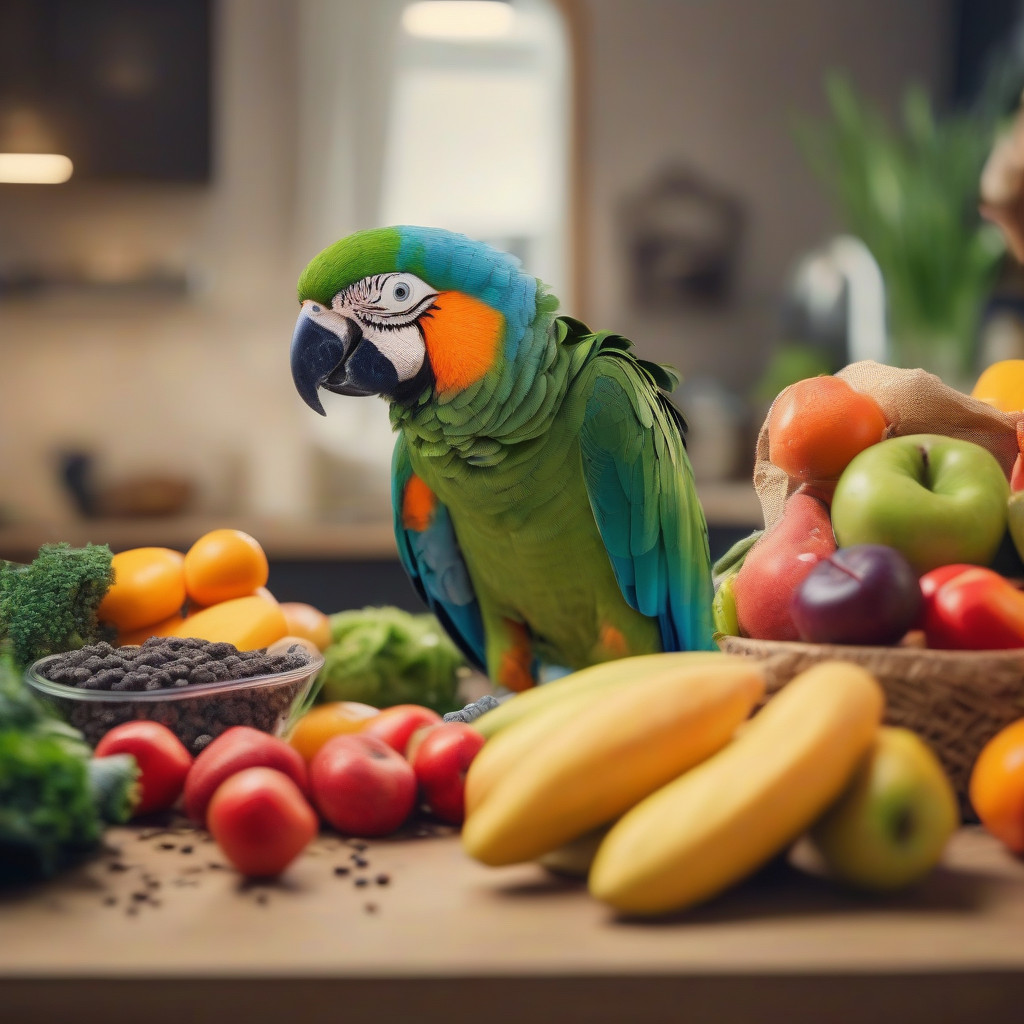
In this article, you will find comprehensive information about the insidious neurobiological effects of artificial colorings, preservatives, and flavors found in commercial bird feeds on your bird's brain health and mental vitality. We explore scientific nutritional secrets to combat these hidden dangers, shedding light on a wide spectrum of effects from behavioral changes to cognitive decline.

In this article, you can discover the scientific secrets to understanding your cat's undesirable habits, deciphering the neurocognitive mechanisms in their brain, and establishing lasting new routines.
Rabbits are known for their delicate and graceful physiques. However, this sensitivity makes them more vulnerable to various health issues. One topic gaining increasing attention in the veterinary community in recent years is the early diagnosis and prevention of osteoporosis in rabbits. This silent disease reduces bone density and quality, increasing the risk of fractures. While it is more commonly seen in older rabbits, factors such as nutritional deficiencies, genetic predispositions, and insufficient exercise can trigger the development of osteoporosis at any age.
In this article, we will delve deep into how you can hear the 'secret bone whispers' of your rabbit's bone health and explore 5 scientific ways to take proactive measures against this insidious disease.
Osteoporosis is a condition where bone tissue gradually weakens and thins over time. This makes the bones more brittle. The symptoms of osteoporosis in rabbits are often very subtle and misleading. As a result, the disease may not be noticed until it reaches an advanced stage. Fractures occurring due to sudden movements, falls, or trauma can be the first and most obvious sign of osteoporosis. However, there are also subtler signals we should pay attention to before reaching this point.
If you notice your rabbit avoiding activities it normally enjoys, such as jumping, climbing, or playing, it could be an early sign of bone pain or weakness. Difficulty moving, especially in the mornings or after a long period of rest, might indicate that your rabbit is experiencing a hidden bone disorder. This is an important clue that warrants consultation with your veterinarian. Observing behavioral changes, similar to those discussed in Your Rabbit's 'Invisible Stress Response Atlas': Unlock 5 Neurological Locks for a Calm Companion!, provides valuable insights into their overall health.
Dental health in rabbits is directly related to overall bone health. Weakening of the jawbones can lead to loose, misaligned, or overgrown teeth. Topics like Your Rabbit's 'Secret Jaw Lock': 5 Insidious Signs of Dental Malocclusion and Lifesaving Scientific Solutions! and Your Rabbit's 'Secret Jaw Whispers': 5 Insidious Behavioral Clues Beyond Dental Health and Secrets to Calmness! highlight the critical importance of dental health. If you notice any noticeable abnormalities in your rabbit's teeth, difficulty eating, or tenderness in its jaw, this could be an indicator of weakened jawbones.
One of the most significant causes of osteoporosis in rabbits is insufficient intake of calcium and vitamin D. These essential nutrients, which form the structure of bones, directly impact bone density. Insufficient fiber intake can also negatively affect calcium absorption. Therefore, providing your rabbit with a balanced and nutritious diet plays a critical role in maintaining bone health. Articles like Your Rabbit's Secret Immunity Compass: 5 Critical Vitamin and Mineral Deficiency Signals! and Your Rabbit's 'Secret Fiber Code': 5 Insidious Neurometabolic Effects of Insufficient Chewing Fiber and Scientific Solutions for Optimal Digestion-Dental Health! detail the importance of nutrition. High-quality hay, fresh vegetables, and calcium supplements recommended by your veterinarian are key to supporting bone health.
Regular movement is vital for strengthening your rabbit's bones and maintaining their density. Insufficient exercise can lead to weakened bones and increased susceptibility to osteoporosis. Allowing your rabbit to roam and explore freely in a safe area outside its cage is one of the most effective ways to support bone health. Factors like those discussed in Your Rabbit's 'Secret Ground Maze': Neurosensory Secrets of Substrate Choice and 5 Scientific Principles Triggering Welfare! influence overall quality of life and, consequently, mobility.
Regular veterinary check-ups are the most crucial step for early diagnosis of silent diseases like osteoporosis. Your veterinarian can identify potential signs of bone weakness during a physical examination. If necessary, imaging methods such as X-rays can provide more definitive information about bone density. They can also help you proactively protect your rabbit's bone health by providing a tailored nutritional plan and exercise recommendations based on its lifestyle and needs.
Osteoporosis in rabbits is a manageable condition with early diagnosis and proper care. Maintaining bone health is paramount through a balanced diet, adequate exercise, regular veterinary check-ups, and awareness of potential risk factors (e.g., poisonous plants like those discussed in Your Rabbit's 'Insidious Green Poison': 5 Common Household Plants with Deadly Effects and Lifesaving Scientific Emergency Intervention!). By listening to your rabbit's 'secret bone whispers' and implementing these scientific strategies, you can ensure it lives a long, healthy, and active life.
Remember, every rabbit is unique, and it is always important to consult your veterinarian for the most appropriate care plan.
