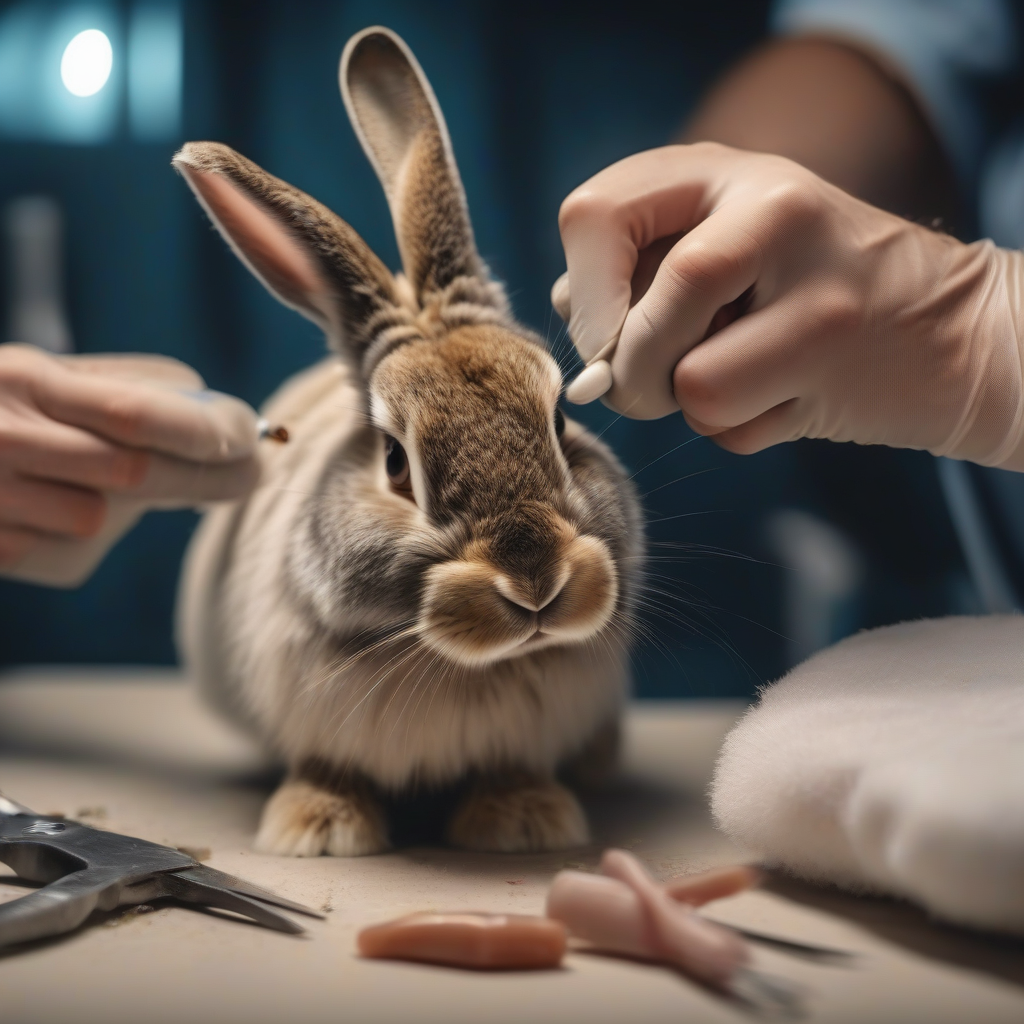
In this article, you will find comprehensive information on why rabbit nail care is vital, the hidden pain sources that can arise from neglect, and science-backed care secrets for maintaining healthy nails.


Discover the neurobiological signals of hidden stress your newly adopted cat experiences during adaptation to a new social environment. This article reveals 5 insidious signs of your cat's silent struggle and scientific strategies for peaceful, long-term harmony.

Your dog's anal sacs, located beneath the tail, can be hidden alarm bells often overlooked but profoundly affecting their quality of life. In this article, you will discover the 5 insidious neurobiological effects of anal sac problems on the brain and the lifesaving care secrets you need to know for your furry friend to live a peaceful life.
In this article, you will find comprehensive information on the insidious neurotoxic effects of heavy metal poisoning in aquarium fish, its symptoms, and lifesaving emergency intervention codes. This condition, which can arise from household water sources, improper equipment, or neglect, can severely threaten your fish's quality of life and lifespan.
While rabbits bring joy to our homes with their cute appearance and quiet nature, their post-adoption care involves many subtle details. One of these details, often overlooked but critically important for rabbit health and welfare, is nail care. In their natural habitat, rabbits constantly dig and move on hard surfaces, which naturally wears down their nails. However, for pet rabbits, this natural process doesn't occur, making regular human intervention essential. So, what are the scientific secrets of rabbit nail care, and why is it so important?
Overgrown rabbit nails are much more than a simple aesthetic problem; they are a significant source of pain and a potential health threat for our tiny friends. Nails that are longer than ideal disrupt the rabbit's natural posture and gait. Scientifically, this condition alters the rabbit's center of gravity, creating abnormal pressure on the joints and potentially leading to arthritis and other skeletal system problems. By preventing the toes from making proper contact with the walking surface at the correct angle, rabbits try to develop different walking patterns to compensate for the pain. This can increase their stress levels and reduce their overall quality of life. If you notice a change in your rabbit's behavior or movement, one of the underlying causes, in connection with topics like Your Rabbit's Secret Emotional World: Decoding Silent Screams and Mastering Behavioral Codes to Reduce Stress, could be hidden pain caused by overgrown nails.
Long nails cause the rabbit's weight to be distributed unevenly on the paw pads. Particularly in areas of the hocks (heels) of the hind feet that are continuously subjected to pressure, hair loss, redness, and infections can develop. This condition is called pododermatitis or commonly 'sore hocks'. In severe cases, it can progress to open wounds, ulcers, and bone infections. This is not only painful but also severely restricts the rabbit's mobility and diminishes its quality of life. Regular nail care is the first line of defense in preventing such infections.
Trimming a rabbit's nails is a straightforward process when done with the right knowledge and equipment. However, if done incorrectly, it can lead to bleeding and pain. Inside the rabbit's nail is a living tissue called the 'quick'. This tissue contains nerves and blood vessels, and if cut, it will cause the rabbit pain and bleed. In dark-colored nails, the quick can be difficult to see, making the process riskier. Therefore, it is important to use small nail clippers specifically designed for nail trimming and a light source if the nail color is dark.
Nail care is not just about trimming; your rabbit's living environment and diet also play a significant role in nail health. A properly designed Your Rabbit's Habitat: The Art of Stress Reduction with Hidden Areas and Secret Escape Routes (2026) can aid in natural nail wear.
The type of flooring used in rabbit cages or living areas directly affects nail health. While very soft carpets or fabrics do not help wear down nails, entirely hard and slippery surfaces can increase the risk of pododermatitis. The ideal approach is to offer a combination of abrasive surfaces that help naturally wear down the nails (e.g., specially designed nail-wearing plates, hard wood, or stone surfaces) and soft areas for resting. Spending time outdoors in controlled, safe areas can also contribute to natural nail wear.
A rabbit's diet is crucial not only for its digestive system but also for nail and bone health. A high-fiber diet supports overall health and can help nails grow stronger and healthier. Adequate calcium and vitamin D intake are also essential for proper nail and bone development. To learn about nutritional dynamics beyond fiber, which is vital for digestive health, you can read our article Your Rabbit's Digestive Secrets: Vital Nutritional Dynamics Hidden Beyond Fiber (March 2026).
Especially for first-time nail trimmers, seeking support from a veterinarian is highly beneficial. A veterinarian can demonstrate the correct technique, guide you on how to identify the quick, and provide specific advice tailored to your rabbit's nail structure. Furthermore, if your rabbit's nails are excessively long or if there's a health issue like pododermatitis, professional intervention and a treatment plan are vital. Regular veterinary check-ups are the best way to maintain your rabbit's overall health and diagnose potential nail-related problems early on.
Remember, while your rabbit's nail care may seem like a minor detail, it is a fundamental requirement for them to live a pain-free, happy, and long life. With regular and informed care, you can protect your tiny friend's foot health, prevent hidden sources of pain, and elevate their overall well-being.
