
We delve into the critical importance of indoor air quality for rabbits' sensitive respiratory systems and how invisible allergens and irritants subtly threaten our furry friends' health, backed by scientific data. In this article, you'll discover how to identify hidden dangers in your living space and proactive steps you can take to strengthen your rabbit's respiratory shield.


Discover the neurobiological signals of hidden stress your newly adopted cat experiences during adaptation to a new social environment. This article reveals 5 insidious signs of your cat's silent struggle and scientific strategies for peaceful, long-term harmony.

Your dog's anal sacs, located beneath the tail, can be hidden alarm bells often overlooked but profoundly affecting their quality of life. In this article, you will discover the 5 insidious neurobiological effects of anal sac problems on the brain and the lifesaving care secrets you need to know for your furry friend to live a peaceful life.
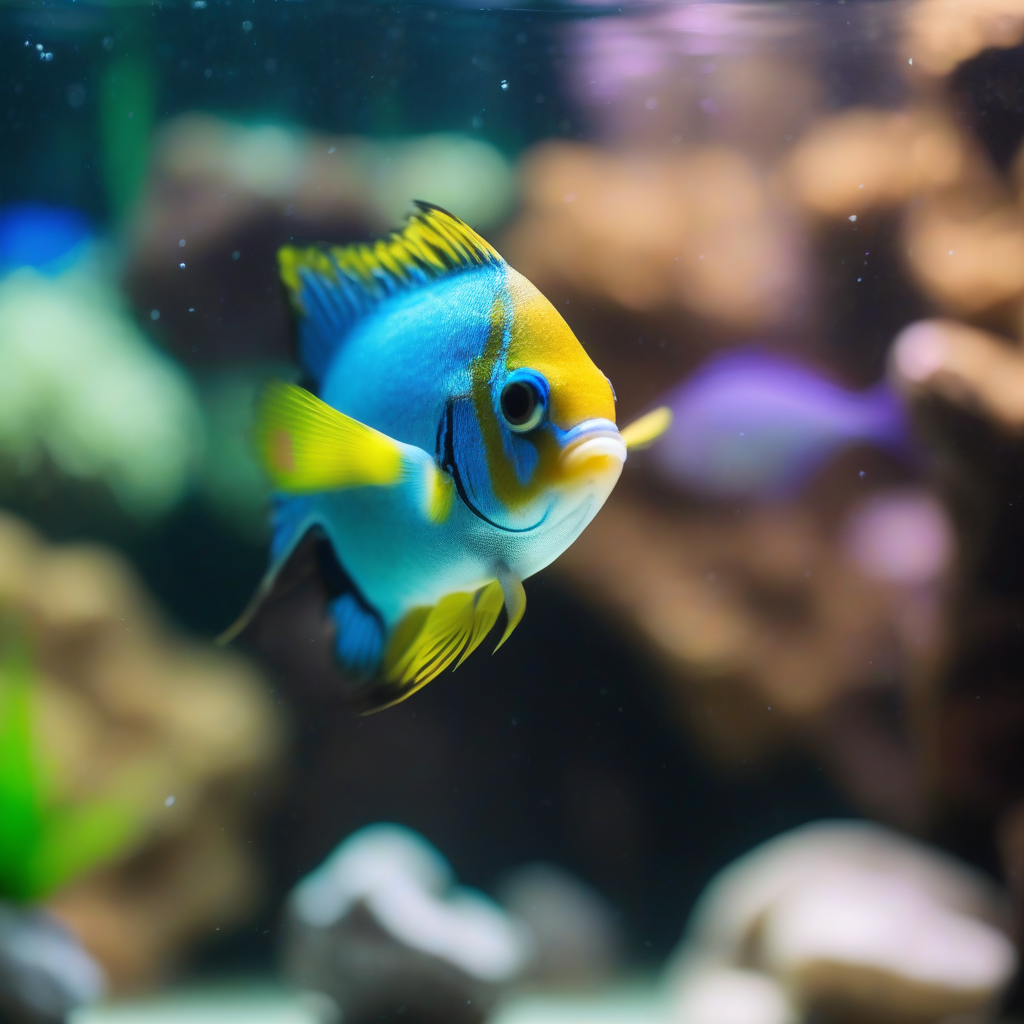
In this article, you will find comprehensive information on the insidious neurotoxic effects of heavy metal poisoning in aquarium fish, its symptoms, and lifesaving emergency intervention codes. This condition, which can arise from household water sources, improper equipment, or neglect, can severely threaten your fish's quality of life and lifespan.
Rabbits, accustomed to fresh air in their natural habitats, possess sensitive respiratory systems. In a home environment, however, many factors that seem harmless to us humans can subtly breach our tiny friends' 'invisible air shield' and lead to serious health problems. As of March 2026, the latest advancements in pet science emphasize once again the critical impact of living space air quality on rabbit health. In this article, we will scientifically examine the hidden dangers threatening your rabbit's respiratory system, discover how to detect them, and explore strategies you can implement to create a healthy living environment.
Rabbits' nasal structure, narrow airways, and inability to breathe through their mouths make them highly vulnerable to changes in air quality. Unlike humans, rabbits cannot breathe orally if their nasal passages are blocked, meaning even a mild obstruction can escalate into a severe emergency. Long-term exposure to irritants can lead to chronic respiratory infections, allergic reactions, and even asthma-like conditions that diminish their quality of life.
Many factors in the home environment pose a potential danger to rabbits, often without us even realizing it:
Here are some scientifically proven strategies to protect your rabbit's respiratory health:
Ventilating for short periods several times a day helps reduce indoor VOCs and other pollutants. However, ensure your rabbit is not exposed to drafts.
HEPA-filtered air purifiers can significantly improve air quality by filtering out pollen, dust mites, pet dander, and VOCs. However, it's crucial to avoid ionizers or ozone-emitting models, as ozone is a respiratory irritant for rabbits. Under the heading Your Rabbit's 'Secret Space Defense': How to Reset Stress with New Cage Layouts? Scientific Codes Revealed!, details such as the placement of the air purifier in the cage can also be addressed.
Opt for natural alternatives like vinegar and baking soda instead of chemical-laden cleaners. When cleaning, move your rabbit to another room and thoroughly ventilate the cleaned area.
Regularly clean the cage, preferably daily, to prevent ammonia buildup. For bedding, choose phenol-free, pressed paper-based, hay, or pellet products. Ensure the hay is dust-free and of good quality.
Never smoke or use other smoke-producing substances in the same room as your rabbit. Limit the use of candles and incense or use them outdoors.
High humidity can promote mold and fungal growth, while low humidity can dry out respiratory tracts. Optimal humidity levels are typically between 30-50%. Monitor the humidity level in the living area with a hygrometer and use humidity-balancing devices if necessary.
If you observe respiratory symptoms in your rabbit, such as coughing, sneezing, nasal discharge, or rapid or difficult breathing, consult a veterinarian immediately. Early diagnosis and intervention can prevent serious problems. The article Your Rabbit's Breath Stalled? Panic Not: A 5-Minute Lifesaving Intervention Guide for Acute Respiratory Distress! details what to do in emergencies.
Air quality in your rabbit's living space is a critical factor that should not be overlooked for their overall health and happiness. By implementing these scientific strategies, you can provide a healthy, clean, and safe environment for your tiny friend, strengthening their 'invisible air shield' and helping them live a longer, higher quality life.
