
In this article, you can find comprehensive information about your rabbit's hidden social codes against environmental toxoplasmosis, how it affects their behavioral welfare, and ways to protect them from these dangers.

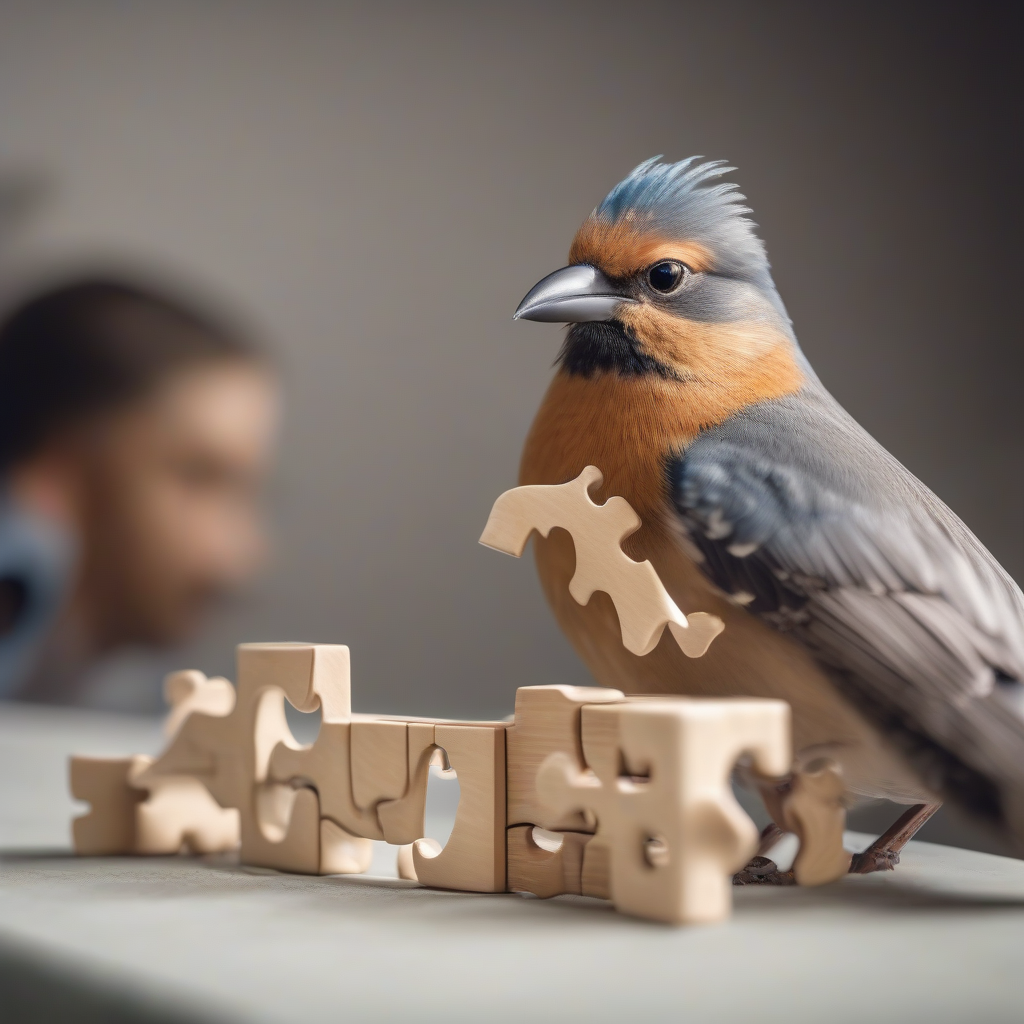
In this article, you will discover how to use the 'surprise expectation' mechanism in your bird's brain to boost their training motivation, the effects of dopamine release on learning, and 5 neurocognitive secrets to scientifically optimize reward schedules.

Did you know that cats are not just cute companions but surprisingly intelligent creatures that continuously develop their brains through play? In this article, you will discover how to uncover your cat's hidden perception map, how to increase their mental capacity with play-based learning, and 5 neurocognitive secrets to maximizing their potential. Here are the scientific ways to build a deeper bond with your feline friend and support their cognitive health!

In this article, you will discover how your cat reacts to the invisible microclimates in your home, how these thermal areas affect brain health, and the scientific secrets to ensuring optimal comfort for your feline friend.
Rabbits are our graceful and curious companions. Their world is filled with far more complex sensory and social dynamics than ours. There's an important fact that escapes many pet owners: the behavioral welfare of rabbits is not limited to just food and water; it is also closely related to how well they are protected from the invisible dangers in their environment. In this article, we will delve into the effects of 'environmental toxoplasmosis,' a potential threat in rabbit living spaces, and the scientific reflections of this danger on their 'hidden social codes.'
Toxoplasma gondii is a parasite that can cause infection in mammals. While known for its transmission through cat feces, the parasite's oocysts can contaminate soil, water, and even dust particles, posing a risk to rabbits as well. Rabbits, by nature, are burrowing creatures that explore their environment by scent. During these exploratory moments, they can become infected by inhaling parasite oocysts or by consuming contaminated grass/food they ingest from the ground.
This infection often runs subclinically in rabbits, meaning they may not show any obvious signs of illness. However, scientific research indicates that even subclinical infections can lead to subtle yet significant changes in rabbit behavior and social interactions.
While rabbits may not have a complex social hierarchy, they interact with each other and their environment within specific 'social codes.' These codes encompass many processes, including recognizing each other, perceiving danger, finding mates, and even determining their general welfare level. Environmental toxoplasmosis infection can lead to the unraveling of these hidden codes:
Scientific studies show that rabbits infected with toxoplasmosis may exhibit a more pronounced 'avoidance' behavior compared to their uninfected counterparts. This can manifest as avoiding social interactions, a tendency to hide more, and generally being more on edge. This situation, especially when combined with the stress factors mentioned in the article 'Your Dog's 'Hidden Space Stress': 5 Stealthy Dangers Causing Discomfort at Home and Scientific Solutions' (slug: kopek-gizli-alan-stresi-ev-huzursuzluk-bilimsel-cozumler), can negatively impact the rabbit's overall welfare.
Rabbits are intelligent and energetic creatures. As emphasized in the 'Mental Gym' article, cognitive stimulation plays a critical role in their development. However, toxoplasmosis infection can reduce a rabbit's desire to play and explore their surroundings. This can lead to them becoming more passive and a decrease in their intrinsic motivation.
The subtle social communication signals rabbits establish with each other can be disrupted by infection. For example, a posture that is normally calm and cooperative in one rabbit might become more tense or defensive due to infection. This can be compared to changes in social interactions in aquarium fish: [Your Fish's 'Invisible Social Networks': Scientific Secrets of Integrating New Species and Protocols to Ensure a Peaceful Aquarium Community!](slug: baliklarin-gorunmez-sosyal-ag-yeni-tur-entegrasyonu-bilimsel-sirlari-akvaryum-huzurlu-topluluk-protokoller)
Infected rabbits may have a lower stress threshold to environmental changes and unexpected noises. This can cause them to startle and become frightened more easily. The general stress management recommendations in articles like 'Your Rabbit's 'Hidden 'Stress Compass': Neurological Effects of Environmental Changes and 5 Scientific Strategies for a Calm Life' (slug: tavsan-gizli-stres-pusulasi-cevresel-degisiklikler-norolojik-etkiler-sakin-yasam-bilimsel-stratejiler) are also applicable in this specific situation, but understanding the root cause is important.
To protect against this invisible threat and maximize your rabbit's behavioral welfare, here are steps you can take:
Regularly cleaning your rabbit's living space is critical to prevent the accumulation of parasite oocysts. Collect droppings daily and ensure that the cleaning materials you use are safe.
Provide clean and fresh hay and vegetables from reliable sources. Be mindful of the possibility of contamination with cat feces in areas where you collect grass or greens. Habitat adjustments mentioned in the article 'Your Rabbit's 'Hidden Comfort Zones': 5 Scientifically Undisclosed Welfare-Boosting Secrets in Their Habitat!' (slug: tavsan-sakli-konfor-noktalari-yasam-alani-refah-artirici-sirlar), when combined with hygiene, help the rabbit feel secure.
If you notice any changes in your rabbit's behavior, consult a veterinarian immediately. Diagnosing subclinical infections can be challenging, but an experienced veterinarian can assess your rabbit's overall health and identify potential issues. The methods described in 'Your Rabbit's 'Fearless Vet Protocol': 5 Scientific Keys to Stress-Free Clinic Visits and Medication Administration Through Training!' (slug: tavsan-korkusuz-veteriner-protokolu-stressiz-klinik-ziyaretleri-ilac-uygulamalari) contribute positively to your rabbit's overall health by making veterinary visits less stressful.
To support behavioral welfare, enrich your rabbit's living space with stimulating toys and safe exploration areas. This helps them exhibit their natural behaviors and reduces the impact of potential stressors.
In conclusion, understanding the 'hidden social codes' of rabbits is vital for maintaining their behavioral welfare. By being aware of invisible threats like environmental toxoplasmosis and taking scientific preventive measures, we can ensure our companions lead happier, healthier, and more balanced lives.
