
In this article, you will find a comprehensive guide on how to optimize the home environment and care routines to enhance the quality of life for your aging pets, especially senior cats and dogs, in March 2026.


Discover the neurobiological signals of hidden stress your newly adopted cat experiences during adaptation to a new social environment. This article reveals 5 insidious signs of your cat's silent struggle and scientific strategies for peaceful, long-term harmony.

Your dog's anal sacs, located beneath the tail, can be hidden alarm bells often overlooked but profoundly affecting their quality of life. In this article, you will discover the 5 insidious neurobiological effects of anal sac problems on the brain and the lifesaving care secrets you need to know for your furry friend to live a peaceful life.
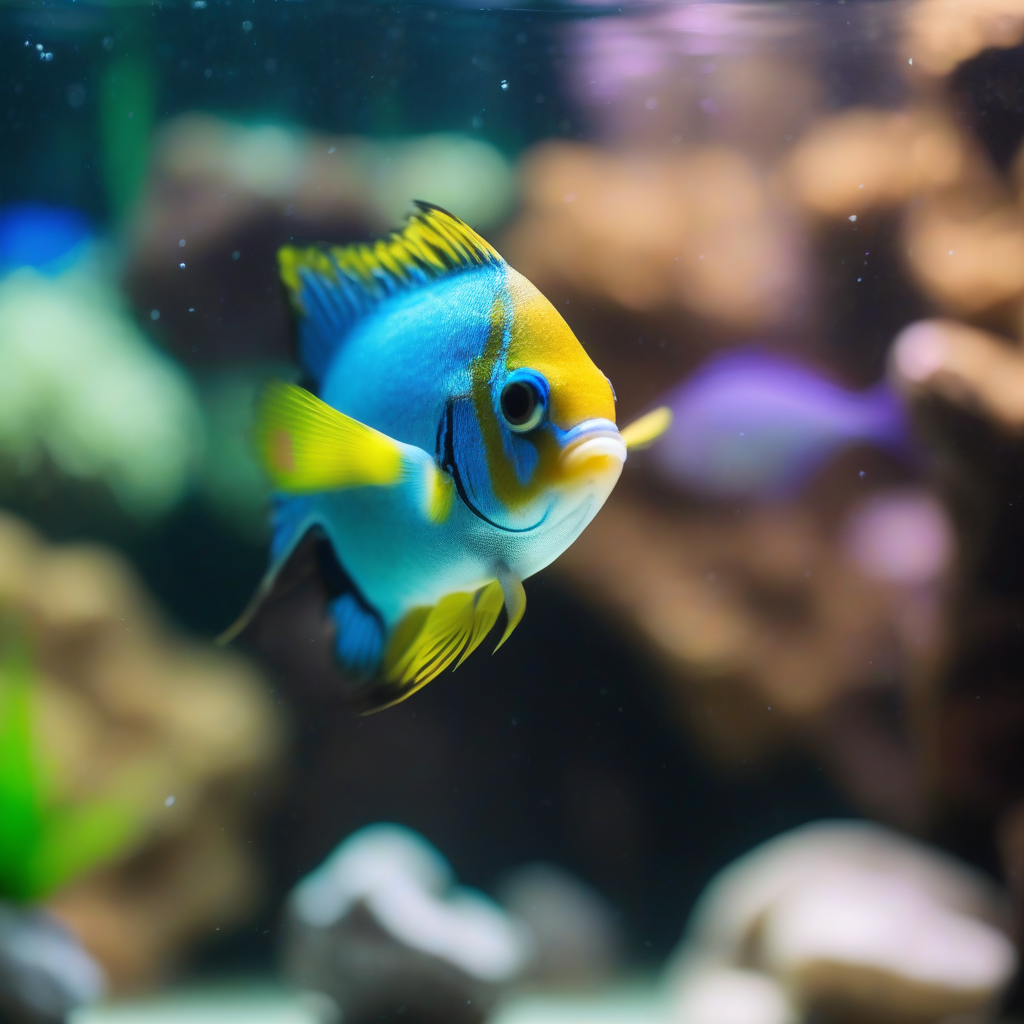
In this article, you will find comprehensive information on the insidious neurotoxic effects of heavy metal poisoning in aquarium fish, its symptoms, and lifesaving emergency intervention codes. This condition, which can arise from household water sources, improper equipment, or neglect, can severely threaten your fish's quality of life and lifespan.
Our pets are an indispensable part of our lives, and every moment we spend with them is precious. But as time flies by, our beloved companions age just like us. As of March 2026, maximizing the quality of life and comfort for our aging furry friends has become an increasingly important focus for pet owners. In this guide, we will detail how you can optimize the home environment and care routines for senior cats and dogs, and other pets, to ensure they spend their golden years happier, healthier, and pain-free. Our goal is to help them make the most of their senior years.
Early detection of signs that your pets are starting to age is the first step in providing appropriate care. While these signs vary by species and individual differences, they generally include:
If you notice any of these signs, consulting your veterinarian is crucial for early diagnosis and intervention.
You can make small but effective changes in your pets' living spaces to help them feel comfortable and safe at home as they age:
The nutritional needs of senior pets differ from those of younger animals.
Even with reduced physical abilities, it is crucial for our senior pets to remain mentally active and maintain social connections.
Regular veterinary check-ups for senior pets are indispensable for early detection of potential health issues and maintaining their quality of life.
In March 2026, the senior years of our pets can still be enjoyable and fulfilling when managed with love, patience, and care. Adapting their home environment and care routines to their changing needs is one of the most important ways to provide them with the comfort and quality of life they deserve. Remember that holistic health and integrated care approaches are critically important for their well-being at every age, including their senior years. Being by their side every step of the way is a privilege for us.
