
In this article, as of March 2026, you will find all the necessary information to protect your pets' urinary tract health and take precautions against potential risks during the spring months. Special tips for cats and dogs, nutritional recommendations, and the role of your veterinarian are detailed.

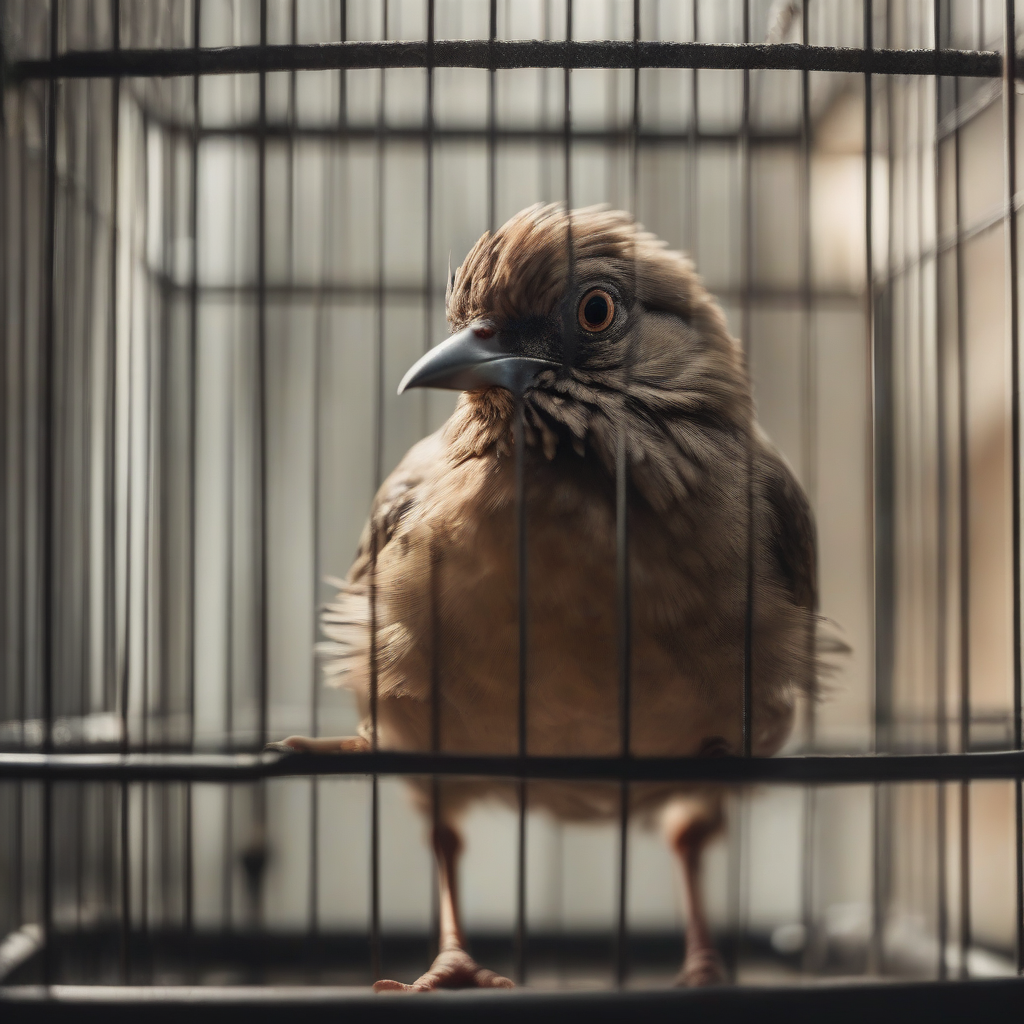
Aspergillosis, a common yet often overlooked fungal infection in birds, can deeply affect not only the respiratory system but also brain health. In this article, you will discover the 5 neurobiological effects of this insidious fungal infection on your bird's brain and lifesaving scientific solution strategies.
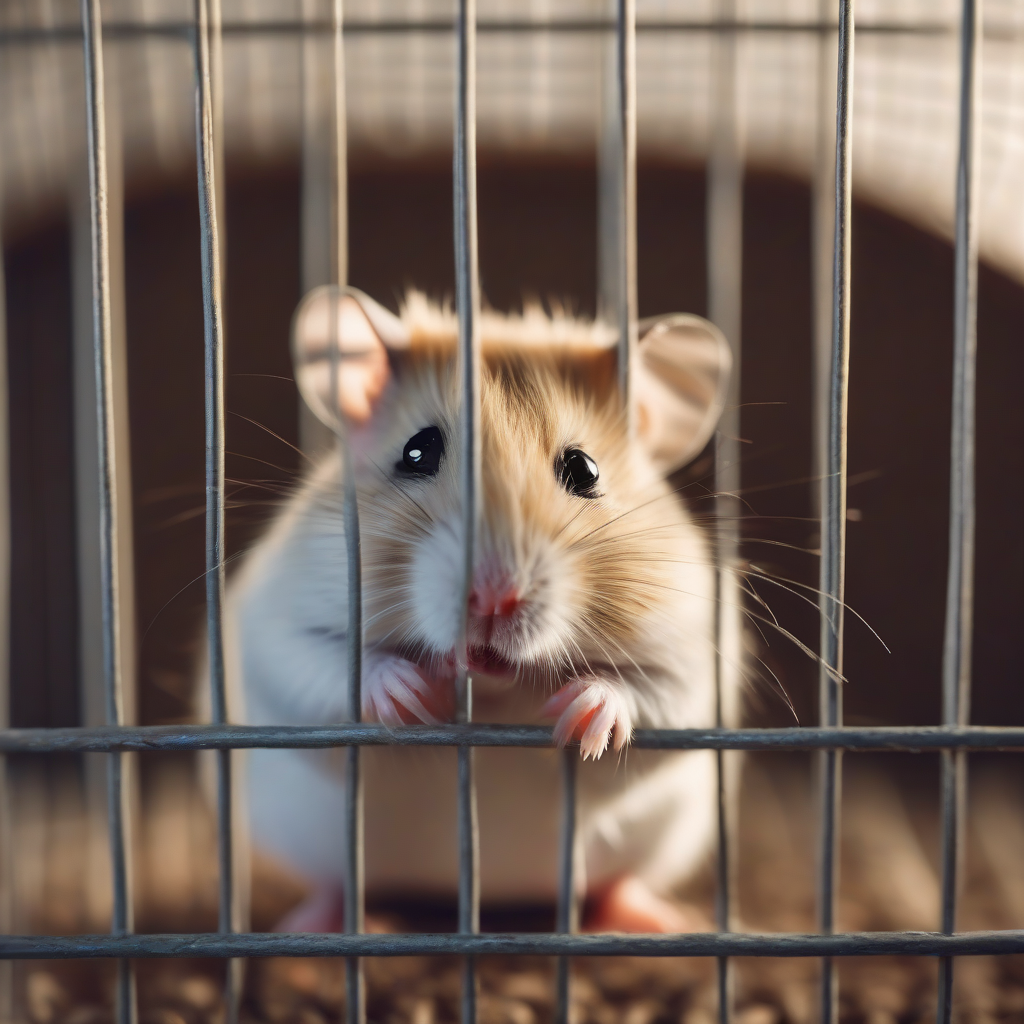
Are your hamster's reactions to routine changes just a whim? In this article, we scientifically examine 5 insidious neurocognitive effects that even the smallest deviations in daily routines can create in your tiny friend's brain, and discover adaptation strategies for a peaceful life.

A silent threat in your rabbit's mouth: overgrown molars. In this comprehensive guide, discover the 5 insidious neurobiological effects of this condition on your rabbit's brain and scientific strategies for improving their quality of life.
As of March 2026, nature's awakening signifies a period of renewal not just for us, but also for our beloved pets. The arrival of spring, with increased activity and changing environmental factors, can lead to some shifts in our pets' health. One of the crucial aspects to focus on during this time is urinary tract health. Conditions like urinary tract infections and urinary stones in cats and dogs can be both uncomfortable and lead to serious health issues if not addressed promptly.
Spring means more time spent outdoors. This can increase the risk of exposure to pathogens and lead to pets overlooking their adequate water intake. Insufficient water intake can increase urine concentration, raising the risk of urinary stone formation. Furthermore, environmental changes and stress can affect the immune system, increasing susceptibility to infections. This can be particularly pronounced in cats and dogs with sensitive constitutions.
Cats, due to their physiology, can be more prone to urinary tract issues. Especially in neutered male cats, conditions like cystitis (bladder inflammation) and blockages can require emergency intervention. In March, taking steps to increase your cat's water consumption is crucial. Wet food options, water fountains, or fresh water offered in various bowls can help your cat stay adequately hydrated. Concurrently, maintaining litter box hygiene and minimizing stress factors also supports urinary tract health. For more information on stress management, you can review our article 2026 Spring Feline and Canine Behavioral Adjustment and Mental Stimulation: Stress Management and Happiness Guide.
In dogs, urinary tract infections are more common and usually bacterial. The risk of exposure to infected environments while outdoors can increase. Regular veterinary check-ups for your dog, up-to-date vaccinations, and parasite protection will also support their overall health and, consequently, their urinary tract health. Our article Annual Veterinary Check-ups and Vaccination Schedule for Pets in 2026: A Comprehensive Guide for a Healthy and Happy Life will guide you on this matter. Urinary stones can also occur in dogs, and this condition is often closely linked to diet.
In March, some adjustments to our pets' diet can help support their urinary tract health. High-quality protein, grain-free, or low-grain foods can be preferred. Specially formulated foods that help regulate urine pH balance and reduce the risk of urinary stone formation can be used upon your veterinarian's recommendation. Balanced mineral intake is also important. For instance, excessive phosphorus and magnesium intake can trigger the formation of certain stone types.
To protect your pets' urinary tract health, recognizing symptoms and achieving early diagnosis is of utmost importance. Potential symptoms may include:
If you notice any of these symptoms, seeking immediate veterinary attention is crucial. Urinary blockage in cats can be life-threatening and requires emergency veterinary intervention. Our content Pet First Aid and Emergency Preparedness in Spring 2026: Lifesaving Information and Essential Supplies will guide you on what to do in emergency situations.
Your veterinarian will employ various diagnostic methods to assess your pet's urinary tract health. These may include urinalysis, blood tests, and imaging techniques such as ultrasound. Based on the diagnosis, a treatment plan will be developed. Antibiotics for infections, dietary management for stones, and sometimes surgical intervention may be necessary. Your veterinarian's guidance is critical for your pet's recovery and for preventing the recurrence of urinary tract problems. Especially since chronic kidney disease in cats is closely related to urinary tract health, early diagnosis and management are important. Our article Feline Chronic Kidney Disease 2026: Current Approaches to Early Diagnosis and Improving Quality of Life presents current information on this topic.
Let's reinforce the spirit of renewal and healing that March brings by focusing on our pets' urinary tract health. With the right nutrition, adequate hydration, regular exercise, and veterinary care, we can ensure they have a healthy and happy spring.
