
In this article, you will find comprehensive information about the current anti-aging science, nutrition trends, lifestyle management, and proactive veterinary approaches of March 2026 to help your pets live a long and healthy life.


Discover the neurobiological signals of hidden stress your newly adopted cat experiences during adaptation to a new social environment. This article reveals 5 insidious signs of your cat's silent struggle and scientific strategies for peaceful, long-term harmony.

Your dog's anal sacs, located beneath the tail, can be hidden alarm bells often overlooked but profoundly affecting their quality of life. In this article, you will discover the 5 insidious neurobiological effects of anal sac problems on the brain and the lifesaving care secrets you need to know for your furry friend to live a peaceful life.
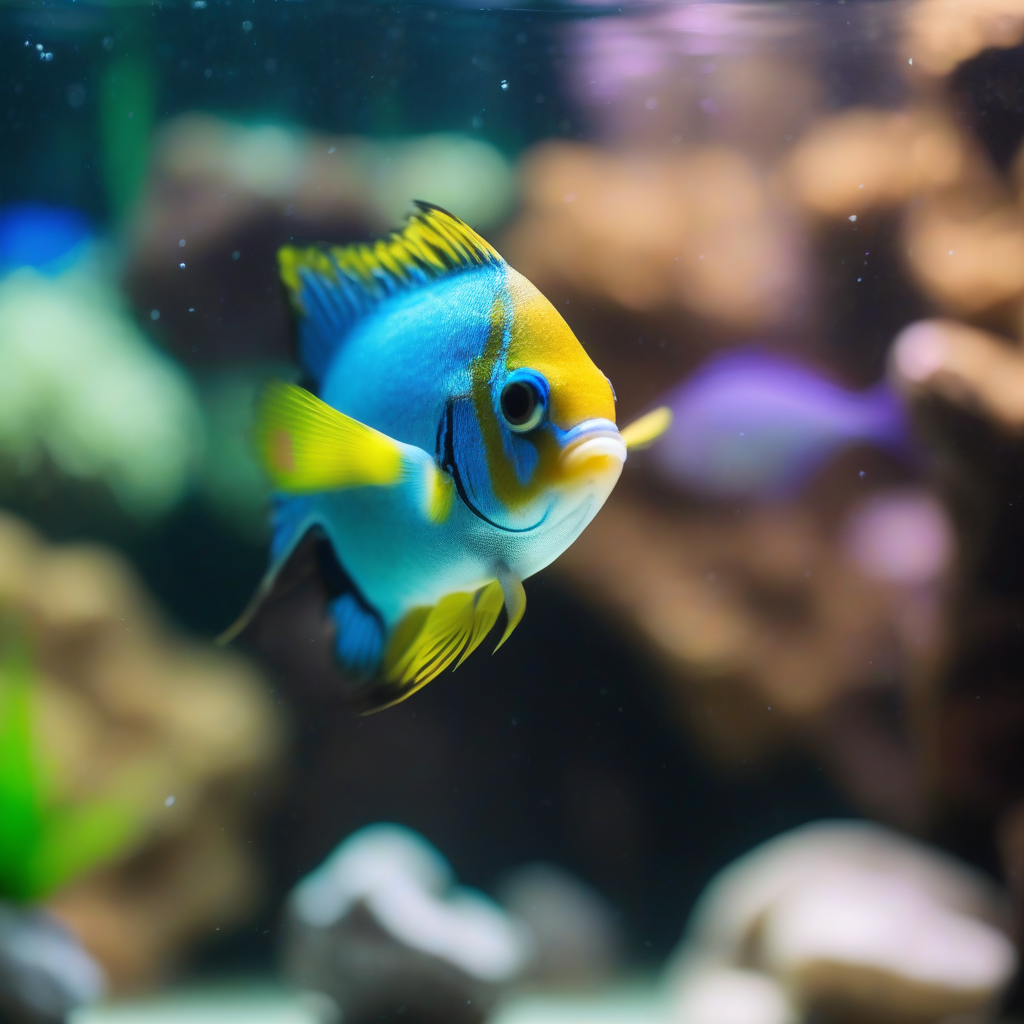
In this article, you will find comprehensive information on the insidious neurotoxic effects of heavy metal poisoning in aquarium fish, its symptoms, and lifesaving emergency intervention codes. This condition, which can arise from household water sources, improper equipment, or neglect, can severely threaten your fish's quality of life and lifespan.
Our beloved pets are cherished family members who bring immense joy into our lives. Every moment spent with them is invaluable. Therefore, our greatest desire is for them to live not only long but also healthy and high-quality lives. As of March 2026, veterinary science has made significant strides in understanding and slowing down the aging process in pets. The concept of 'anti-aging' is no longer solely a human fascination but has become a groundbreaking field in pet health.
In this guide, you will discover the most current and scientifically based anti-aging strategies you can implement to enhance your pets' quality of life and extend their healthspan. Our goal is to ensure they remain active, happy, and healthy at every stage of their lives.
Aging is a complex process resulting from cells in the body being damaged over time, their regenerative capacities decreasing, and changes in genetic coding. The situation is no different for pets. Factors such as free radical damage, cellular inflammation, telomere shortening, and mitochondrial dysfunction are key triggers of aging. Anti-aging science aims to slow down these processes or reduce their effects, thereby extending not only the animals' lifespan but also their healthy, active lifespan (healthspan). As of March 2026, research in this area has accelerated, and the potential effects of genetic, nutritional, and lifestyle interventions on aging are becoming clearer.
One of the most critical factors for your pets to live a long and healthy life is proper nutrition. In anti-aging strategies, nutrition can slow down the signs of aging by providing cellular protection.
Every pet has a unique genetic makeup, breed, age, lifestyle, and health status. Therefore, rather than a generic nutrition plan, genetic test-supported personalized nutrition approaches, tailored to individual needs, are becoming increasingly popular. Specially formulated diets are enriched with components such as antioxidants (vitamins C and E, selenium), omega-3 fatty acids (EPA and DHA), probiotics, and prebiotics to support cellular health and reduce inflammation.
Scientific studies indicate that a certain level of caloric restriction (without overdoing it) can extend lifespan. This is directly related to preventing obesity and maintaining an ideal weight. Additionally, supplements like glucosamine and chondroitin for joint support, MCT oils and coenzyme Q10 for cognitive function, can also be beneficial in the aging process. With your veterinarian's recommendation, probiotic support for gut microbiome health may also be considered.
Physical and mental activity are as crucial as nutrition in slowing down your pets' aging process. Regular and appropriate exercise helps maintain muscle mass, increase joint flexibility, and support cardiovascular health. Especially for our older companions, physical rehabilitation and advanced therapy methods can significantly improve their quality of life.
Our pets' brain health is another area that needs attention during the aging process. Activities such as puzzle toys, regular training sessions, and learning new commands support cognitive functions. Stress management is also vital for feline and canine behavioral adjustment and mental stimulation. Chronic stress can trigger inflammatory processes that accelerate aging. A calm home environment, routines, and, if necessary, behavioral support recommended by your veterinarian can help reduce stress.
The foundation of longevity and anti-aging strategies lies in preventing diseases before they emerge or detecting them at an early stage. Technological advancements in March 2026 offer significant advantages in this regard.
Regular veterinary check-ups, comprehensive blood tests, urine analyses, and imaging tests (X-rays, ultrasounds) are advanced diagnostics and early disease detection methods crucial for catching early signs of age-related diseases (kidney failure, heart disease, diabetes, cancer). This allows for earlier treatment initiation and slows down disease progression.
Smart tracking devices and digital health applications can help detect early signs of potential health issues by monitoring your pets' activity levels, sleep patterns, heart rates, and even temperatures. With smart tracking devices and digital health apps, you can also become aware of a health change and consult your veterinarian in a timely manner.
Veterinary anti-aging science is a constantly evolving field. As of March 2026, research into innovative approaches such as senolytics (drugs that eliminate senescent cells), gene therapies, stem cell treatments, and NAD+ supplements continues at a rapid pace. These potential therapies hold great promise for further extending the healthy lifespans of our pets in the future. However, these technologies are not yet widely available, and it is best to proceed under the guidance of your veterinarian.
A long and healthy life for your pets requires a multidisciplinary approach. The anti-aging science and innovative approaches available in March 2026 yield the best results when combined with proper nutrition, an active lifestyle, mental stimulation, and regular proactive veterinary care. Remember that every pet is unique, and you should always maintain close communication with your veterinarian to determine the most suitable plan for their specific needs. Gift them a long and healthy life filled with love and science!
