
A comprehensive guide to potential health risks for our pets with the arrival of spring in March 2026 and how to prevent them.


Discover the neurobiological signals of hidden stress your newly adopted cat experiences during adaptation to a new social environment. This article reveals 5 insidious signs of your cat's silent struggle and scientific strategies for peaceful, long-term harmony.

Your dog's anal sacs, located beneath the tail, can be hidden alarm bells often overlooked but profoundly affecting their quality of life. In this article, you will discover the 5 insidious neurobiological effects of anal sac problems on the brain and the lifesaving care secrets you need to know for your furry friend to live a peaceful life.
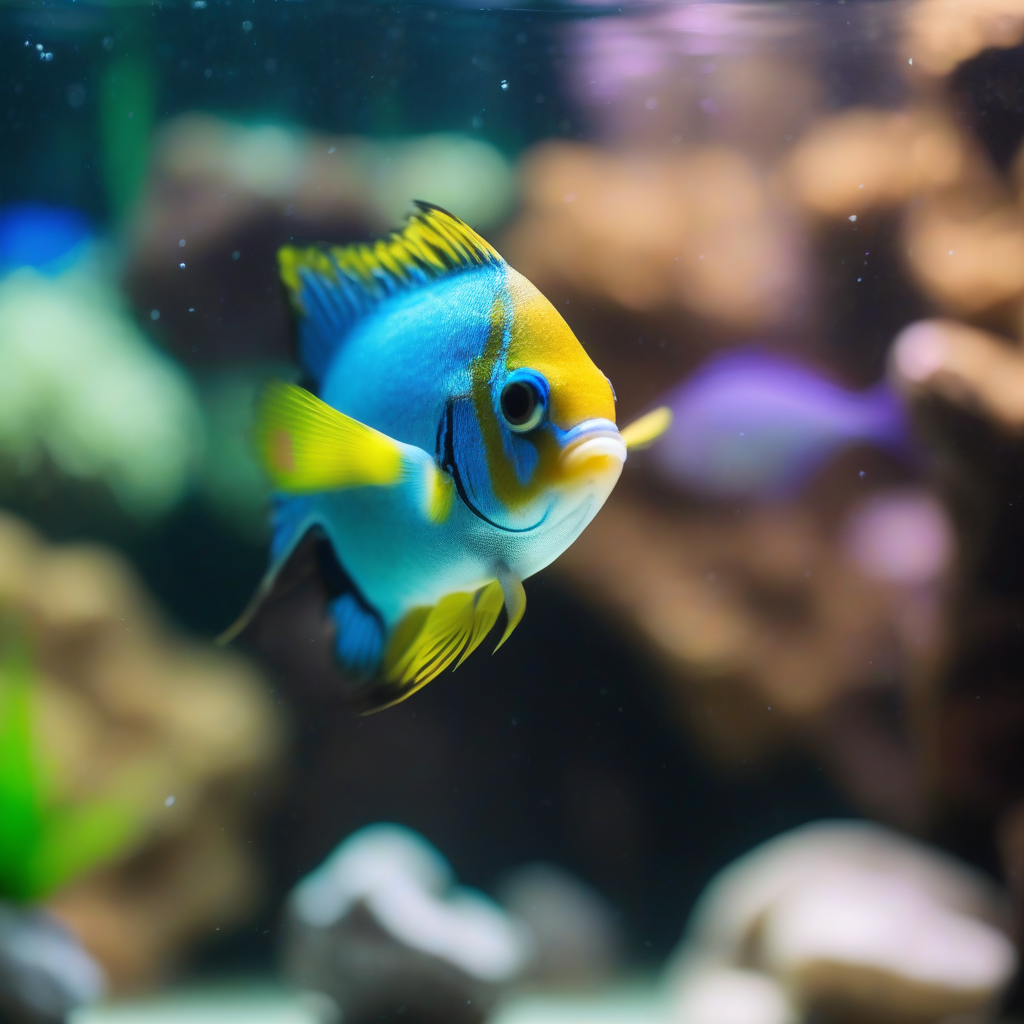
In this article, you will find comprehensive information on the insidious neurotoxic effects of heavy metal poisoning in aquarium fish, its symptoms, and lifesaving emergency intervention codes. This condition, which can arise from household water sources, improper equipment, or neglect, can severely threaten your fish's quality of life and lifespan.
As nature awakens in March 2026, a new season begins for our beloved pets. While the energy and vibrancy of spring are delightful for all of us, it can also bring about situations that require special attention for our furry, feathered, or finned companions. We will delve step-by-step into the potential health risks that may arise during this period and the precautions you can take.
March is a particularly sensitive time for pets. Fluctuations in temperature, increased allergens, and changes in the outdoor ecosystem can directly impact their health.
Each pet species has unique health needs and risks during the spring months:
While enjoying the beauty of spring with our pets, the proactive steps we can take to protect their health include:
A veterinary visit at the beginning of spring can help in the early diagnosis of potential health problems. It is important to consult your veterinarian for updating necessary vaccinations against seasonal risks and for parasite control.
Continue with the flea, tick, and heartworm preventive treatments recommended by your veterinarian. This is vital, especially for pets that spend more time outdoors.
With the energy of spring, our pets are expected to be more active. You can optimize your pet's energy levels with Pet Energy and Vitality in Spring 2026: A Guide to Adapting to Seasonal Changes. Additionally, review methods for managing stress and anxiety. Spring 2026: A Guide to Managing Stress and Enhancing Mental Vitality in Our Pets will be helpful.
As we enjoy spring with our pets in March 2026, being aware of potential health risks and taking necessary precautions is the best way to ensure they live happy and healthy lives. Remember, consulting your veterinarian at the slightest doubt is always the best course of action.
