
In this article, you will find the latest care secrets for your pets' coat and skin health in March 2026, with ways to achieve radiant fur and healthy skin.


Discover the neurobiological signals of hidden stress your newly adopted cat experiences during adaptation to a new social environment. This article reveals 5 insidious signs of your cat's silent struggle and scientific strategies for peaceful, long-term harmony.

Your dog's anal sacs, located beneath the tail, can be hidden alarm bells often overlooked but profoundly affecting their quality of life. In this article, you will discover the 5 insidious neurobiological effects of anal sac problems on the brain and the lifesaving care secrets you need to know for your furry friend to live a peaceful life.
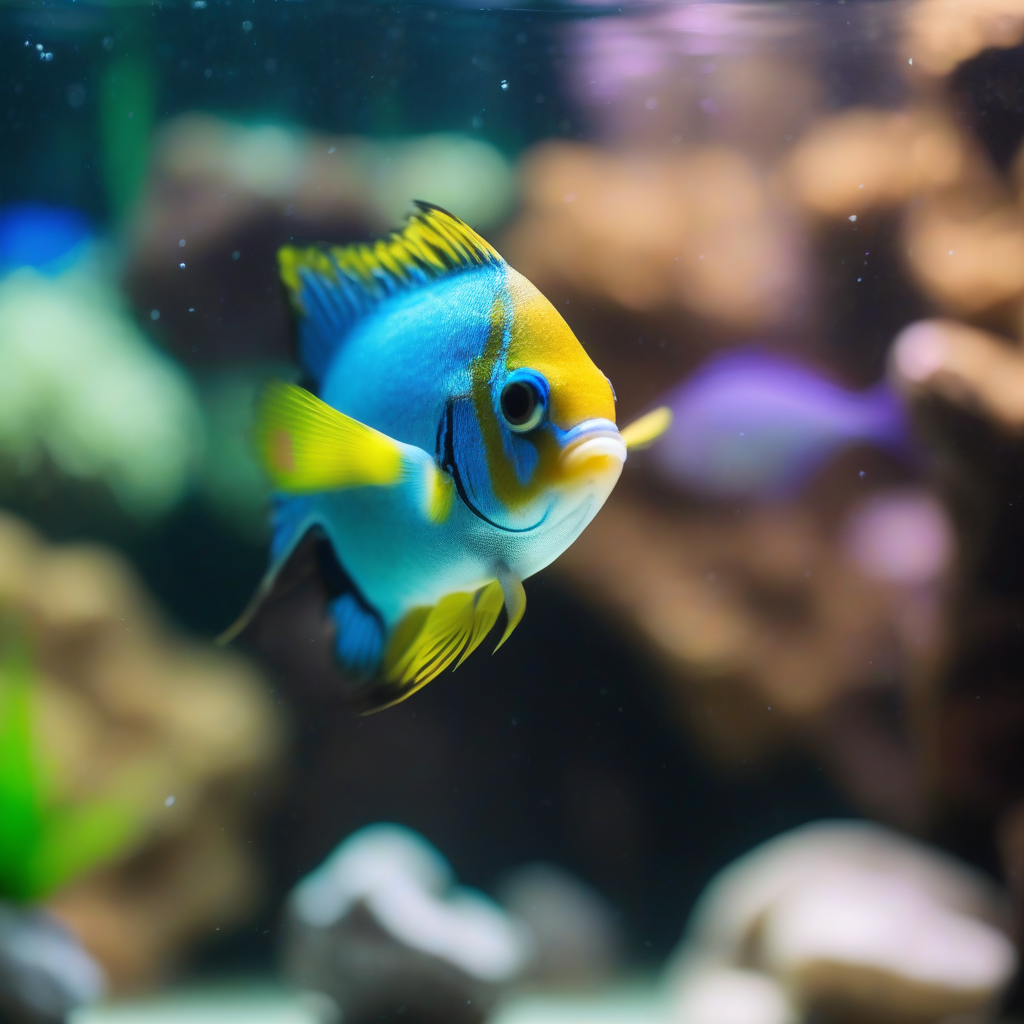
In this article, you will find comprehensive information on the insidious neurotoxic effects of heavy metal poisoning in aquarium fish, its symptoms, and lifesaving emergency intervention codes. This condition, which can arise from household water sources, improper equipment, or neglect, can severely threaten your fish's quality of life and lifespan.
As of March 2026, exploring the health secrets behind our pets' appearance is more important than ever. Seasonal changes, especially with the arrival of spring, directly impact both our companions' overall health and their external appearance. Radiant fur and healthy, smooth skin are not just aesthetic choices but also indicators of overall health status.
Spring months, with nature's awakening, also bring a period of revitalization for our pets. However, this vitality can also bring some potential challenges. Increased pollen levels, changing humidity rates, and longer days can affect their sensitive skin and fur. Implementing the right care routines during this period is critical for preventing allergies, addressing dry or oily skin issues, and managing shedding.
The latest advancements in veterinary medicine are also transforming approaches to pet skin and coat health. Here are some of the prominent trends in 2026:
1. Seasonal Allergies:
The increase in pollen, mold, and other environmental allergens with spring can lead to itching, redness, excessive shedding, and even skin infections in our pets. Your veterinarian can diagnose the cause of these allergies and recommend appropriate antihistamines, corticosteroids, or immunotherapy options. At home, regular cleaning of their living spaces and gently wiping your pet after they come indoors can also be beneficial.
2. Dry and Flaky Skin:
Low humidity levels or inadequate hydration can cause the skin to become dry and flaky. Sufficient water intake, moisturizing bath products, and supplements containing omega fatty acids help resolve this issue. You can find more information in our article titled Optimal Hydration for Your Pets: The Secret Energy Source and Key to Organ Health in Spring (2026).
3. Excessive Shedding (Seasonal Molting):
This is a common occurrence, especially in spring, as the body sheds its thick winter coat for a lighter summer coat. Regular brushing not only helps remove dead hair but also distributes natural skin oils through the coat, adding shine. Specialized de-shedding brushes and combs can facilitate this process.
4. Oily Skin and Coat Problems:
In some animals, spring hormonal changes can lead to increased oil production. This can result in unpleasant odors and a predisposition to skin infections. For oily skin, veterinarian-recommended shampoos specifically formulated to regulate sebum balance should be used.
1. Regular Grooming: Brush at least 2-3 times a week with brushes and combs appropriate for your pet's breed and coat type. This not only reduces shedding but also allows the skin to aerate and increases blood circulation.
2. Correct Bathing Frequency and Products: Bathing your pet too often can disrupt the skin's natural oil balance. Use hypoallergenic and moisturizing shampoos specifically for pets, generally once or twice a month, or as recommended by your veterinarian.
3. Nutritional Balance: A diet rich in high-quality protein, healthy fats (omega-3, omega-6), vitamins, and minerals supports fur and skin health from within. Choose the most suitable food for your pet's age, breed, and health status in consultation with your veterinarian.
4. Additional Supports: With your veterinarian's recommendation:
5. Environmental Factors: Using humidifiers to balance indoor humidity, regular cleaning to reduce allergens, and preventing your pet from excessive sun exposure are also important.
Technological advancements in pet health continue to shape the field of coat and skin care. AI-powered diagnostic systems can revolutionize the early detection of coat and skin problems. Furthermore, identifying predispositions to certain skin conditions through genetic testing and taking preventive measures accordingly is becoming possible. March 2026: Predictive Health Analytics in Pets – Catching Diseases Before Symptoms with AI and Lifelong Health Strategies highlights the potential in this area.
Ensuring our pets are not only energetic and healthy but also have well-groomed and radiant coats enhances their overall quality of life. In March 2026, you can maximize your pet's skin and coat health with these innovative approaches.
