
In this article, you will discover the insidious neuroinflammatory effects caused by the imbalance of omega-3 and omega-6 fatty acids in your dog's brain, and scientific nutritional strategies to prevent cognitive decline.

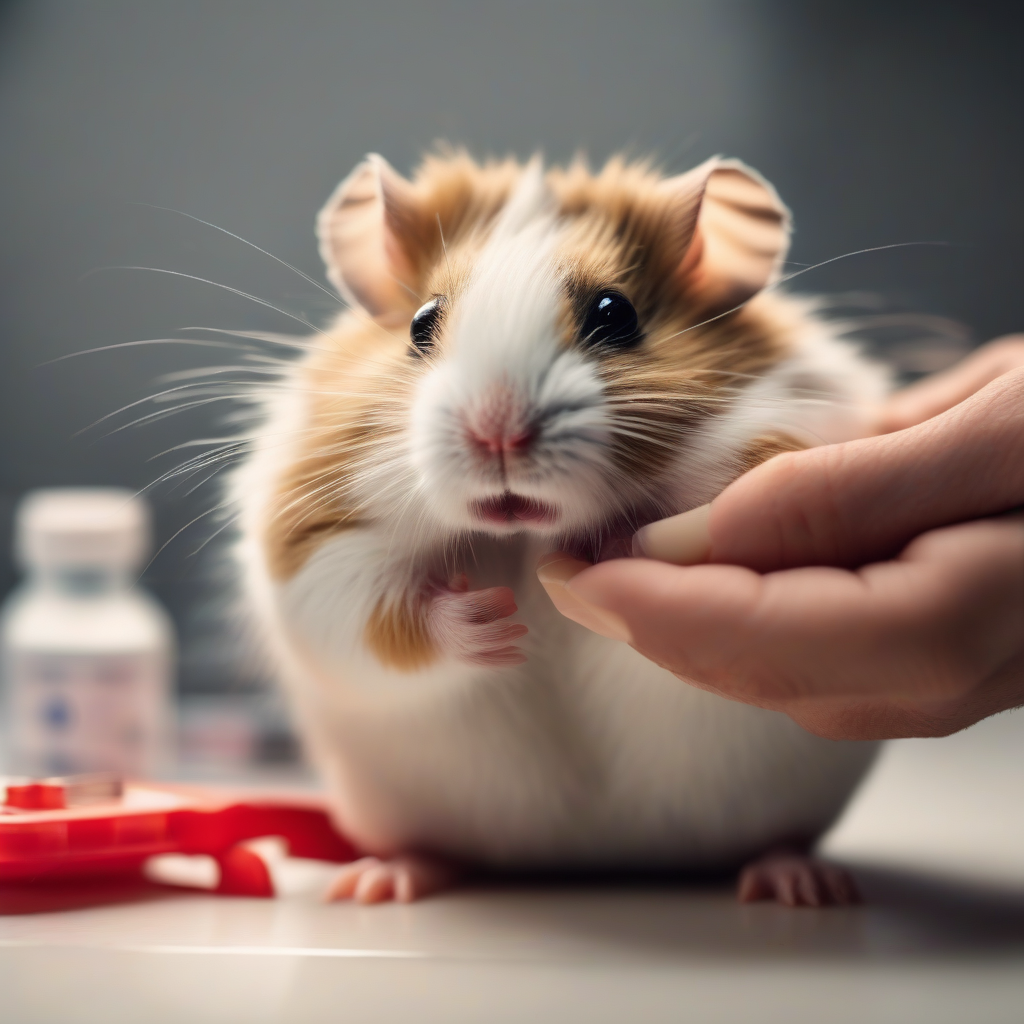
Acute respiratory obstruction, or choking, in your hamster is one of the most urgent, life-threatening emergencies. In this article, we will delve into the 5 insidious neurophysiological effects of choking on your hamster's brain and the lifesaving emergency intervention codes you can apply in this critical situation. Swift and correct action can save your tiny friend's life.

In this article, we scientifically examine the 'shadow of the past' carried in the brains of rehomed birds, exploring the neurocognitive effects of old home connections and secrets to building lasting trust in their new homes.

Adequate water intake is fundamental for your cat's overall health and especially brain function. This article deeply explores the insidious neurobiological effects of chronic dehydration on your cat's brain and offers lifesaving scientific hydration strategies.
Our beloved companions' health is paramount. But did you know that even the most well-intentioned foods can inadvertently trigger a subtle war deep within their brains? Your dog's diet affects not only their physical well-being but also their cognitive sharpness and mental vitality. Specifically, an imbalance between fatty acids can lead to an unnoticed storm of inflammation in the brain, potentially resulting in what we might call 'cognitive decline'—a serious long-term intellectual deterioration. In this article, we will delve into this hidden war between omega-3 and omega-6 fatty acids, how the brain is affected, and what scientific strategies you should implement to protect your furry friend's mental health.
Omega-3 (Alpha-linolenic acid - ALA, Eicosapentaenoic acid - EPA, Docosahexaenoic acid - DHA) and omega-6 (Linoleic acid - LA, Arachidonic acid - AA) fatty acids are essential for canine health. Since the body cannot produce these fatty acids on its own, they must be obtained through diet. Both are fundamental building blocks for cell membrane structure, hormone production, and immune functions. However, the crucial point is that these two types of fatty acids need to be in balance. Omega-6 fatty acids are generally associated with pro-inflammatory pathways, while omega-3 fatty acids are known for their anti-inflammatory properties. In modern commercial dog foods, especially those with grain-based and processed ingredients, it is common to find much higher levels of omega-6 fatty acids compared to omega-3. This imbalance sets the stage for chronic, low-grade inflammation throughout the body, a condition that can be particularly devastating for the brain.
In our article Your Dog's Food Bowl's 'Secret Chemical Whispers': 5 Insidious Neurobiological Effects of Processed Foods on the Brain and Healthy Choice Secrets!, we touched upon the general effects of processed foods, but fatty acid balance holds a special significance.
The imbalance between omega-3 and omega-6 fatty acids leads to neuroinflammation in the brain through various insidious mechanisms. These processes gradually erode your dog's cognitive functions and increase the risk of cognitive decline:
Microglia, the immune cells of the brain, normally protect brain health. However, an omega-6 heavy diet can over-activate these cells, leading to a continuous state of inflammation. This activation results in the release of reactive oxygen species (ROS) and pro-inflammatory cytokines, creating an oxidative stress explosion that damages neurons. Chronic oxidative stress is a primary cause of neuronal damage and cell death.
The blood-brain barrier (BBB) is a delicate filter that protects the brain from harmful substances. Chronic inflammation stemming from an omega-6/omega-3 imbalance can increase the permeability of the BBB. This allows toxins, pathogens, and inflammatory molecules to leak into the brain, further exacerbating neuroinflammation. This signifies a weakening of a vital defense mechanism for brain health. Similarly, in the article Your Dog's Brain's 'Hidden Toxin Dance': 5 Insidious Neurometabolic Effects of Kidney Failure and Lifesaving Scientific Strategies!, we discussed the destructive effects of toxins on the brain.
Fatty acids are critical for the production and release of neurotransmitters, which facilitate communication between neurons. DHA, in particular, influences the fluidity of neuronal membranes, supporting the proper functioning of neurotransmitters like serotonin, dopamine, and acetylcholine. Omega-3 deficiency or imbalance can disrupt the functions of these crucial neurotransmitters, leading to adverse effects on learning, memory, mood, and motivation.
Chronic neuroinflammation and oxidative stress accelerate apoptosis, the programmed cell death of neurons. This process can hasten brain aging, leading to irreversible losses in cognitive functions. This accelerated neuronal death is one of the underlying causes of cognitive dysfunction observed especially in older dogs. Fatty acid imbalance is a significant factor triggering this process.
All the mechanisms mentioned above can cause or exacerbate symptoms of cognitive decline in your dog. These symptoms include disorientation, reduced interaction, changes in sleep-wake cycles, decreased ability to learn, and forgetting previously learned commands. Our article Your Dog's 'Mental Labyrinth': 5 Insidious Neurodegenerative Effects of Alzheimer-Like Cognitive Dysfunction and Scientific Solutions to Enhance Quality of Life! provides more detailed information on this topic. Omega fatty acid balance plays a critical role in both the prevention and management of this condition.
It is possible to take proactive steps to halt this 'secret war' in your dog's brain and optimize their mental health:
Adding high-quality omega-3 sources to the diet is the most effective way to reduce inflammation and support brain health. Fish oil (rich in EPA and DHA), krill oil, or algae-based DHA supplements are reliable options. Consult your veterinarian to determine the appropriate dosage for your dog's age, weight, and health status.
Carefully examine the ingredients of commercial pet foods. Avoid or minimize ingredients high in omega-6, such as corn, soy, and sunflower oil. Opt for foods with a more balanced fatty acid profile. In our article Your Dog's Brain's 'Hidden Grain-Free Diet Trap': 5 Insidious Neurobiological Effects Beyond Heart Health and Scientific Secrets for Mental Vitality!, you can also see the effects of dietary choices on overall brain health.
Veterinary nutritionists typically recommend an omega-6:omega-3 ratio between 5:1 and 10:1. However, to support cognitive functions or reduce inflammation, this ratio can be lowered to 2:1 or even 1:1. Strive to achieve this balance by carefully reviewing the fatty acid analyses on food labels or by seeking assistance from your veterinarian.
Incorporate antioxidants such as vitamins C and E, and selenium into their diet to combat oxidative stress. While many commercial foods contain these ingredients, additional supplements or antioxidant-rich fruits and vegetables (with veterinary approval) can be beneficial.
Regularly review your dog's diet plan and supplements with your veterinarian. Fatty acid levels and general inflammatory markers can be monitored through blood tests or other diagnostic methods, helping you assess the effectiveness of your nutritional strategies.
The 'secret war' caused by fatty acid imbalance in your dog's brain triggers insidious neuroinflammatory processes that affect many cognitive functions, from memory to mood. However, with the right nutritional strategies, it is possible to turn this war in your favor. By providing high-quality omega-3 supplements and a balanced diet, you can protect your companion's brain, reduce the risk of cognitive decline, and offer them a longer, happier, and sharper life. Remember, a healthy brain is the foundation of a happy dog. Always consult your veterinarian to create the most appropriate nutrition plan for your dog.
