In this article, you will discover the lesser-known neurophysiological effects of your hamster's exercise wheel choice, the hidden health problems an incorrect wheel can cause, and scientific selection strategies to ensure optimal welfare.


Discover the types of burns your dog can suffer, the 5 insidious neurophysiological effects these burns create in the brain and body, and lifesaving emergency intervention strategies in this comprehensive guide. We shed light on the dangers behind forgotten household accidents from a scientific perspective.

Discover the neurobiological signals of hidden stress your newly adopted cat experiences during adaptation to a new social environment. This article reveals 5 insidious signs of your cat's silent struggle and scientific strategies for peaceful, long-term harmony.

Your dog's anal sacs, located beneath the tail, can be hidden alarm bells often overlooked but profoundly affecting their quality of life. In this article, you will discover the 5 insidious neurobiological effects of anal sac problems on the brain and the lifesaving care secrets you need to know for your furry friend to live a peaceful life.
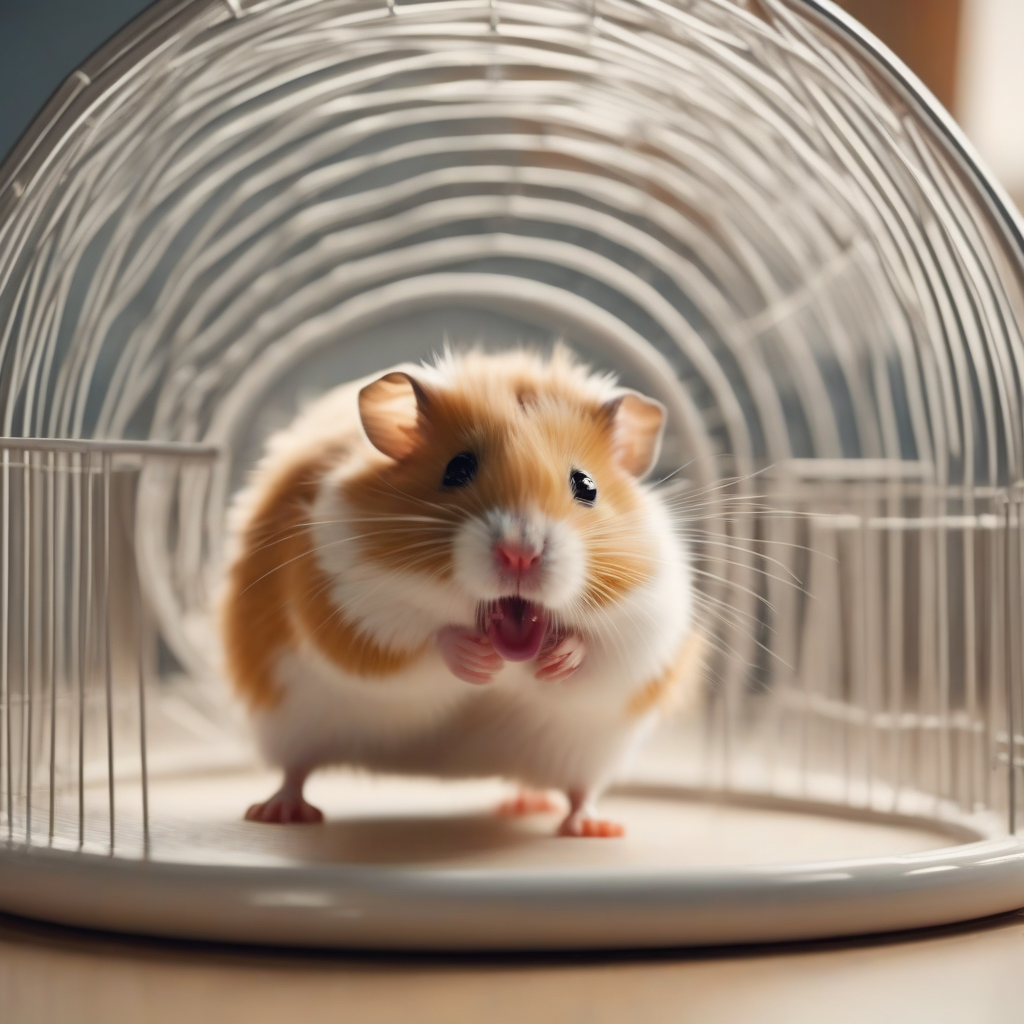
We all know the energetic nature of hamsters, especially their incredible perseverance when running on their wheel at night. However, this seemingly simple activity actually has deep and complex effects on your hamster's neurophysiological health. An incorrectly chosen exercise wheel can be an insidious threat, leading to hidden but serious health problems. As your veterinary content strategist, I will share with you the 5 critical neurophysiological secrets of exercise wheel selection and scientific strategies to ensure the optimal welfare of your beloved pet in this article.
Hamsters should maintain a natural spinal posture while running on their wheel. An incorrectly sized (usually too small) exercise wheel causes the animal's back to arch excessively. This creates abnormal pressure on the intervertebral discs in the spine, which can lead to chronic pain, spinal deformities, and even nerve compression over time. From a neurophysiological perspective, spinal health is directly related to proprioceptive perception. Proprioception is the ability to sense the body's position and movement in space. Chronic stress on the spine can affect the proprioceptors in nerve endings, impairing the hamster's balance, coordination, and overall locomotor ability. This can set the stage for falls and more serious injuries.
Wire mesh or grated exercise wheels pose serious dangers to hamsters' feet. The gaps in such wheels can cause feet to get caught, nail breaks, and particularly 'bumblefoot' (plantar pododermatitis), an infection of the footpads. Bumblefoot is characterized by inflammation, pain, and infection, and in severe cases, can lead to nerve damage. Chronic foot pain constantly stimulates the hamster's brain pain centers, increasing stress levels and potentially triggering anxiety disorders such as Your Hamster's Hidden Anxiety Mechanisms: 5 Neurobiological Traps Triggering Stress and Scientific Calming Secrets!.
Hamsters are nocturnal animals and require a robust circadian rhythm. A squeaky or vibrating noisy exercise wheel disrupts not only your sleep but also your hamster's rest cycles. Constant noise leads to the release of stress hormones, increasing cortisol levels and affecting melatonin production. This neurochemical imbalance impacts the hamster's REM (Rapid Eye Movement) sleep, preventing adequate neurological rest. In the long term, this weakens the immune system and negatively affects cognitive functions.
An appropriate exercise wheel is a powerful reinforcer and source of motivation for hamsters. Running triggers the release of dopamine in the brain's reward system, creating a feeling of pleasure and satisfaction. An inadequate or uncomfortable wheel (e.g., too small, wobbly, or not turning smoothly) disrupts this reward mechanism. Instead of enjoying running, the animal may experience frustration or fear. This can lead to a decrease in dopamine levels, causing apathy, reduced activity, and a disengagement from mental development opportunities. An optimal wheel indirectly contributes to the happiness components mentioned in Your Hamster's 'Hidden Happiness Components': 5 Insidious Nutritional Secrets Shaping Brain Chemistry and Scientific Nutrition for Optimal Emotional Well-being!.
The exercise wheel is not just for physical exercise but also an essential part of a hamster's environmental enrichment needs. Adequate enrichment helps strengthen neuronal connections in the brain's cortex and increases cognitive flexibility. A monotonous, uninteresting, or physically unsuitable wheel can lead to a lack of mental stimulation. This can reduce cortical activity, negatively affecting learning ability, memory, and overall mental well-being. As emphasized in the article Hamster Cage's Secret 'Architectural Genius': 5 Neurobiological Traps for Zero Stress and Scientific Design Codes!, every element of cage design is vital for a hamster's brain health.
Your hamster's exercise wheel is far more than a simple toy; it is a fundamental component of its physical and neurobiological health. Choosing the right wheel has a positive impact on many areas, from spinal health to mood, circadian rhythms to cognitive development. In light of these scientific secrets, by providing your hamster with a suitable, safe, and comfortable exercise wheel, you ensure it lives a longer, healthier, and happier life. Remember, the well-being of our small companions begins with the attention we pay to the finest details.
