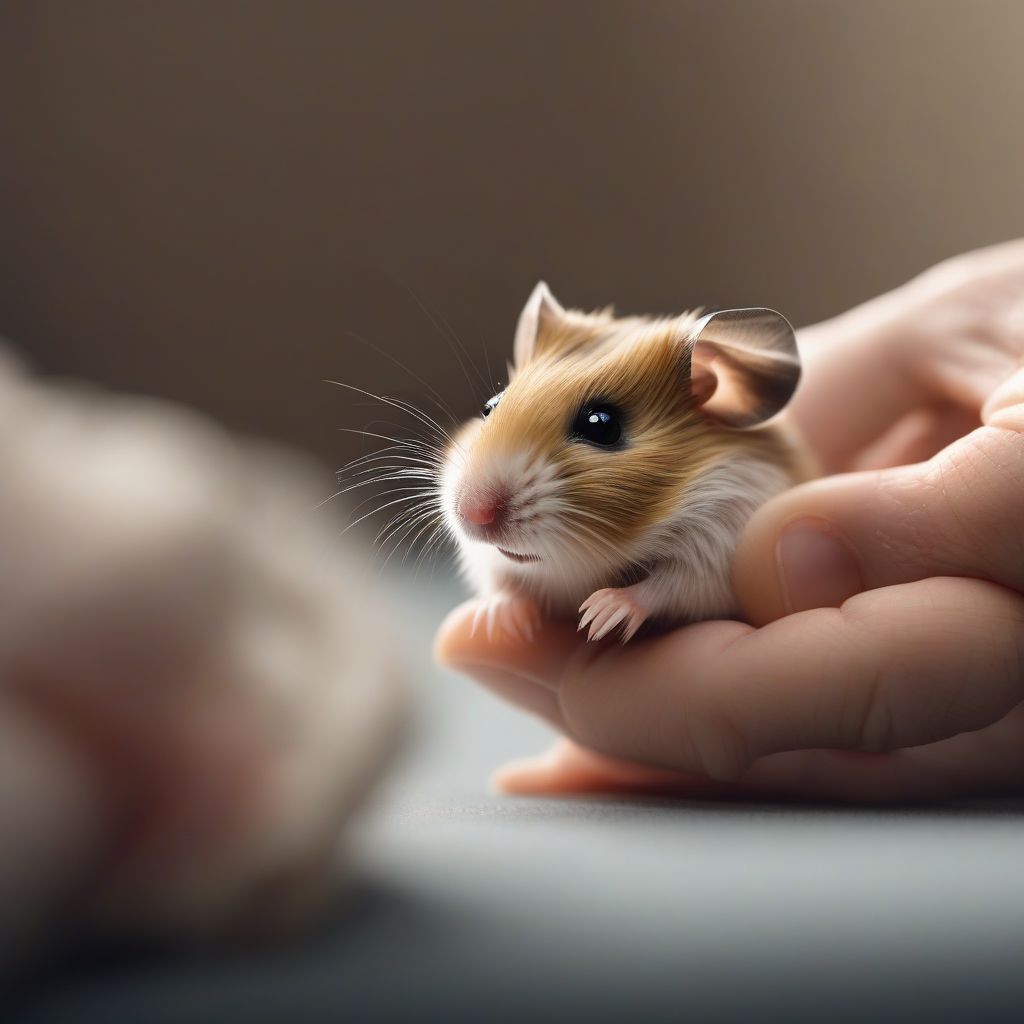
A fall from a height or an impact within the cage, even without visible external wounds, can lead to severe brain trauma in your hamster. In this article, you will discover 5 insidious neurological signs of this 'invisible' trauma and lifesaving scientific emergency intervention protocols. Don't miss the critical information you need to protect your tiny friend's quality of life!


Discover the types of burns your dog can suffer, the 5 insidious neurophysiological effects these burns create in the brain and body, and lifesaving emergency intervention strategies in this comprehensive guide. We shed light on the dangers behind forgotten household accidents from a scientific perspective.

Discover the neurobiological signals of hidden stress your newly adopted cat experiences during adaptation to a new social environment. This article reveals 5 insidious signs of your cat's silent struggle and scientific strategies for peaceful, long-term harmony.

Your dog's anal sacs, located beneath the tail, can be hidden alarm bells often overlooked but profoundly affecting their quality of life. In this article, you will discover the 5 insidious neurobiological effects of anal sac problems on the brain and the lifesaving care secrets you need to know for your furry friend to live a peaceful life.
Our tiny friends, hamsters, are highly vulnerable to traumatic events like falls or impacts with hard surfaces due to their size and delicate structure. Even if there are no visible external wounds, such accidents can lead to severe internal injuries, especially brain trauma. Brain trauma can deeply affect your hamster's neurological system, diminishing its quality of life and even posing a life-threatening risk. In this article, we will delve into 5 insidious neurological signs of 'invisible' brain trauma that can occur after a sudden fall and the scientific emergency intervention protocols that can save your tiny friend's life.
Hamsters' small size, fragile bone structure, and habit of being at elevated positions (e.g., on cage bars or furniture) make them prone to falls. Even a fall from a short distance, which might cause only a slight jolt in humans, can have much more devastating consequences for a hamster. Falls from cage accessories, slipping from owners' hands, or jumping from high surfaces can lead to severe damage such as concussion, subdural hematoma (bleeding under the brain membrane), or contusion (brain bruising). These conditions disrupt the hamster's delicate neurobiological system, causing severe symptoms that appear instantly or over time.
If you observe one or more of the following signs in your hamster after a sudden fall, it's an emergency. Recognizing these symptoms quickly increases your chance of intervention.
After a fall, you might notice a significant impairment in your hamster's balance. This can manifest as wobbly walking, frequent falls, staggering to one side, or constantly tilting its head to one side. If your normally agile hamster shows noticeable clumsiness in its movements, it's a clear sign of brain damage. Since the vestibular system is responsible for balance and coordination, head trauma can cause severe disruptions in this system.
Brain trauma can lead to dramatic changes in your hamster's normal behavior. This might include excessive sleeping, general unresponsiveness (even to toys or food it normally enjoys), a desire to hide, or sudden aggression (tendency to bite). If your hamster appears much more sluggish than usual or, conversely, restless, it could indicate an impairment in brain function. Our article Your Hamster's Hidden Anxiety Mechanisms: 5 Neurobiological Traps Triggering Stress and Scientific Calming Secrets! can help you better understand the behavioral effects of stress and anxiety.
Pupils provide crucial clues about brain health. After a fall, you might observe differences in the size of your hamster's pupils (one larger or smaller than the other) or a lack of response to light (not constricting when it normally should). Such ocular abnormalities are often direct indicators of increased intracranial pressure or nerve damage and require immediate medical attention.
Brain damage can disrupt the nervous system's control over muscles. This can lead to signs of neuromuscular discordance in your hamster, such as uncontrolled tremors, twitching, seizures, or even partial paralysis. Weakness or paralysis in a specific body region can vary depending on the severity of the brain damage. If you notice sudden and unexplained muscle spasms or tremors in your hamster, this could indicate a serious neurological problem. Our article Your Hamster's 'Hidden Muscle Spasms': 5 Insidious Neuromuscular Signs of Acute Pain Crises and Lifesaving Scientific Intervention! provides additional information on this topic.
The brain is the control center for vital functions such as respiration and body temperature. Brain trauma after a fall can cause irregularities in your hamster's breathing rate or rhythm (too slow, too fast, or shallow breathing). Additionally, sudden and unexplained drops (hypothermia) or increases (hyperthermia) in body temperature may occur. These conditions indicate damage to the brain's thermoregulation centers and are life-threatening. The articles Your Hamster's Secret 'Respiratory Traps': Lifesaving 5-Second Scientific Intervention Codes for Sudden Breathlessness! and Your Hamster's 'Hot-Cold Shock': 5 Insidious Neurophysiological Signals of Hypothermia and Hyperthermia and Lifesaving Scientific Intervention! can provide more information on these subjects.
When you notice any of the above symptoms in your hamster, acting without delay is critical.
First, gently and carefully move your hamster to a safe, quiet environment. Avoid sudden movements as it may be in shock after the fall. Check for other visible injuries like bleeding or fractures, but do not attempt to intervene.
Try to keep your hamster's body temperature stable. Hypothermia is a common complication after brain trauma. You can provide gentle warmth by wrapping it in a small blanket or placing a hot water bottle (wrapped in a towel) under its cage. However, be careful not to overheat it. Offer water and food, but observe if there are any issues with its swallowing reflex.
The most critical step is to contact a veterinarian without delay. A veterinarian experienced with exotic animals can accurately assess your hamster's condition. X-rays, MRI, or other imaging methods may be required depending on the degree of trauma. The veterinarian will increase your hamster's chances of recovery by administering pain relievers, anti-inflammatory drugs, or treatments to reduce brain edema.
Remember, brain trauma is a serious condition, and early intervention can significantly impact your hamster's life and quality of life. Careful observation and quick action are crucial for your tiny friend's health. These scientific protocols provide vital information to help your hamster survive in an emergency.
