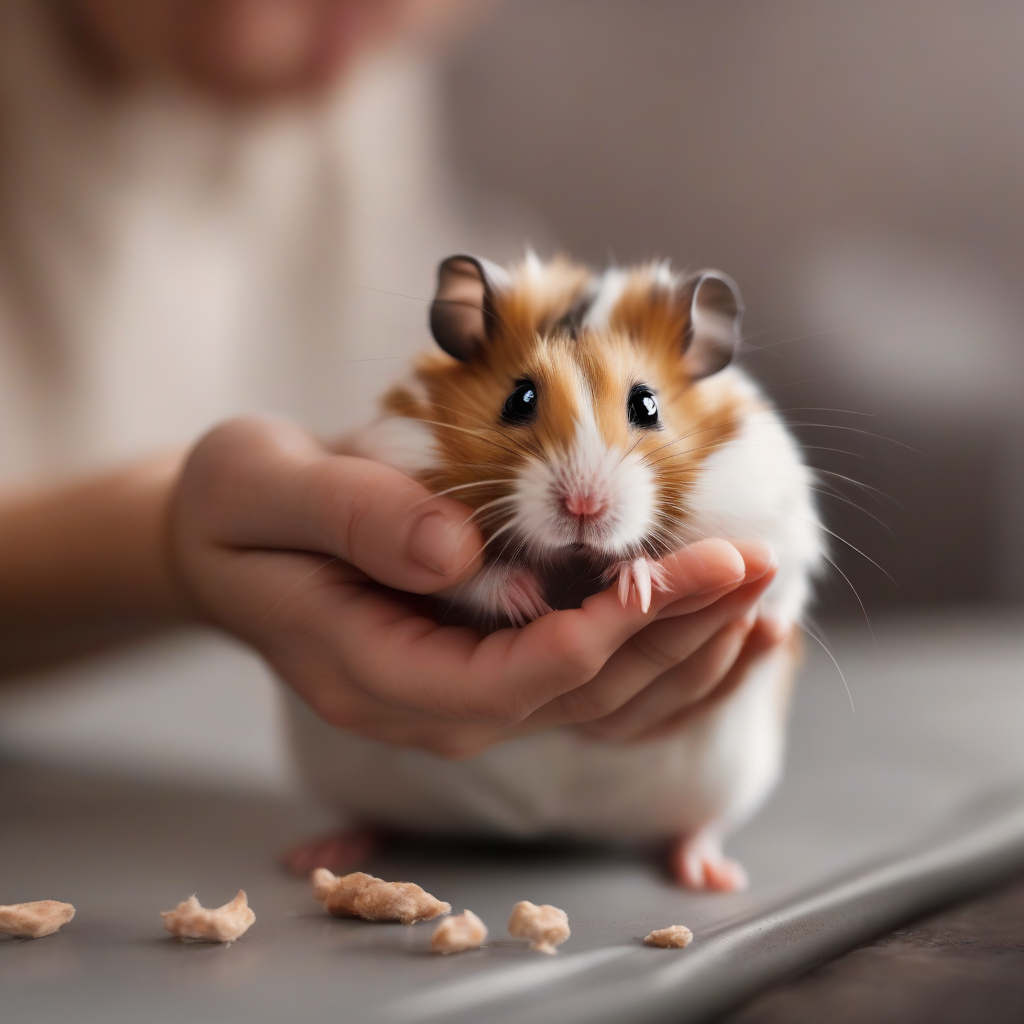
Bleeding in hamsters, especially internal hemorrhage, can rapidly become life-threatening due to their small size. In this article, you will find comprehensive information on lesser-known neurophysiological signs of external and internal bleeding, and lifesaving scientific intervention codes for these critical situations.


Discover the types of burns your dog can suffer, the 5 insidious neurophysiological effects these burns create in the brain and body, and lifesaving emergency intervention strategies in this comprehensive guide. We shed light on the dangers behind forgotten household accidents from a scientific perspective.

Discover the neurobiological signals of hidden stress your newly adopted cat experiences during adaptation to a new social environment. This article reveals 5 insidious signs of your cat's silent struggle and scientific strategies for peaceful, long-term harmony.

Your dog's anal sacs, located beneath the tail, can be hidden alarm bells often overlooked but profoundly affecting their quality of life. In this article, you will discover the 5 insidious neurobiological effects of anal sac problems on the brain and the lifesaving care secrets you need to know for your furry friend to live a peaceful life.
Our tiny hamster friends bring joy to our homes with their energetic and adorable nature. However, their delicate physiology makes them vulnerable to various health issues. Bleeding, whether externally visible or insidiously developing internally, can be fatal for hamsters. Due to their small body mass, they are much more susceptible to blood loss, and their condition can deteriorate rapidly. Therefore, early recognition of bleeding symptoms and proper emergency intervention are crucial for saving your tiny friend's life. So, how can we recognize this insidious bleeding alarm and intervene with scientific methods?
In this article, we will delve into the overlooked neurophysiological signals of internal and external bleeding in hamsters and the lifesaving intervention protocols. Our goal is to provide you, as a conscious pet owner, with the knowledge to take the right steps in these critical situations.
External bleeding usually occurs as a result of cuts, wounds, fights, or trauma from cage equipment. This type of bleeding manifests as wet fur, visible blood stains on the skin, or active bleeding directly from the wound area. It is important to remain calm and act quickly when first noticed.
Internal bleeding is far more dangerous because it is difficult to detect externally, and it often occurs in situations such as trauma, organ rupture, or clotting disorders. Here are the insidious neurophysiological signals indicating internal bleeding in hamsters:
One of the earliest and most critical neurophysiological signs of blood loss is a noticeable pallor in the mucous membranes and skin. The normally pink interior of the mouth, tongue, inner eyelids, and ears appearing lighter or whitish indicates a decrease in circulating blood volume. Reduced blood volume lowers the amount of oxygen transported to tissues, leading to hypoxia, especially in the central nervous system. This condition stimulates vasomotor centers in the brainstem, causing peripheral vasoconstriction (narrowing of blood vessels), directing blood to vital organs, and resulting in the pale appearance of the skin and mucous membranes. This pallor can also be associated with anemia-related fatigue or oxygen deficiency. This condition might be confused with similar symptoms in situations like Your Hamster's Invisible Brain Trauma: 5 Insidious Neurological Signs After a Sudden Fall and Lifesaving Emergency Intervention Protocols!.
An normally energetic and active hamster suddenly becoming lethargic, unwilling to run on its wheel, rarely leaving its nest, or remaining motionless can be a significant indicator of internal bleeding. Blood loss lowers the body's overall energy levels and hinders the delivery of sufficient oxygen and nutrients to cells. This prevents muscles, and especially the brain, from functioning normally. Neurophysiologically, the drop in blood pressure and reduced oxygen disrupt energy production mechanisms in the brain, manifesting behaviorally as lethargy and weakness.
With blood loss, the body's oxygen-carrying capacity decreases, leading to tissue hypoxia. To compensate for this oxygen deficit, the body tends to increase its respiratory rate (tachypnea) and sometimes its depth (shallow breathing). Rapid and shallow breathing can also be associated with stress or pain, but in the context of internal bleeding, it is a physiological response resulting from reduced blood oxygen-carrying capacity. This neurophysiological adaptation aims to maintain blood gas balance by taking in more oxygen and expelling carbon dioxide. If you notice sudden breathlessness in your hamster, this condition might also indicate other emergencies, such as Your Hamster's Hidden 'Choking Trap': 5 Critical Neurophysiological Signals of Airway Obstruction and Lifesaving 5-Second Scientific Intervention!.
Internal bleeding is a significant factor that can cause the body to go into shock. In shock, the body prioritizes blood flow to vital organs and constricts peripheral blood vessels (vasoconstriction). This leads to cold skin and a drop in body temperature (hypothermia). Neurophysiologically, the thermoregulation centers in the hypothalamus struggle to regulate body temperature due to insufficient blood circulation and metabolic slowdown. Excessive body heat loss can further worsen the condition by impairing vital organ functions. When your tiny friend shows signs of body temperature loss, the article Decoding Your Hamster's Secret 'Tail Vibration' Language: 5 Insidious Neurophysiological Signs of Heat Loss and Lifesaving Scientific Interventions! can also provide helpful information.
Internal bleeding, especially when it occurs in the abdominal region, can cause severe pain and discomfort. The hamster may show extreme sensitivity when its abdomen is touched, feel tense, or exhibit pain responses such as grunting or biting. Abdominal swelling (abdominal distension) may also be observed. Neurophysiologically, blood leaking into the abdominal cavity leads to irritation and inflammation of the peritoneum (abdominal lining). This irritation stimulates visceral pain receptors, sending pain signals to the central nervous system. Such pain responses can disrupt the hamster's overall behavioral balance and act as anxiety triggers. For more information on this, you can refer to the article Your Hamster's Hidden 'Calm Buttons': Decode Anxiety Triggers and Discover the Scientific Secrets of Behavioral Balance!.
In cases of suspected internal or external bleeding, urgent and correct intervention can be lifesaving. Here are scientifically based steps:
Remember, these interventions are only first aid. Professional veterinary intervention is essential for your hamster's survival and full recovery. Keeping your hamster's living environment safe, ensuring a balanced diet, and not neglecting regular health check-ups can prevent many emergencies.
Internal and external bleeding in hamsters is a serious emergency requiring rapid and careful intervention. Due to their small size and fast metabolism, they are extremely vulnerable to blood loss. Recognizing insidious neurophysiological signs such as pale mucous membranes, sudden weakness, rapid breathing, hypothermia, and sensitivity to touch can save your tiny friend's life. When you notice any of these symptoms, contacting a veterinarian without hesitation is the most critical and lifesaving step. Being informed and prepared will help your hamster live a healthy and long life.
