
In this article, you can learn how to unlock 5 unknown neurocognitive keys to maximize your hamster's training potential.


Discover the neurobiological signals of hidden stress your newly adopted cat experiences during adaptation to a new social environment. This article reveals 5 insidious signs of your cat's silent struggle and scientific strategies for peaceful, long-term harmony.

Your dog's anal sacs, located beneath the tail, can be hidden alarm bells often overlooked but profoundly affecting their quality of life. In this article, you will discover the 5 insidious neurobiological effects of anal sac problems on the brain and the lifesaving care secrets you need to know for your furry friend to live a peaceful life.
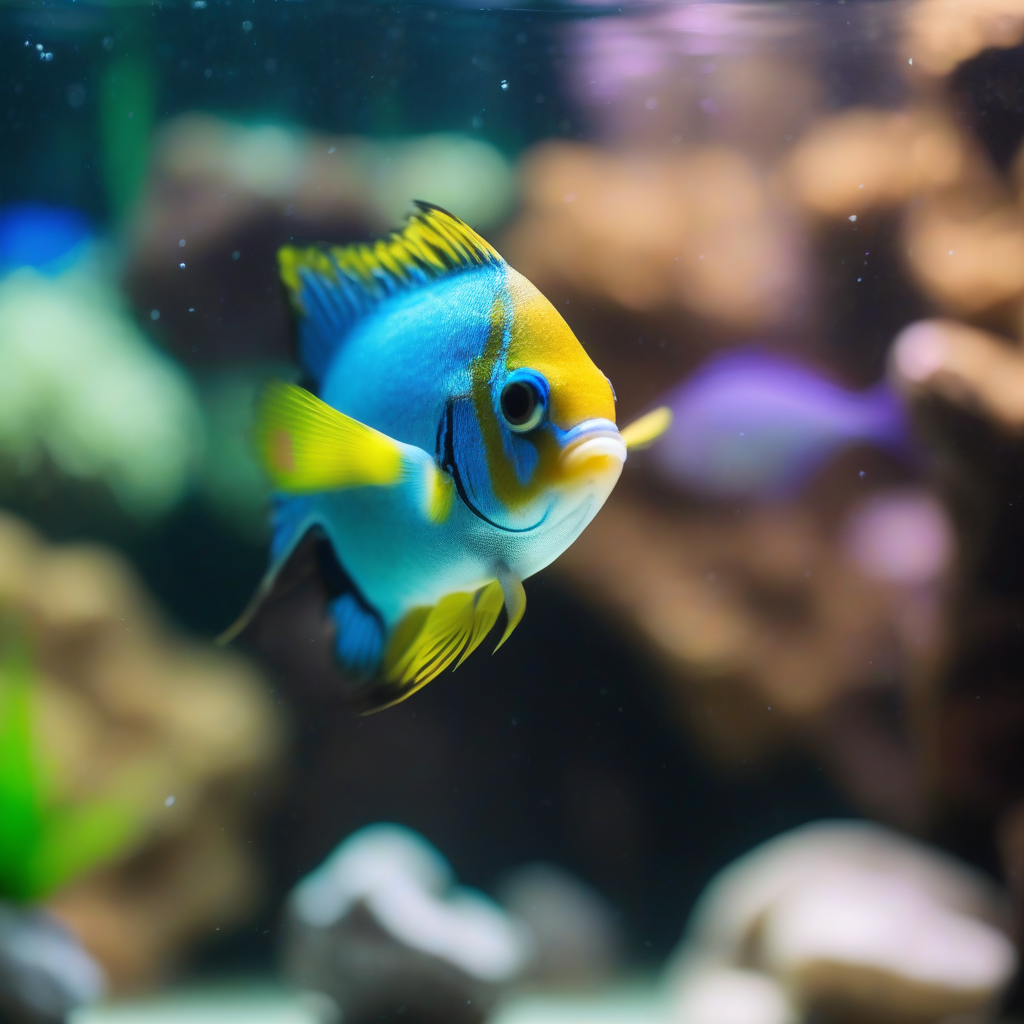
In this article, you will find comprehensive information on the insidious neurotoxic effects of heavy metal poisoning in aquarium fish, its symptoms, and lifesaving emergency intervention codes. This condition, which can arise from household water sources, improper equipment, or neglect, can severely threaten your fish's quality of life and lifespan.
Hamsters, despite their small size, possess a surprising learning capacity. However, unlocking this potential should not be limited to food rewards alone. A conscious training approach involves decoding the hidden 'shaping codes' within their brains. In this article, we will delve into 5 critical neurocognitive keys that you can use in your hamster's training to maximize their cognitive abilities, and how to unlock them.
Many hamsters may initially be shy or fearful towards humans. This is a 'fight or flight' response stemming from their evolutionary past. Overcoming this 'fear tunnel' is the first and most crucial step in the training process. Building trust ensures they are open to new experiences with a relaxed mind. Research indicates that positive and gentle interactions reduce amygdala (fear center) activity and increase prefrontal cortex (learning and problem-solving center) activity in hamsters.
Our related article Your Hamster's Hidden 'Fear Tunnel': 5 Neurobiological Secrets to Overcoming Socialization Barriers! details this topic further.
Hamsters live by digging tunnels and exploring vast areas in their natural habitat. This implies they possess strong spatial memory. By utilizing this trait in training, you can teach your hamster complex directions or how to navigate a maze. The hippocampus region in their brains plays a key role in this spatial learning. Successful navigation training also enhances their problem-solving skills.
Your Hamster's 'Subterranean Illusion': Neurobiological Secrets of Hidden Cage Substrate Layers and Stress-Eliminating Design Codes explains the relationship between hamsters' natural behaviors and their brains.
Like all living beings, hamsters need motivation to exhibit certain behaviors. Understanding the underlying neurochemical mechanisms of this motivation makes training more effective. Dopamine is associated with reward and motivation. Successes achieved during training trigger dopamine release, increasing the hamster's desire to repeat the behavior.
Your Hamster's 'Hidden Buttons': 5 Neurocognitive Training Keys Beyond Rattling Toys! explores these hidden training keys in more detail.
Hamsters are creatures capable of devising creative solutions to challenges they encounter. Training allows them to further develop these problem-solving abilities. Presenting complex tasks or puzzles strengthens the neural connections in their brains and enhances their cognitive flexibility. This process ensures they remain mentally stimulated.
Your Hamster's 'Mind Maze': 5 Neurocognitive Training Secrets to Develop Problem-Solving Skills! offers in-depth information on this topic.
A hamster's overall health directly impacts its training performance. Digestive health plays a significant role in its energy levels and mood. Sudden diet changes or digestive issues can reduce or completely eliminate its willingness to learn. Therefore, maintaining a healthy digestive system during training is critical.
Related to this topic, our articles Your Hamster's 'Hidden Digestive Locks': The Neurological Shocks of Diet Changes and 5 Scientific Strategies! and Your Hamster's 'Hidden Stool Ledger': 5 Invisible Signs of Digestive Health and Lifesaving Scientific Interventions for Sudden Crises! also serve as guides.
In conclusion, understanding and utilizing these hidden 'shaping codes' in your hamster's brain will strengthen the bond you share and make the training process more meaningful for both you and your tiny companion.
