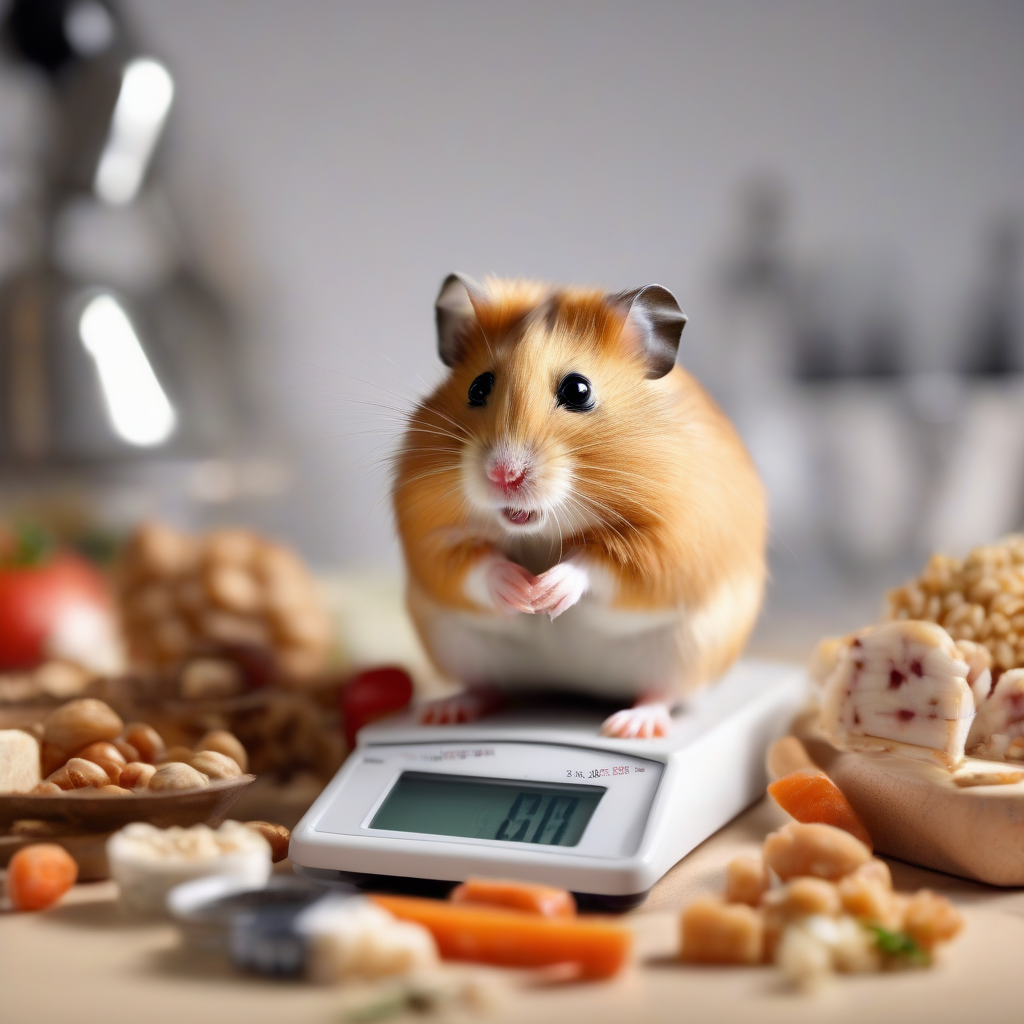
The reactions of your hamster to diet changes are often overlooked. In this article, discover the hidden digestive locks caused by sudden diet transitions, their neurological effects, and 5 scientific strategies for your hamster's health.


Discover the neurobiological signals of hidden stress your newly adopted cat experiences during adaptation to a new social environment. This article reveals 5 insidious signs of your cat's silent struggle and scientific strategies for peaceful, long-term harmony.

Your dog's anal sacs, located beneath the tail, can be hidden alarm bells often overlooked but profoundly affecting their quality of life. In this article, you will discover the 5 insidious neurobiological effects of anal sac problems on the brain and the lifesaving care secrets you need to know for your furry friend to live a peaceful life.
In this article, you will find comprehensive information on the insidious neurotoxic effects of heavy metal poisoning in aquarium fish, its symptoms, and lifesaving emergency intervention codes. This condition, which can arise from household water sources, improper equipment, or neglect, can severely threaten your fish's quality of life and lifespan.
As hamster owners, we place great importance on the nutrition of our beloved pets. However, when it comes to changing their diet, there are often hidden locks beyond the superficial issues like 'sudden diarrhea' or 'loss of appetite' that can have much deeper, and sometimes neurological, effects on a hamster's digestive system and overall well-being.
In this article, we will delve into the scientific secrets behind your hamster's reactions to diet changes, minimize potential harm, and most importantly, explore 5 effective scientific strategies to make this process stress-free for both you and your hamster.
Many hamster owners consider mild stomach upset after a diet change to be normal. However, hamsters have very sensitive digestive systems, and these changes can lead to sudden shifts in their gut flora. This situation is not limited to the digestive system; it can also lead to various neurological responses via the brain-gut axis.
The gut microbiota of a hamster is directly related to the food it consumes. A transition to a new food can disrupt the balance of existing beneficial bacteria, creating a 'microbiota shock.' This imbalance not only leads to physical symptoms like gas, bloating, or diarrhea but can also affect the nervous system, causing restlessness, increased stress, and in some cases, aggressive behavior. This directly impacts their overall mood and response to their environment.
Sudden gastrointestinal distress can trigger the release of stress hormones (like cortisol) in a hamster's body. These hormones can have negative effects on the brain's decision-making and learning areas. If a hamster is constantly struggling with digestive issues, this can negatively impact their 'Secret Problem-Solving Map' [hamster-secret-problem-solving-map-mental-potential-training-secrets] and reduce their capacity to learn new information.
Being aware of these potential challenges is the first step in protecting your hamster's health and happiness. Here are 5 scientific and effective strategies to make the diet change process smoother:
The most critical strategy is to never make an abrupt diet change. To ensure a gentle transition for your hamster's digestive system, follow a 'gradual transition protocol.' Start by slowly adding the new food to the old food. In the initial days, use very little (5-10%) of the new food and more of the old.
This process allows the digestive system to adapt to the new nutrients and largely prevents 'microbiota shock.' It is important to carefully observe your hamster's general health and eating habits during this period. If you notice symptoms like diarrhea or excessive gas, revert to the previous step.
Probiotic supplementation during a diet change helps stabilize your hamster's gut flora. Probiotics increase the number of good bacteria in the digestive system, facilitating adaptation to the new food and reducing potential digestive issues (gas, bloating, soft stools). You can add a reliable probiotic supplement, recommended by your veterinarian and suitable for hamsters, to their food from the first few days of the gradual transition for several weeks. This supports not only physical health but also indirectly supports the health of their 'Invisible Gut Wall' [dog-invisible-gut-wall-leaky-gut-syndrome-nutritional-secrets].
Fiber is crucial for digestive health in hamsters' diets. However, when choosing a new food, the balance of soluble and insoluble fibers it contains is critical. Foods with excessive or insufficient fiber can lead to digestive problems. Abrupt diet changes can disrupt this delicate balance, triggering issues like those described in 'Your Hamster's 'Hidden Destruction Mechanism': 5 Hidden Threats of Proteins in the Digestive Tract and Breakthrough Scientific Strategies for Food Selection!' [hamster-hidden-destruction-mechanism-food-selection-scientific-strategies]. Check the fiber content of the new food, and if necessary, you can add high-fiber (but easily digestible) supplementary foods (e.g., boiled carrot or a small amount of oatmeal) during the transition period to maintain balance. However, remember to introduce these additions gradually as well.
Diet changes can also affect a hamster's water intake. The new food may have a different water content, or digestive issues might affect water consumption. Therefore, it is crucial to ensure your hamster is drinking enough water throughout the transition process. Always provide fresh, clean water. If you use a water bottle, check the water level regularly. Any drop in water intake should trigger your knowledge regarding 'Your Hamster's 'Insidious Dehydration Map': Hidden Dehydration Signals and Lifesaving Scientific Hydration Strategies!' [hamster-insidious-dehydration-map-hidden-signals-scientific-hydration] and prompt you to take the situation seriously.
The diet change process can be a significant source of stress for sensitive creatures like hamsters. This stress can trigger larger behavioral issues like those in 'Your Hamster's Hidden 'Fear Tunnel': 5 Neurobiological Secrets to Overcoming Socialization Barriers!' [hamster-hidden-fear-tunnel-socialization-barriers-neurobiological-secrets]. Therefore, it is important to make your hamster's habitat safer and more calming during the transition period. Ample hiding places, soft bedding, and a quiet environment allow them to feel secure. Toys and an enriched environment can help distract them and reduce their stress.
Every change in your hamster's diet can potentially create effects on both physical and neurological levels. By being aware of these effects and implementing scientific strategies such as the 'gradual transition protocol,' probiotic support, fiber balance management, adequate hydration, and stress-reducing environmental adjustments, you can ensure your hamster navigates this process healthily and stress-free. Remember, every small step is a big step towards your furry friend living a long and happy life.
