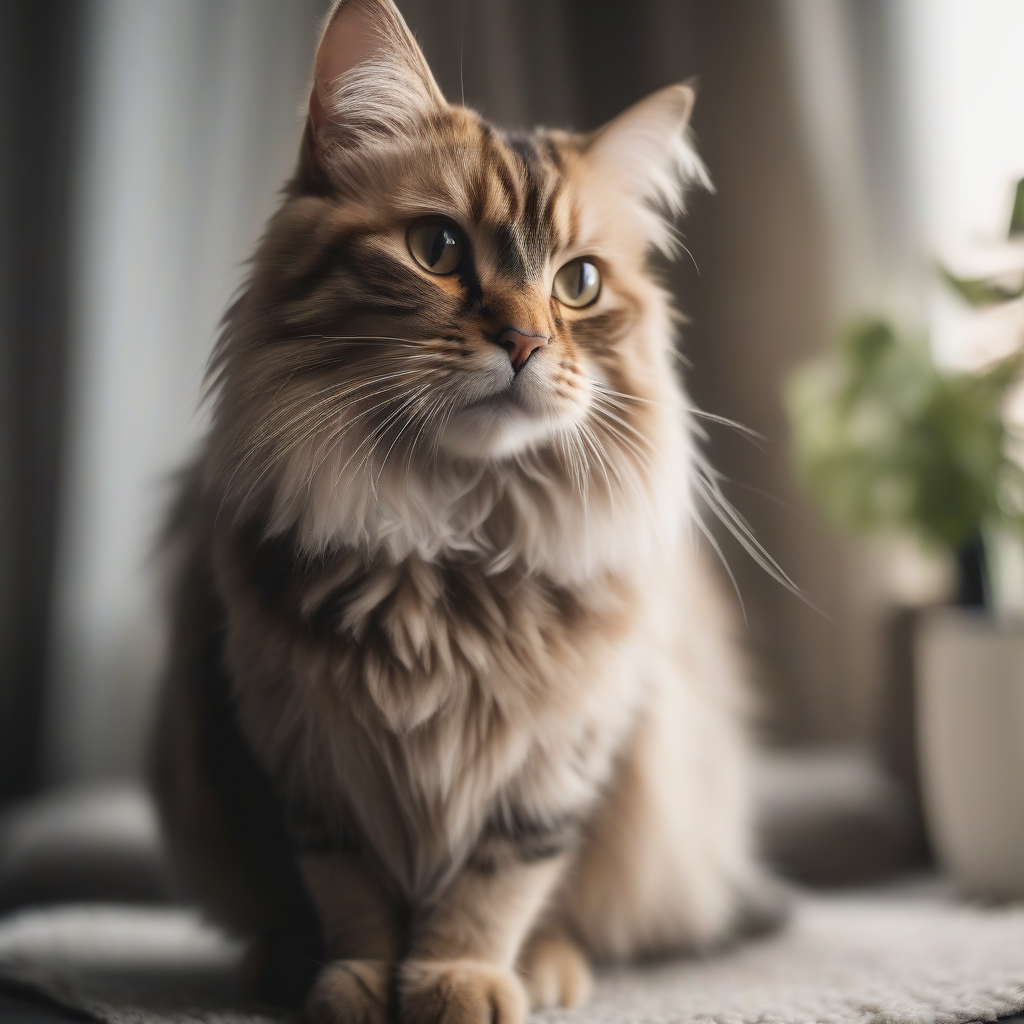
In this article, discover 5 unknown scientific secrets that affect your cat's fur structure, going beyond hair loss.


Discover the types of burns your dog can suffer, the 5 insidious neurophysiological effects these burns create in the brain and body, and lifesaving emergency intervention strategies in this comprehensive guide. We shed light on the dangers behind forgotten household accidents from a scientific perspective.

Discover the neurobiological signals of hidden stress your newly adopted cat experiences during adaptation to a new social environment. This article reveals 5 insidious signs of your cat's silent struggle and scientific strategies for peaceful, long-term harmony.

Your dog's anal sacs, located beneath the tail, can be hidden alarm bells often overlooked but profoundly affecting their quality of life. In this article, you will discover the 5 insidious neurobiological effects of anal sac problems on the brain and the lifesaving care secrets you need to know for your furry friend to live a peaceful life.
Cats' elegant and lustrous fur is not just an aesthetic beauty element; it is also critically important for their health and comfort. While often focusing on hair loss, there is a complex 'fur architecture' behind your cat's coat that you may not even be aware of. This architecture is influenced by numerous factors, from your cat's overall health to their stress levels. In this article, we will go beyond hair loss and delve into the 5 hidden scientific secrets that shape your cat's fur structure and directly impact their health.
The hair cycle in cats is managed by a much more complex hormonal dance than we might imagine. Hormones such as estrogen, thyroid hormones, and cortisol synchronize the growth, resting, and shedding phases of hair follicles. Even the slightest deviation in the balance of these hormones can lead to excessive hair loss or a dull, lifeless coat. For instance, an imbalance in the thyroid gland can cause an increase in shedding, while elevated cortisol levels can negatively affect fur quality. Therefore, ensuring adequate protein and healthy fats in your cat's diet helps maintain this hormonal balance.
Your cat's skin is not just a covering; it is a living ecosystem. The skin's microbiome, composed of beneficial bacteria, forms a barrier against pathogens, protecting the skin and preventing inflammation. The balance of this microbiome directly affects fur health. An insufficient or imbalanced skin microbiome can lead to itching, redness, and consequently, excessive hair loss. Prebiotics and probiotics in supplements or specialized diets can help strengthen this 'invisible hand'.
Internal link: Your Cat's 'Hidden Fur Care Architecture': 5 Unknown Scientific Secrets Beyond Hair Loss!
In some cases, your cat's immune system may mistakenly perceive its own hair follicles as foreign and attack them. This condition is known as 'Feline Autoimmune Alopecia'. These autoimmune reactions are often triggered by factors such as stress, infections, or genetic predisposition and can cause patchy or widespread hair loss. Early detection and management of this condition are possible with immunosuppressive treatments under veterinary supervision. Keeping your cat in a safe environment, free from stress, contributes to reducing this risk.
Internal link: Your Rabbit's 'Secret Stress Response Atlas': Unlock the 5 Invisible Neurological Locks for a Calm Companion! (Note: Although this article is for rabbits, the effects of stress on fur are applicable to cats. Please adapt the context accordingly.)
Not just essential nutrients, but also micronutrients such as zinc, selenium, biotin, and omega-3 fatty acids are vital for the shine, strength, and healthy growth of fur. Deficiencies in these micronutrients can lead to dullness, brittleness, and increased hair loss. Choosing a high-quality, balanced cat food is the best way to ensure adequate intake of these critical micronutrients. When selecting food, it is important to carefully examine product labels and consult your veterinarian.
Internal link: Your Cat's Secret Nutrition Labyrinth: Dry Food vs. Wet Food? The Art of Deciding with Scientific Data!
Environmental factors such as humidity levels in our living spaces, pollens, dust, and household chemicals can silently affect your cat's fur and skin health. High humidity increases the risk of fungal infections, while air pollution and chemicals can lead to allergic reactions and skin irritation. Improving the air quality in your home and performing regular cleaning, while avoiding harmful chemicals, play a significant role in protecting your cat's fur health.
Internal link: Your Cat's Hidden Thermal Map: 5 Neurocognitive Secrets to Managing Comfort and Stress with Micro-Climate Zones at Home!
Your cat's fur structure is directly linked not only to its appearance but also to its overall health. Understanding this hidden 'fur architecture' and providing care accordingly will ensure their fur is healthier, shinier, and stronger. Remember, your cat's coat is a reflection of its inner well-being.
