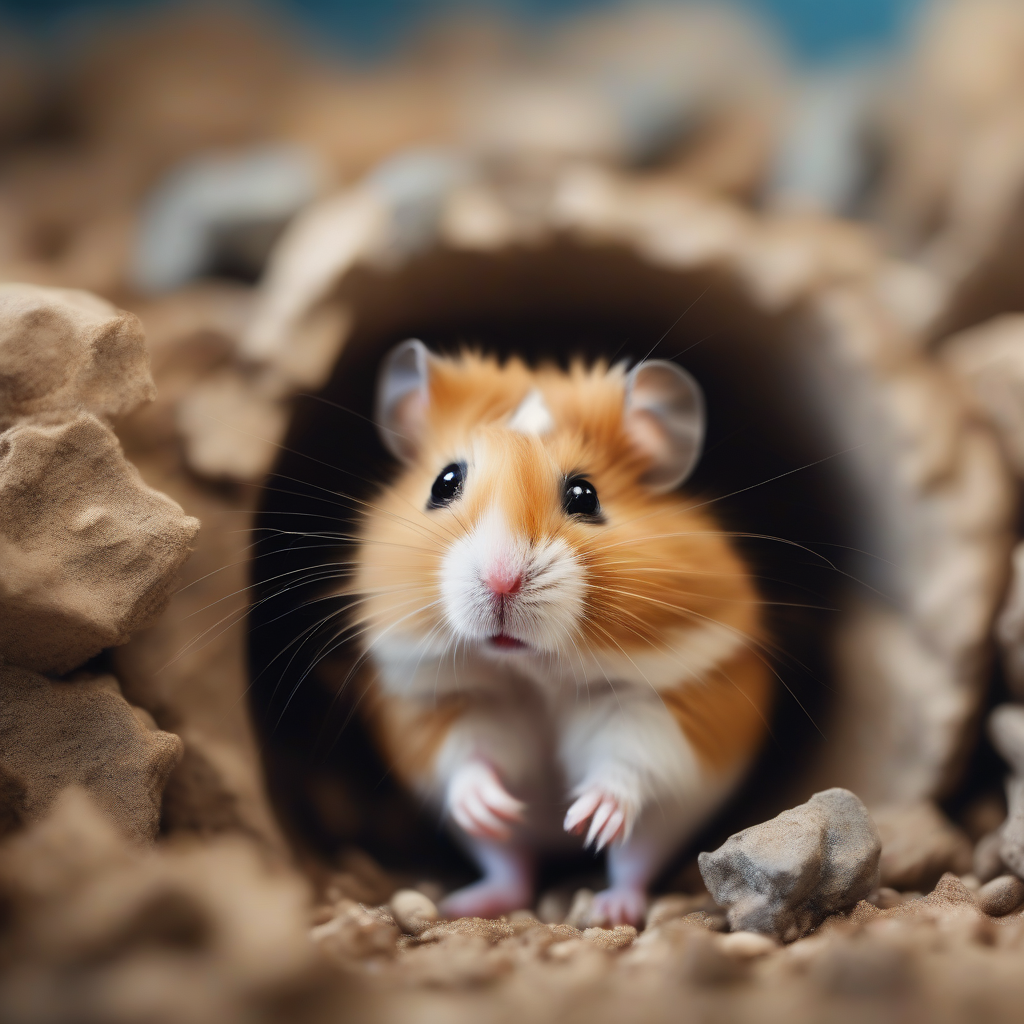
In this article, you will discover the neurocognitive origins of seasonal mood changes that can occur in hamsters beyond the hibernation period, and scientific management strategies you can implement at home. Gain critical insights to ensure your hamster's mental well-being throughout the year.

In this article, you will find comprehensive information about the insidious neurobiological effects of artificial colorings, preservatives, and flavors found in commercial bird feeds on your bird's brain health and mental vitality. We explore scientific nutritional secrets to combat these hidden dangers, shedding light on a wide spectrum of effects from behavioral changes to cognitive decline.

In this article, you can discover the scientific secrets to understanding your cat's undesirable habits, deciphering the neurocognitive mechanisms in their brain, and establishing lasting new routines.

Discover the types of burns your dog can suffer, the 5 insidious neurophysiological effects these burns create in the brain and body, and lifesaving emergency intervention strategies in this comprehensive guide. We shed light on the dangers behind forgotten household accidents from a scientific perspective.
Our tiny friends, hamsters, are a joy in our homes with their nocturnal nature and cute demeanor. However, much like humans, they can be quite sensitive to environmental factors, especially seasonal changes. While seasonal effects are typically associated with hibernation, they can subtly shape hamsters' mood and behavior even outside this period. This hidden seasonal "blues" or behavioral shifts are linked to neurocognitive processes that can easily be overlooked by owners but profoundly impact a hamster's overall well-being. In this article, we will delve into the neurobiological origins of your hamster's seasonal mood changes beyond hibernation, identify these insidious triggers, and offer peace-focused scientific solutions.
Hamsters' responses to seasonal changes are fundamentally based on a physiological response to the daylight cycle, known as photoperiodism. This response is not limited to major changes like hibernation or reproductive cycles; it also affects brain chemistry and, consequently, mood.
The duration and intensity of daylight are perceived by the suprachiasmatic nucleus (SCN) in the hamster's hypothalamus. The SCN, the body's master circadian clock, instructs the pineal gland to secrete melatonin. Short daylight hours (winter) lead to increased melatonin secretion, while long daylight hours (summer) suppress it. Melatonin not only regulates the sleep-wake cycle but also influences mood, energy levels, and even the immune system. This mechanism shows similarities to that observed in humans experiencing seasonal affective disorder (SAD).
Changes in melatonin levels can directly affect the synthesis and release of neurotransmitters such as serotonin and dopamine. Serotonin, in particular, is closely linked to feelings of happiness and well-being. A decrease in serotonin levels can be observed during winter months or under insufficient lighting conditions, manifesting as reduced activity, loss of motivation, and even depressive tendencies in hamsters.
Here are some specific signs you might observe in your hamster's behavior seasonally, which should not be confused with hibernation:
Hamsters living in areas with less light, especially during winter months, may exhibit lethargy, decreased activity, and loss of appetite due due to insufficient daylight. They might not play as eagerly as before, use their running wheel less, or emerge from their burrow less frequently. This is an energy drop that can be mistaken for sleepiness.
Hamsters kept indoors, especially when taken out less in winter or deprived of natural stimuli, can experience a lack of mental stimulation. This can lead to repetitive behaviors, restlessness, or apathy. Hamsters naturally love to burrow and explore. Our article, Your Hamster's 'Secret Burrow Architecture': The Neurobiological Origins of Digging Instinct and Peaceful Home Secrets, offers more insights on this topic.
While most hamsters prefer to live alone, those who don't receive enough attention from their owners or surroundings, especially during seasons when outdoor social activity decreases, might experience a form of loneliness or boredom. This can manifest as increased anxiety or even aggression. Your Hamster's Hidden 'Calm Buttons': Decode Anxiety Triggers and Discover the Scientific Secrets of Behavioral Balance! can help you better understand anxiety mechanisms.
A reduction in the variety of fresh fruits and vegetables during winter or changes in the owner's feeding routine can affect the hamster's nutritional intake. Deficiencies in neuro-nutrients like Vitamin D and Omega-3 fatty acids, in particular, can negatively impact brain chemistry and mood. Proper nutrition is crucial for hamster brain health. For more information, you can refer to the article Your Hamster's Hidden 'Vitamin Sources': 5 Insidious Nutritional Secrets Shaping Brain Chemistry and Scientific Nutrition for Optimal Well-being.
Hamsters are particularly sensitive to low temperatures, and sudden drops in ambient temperature or very low humidity levels can cause stress. This can affect their natural behaviors and energy levels, sometimes leading to lethargy similar to hibernation, but it is not true hibernation and can be dangerous.
Here are science-backed strategies you can implement to help your hamster cope with seasonal 'blues':
During winter months or in dimly lit environments, using animal-safe, full-spectrum lighting near the cage can compensate for the lack of daylight. By leaving it on for specific hours in the morning and evening, you can help regulate your hamster's circadian rhythm. However, it's crucial not to overdo it and ensure periods of darkness.
Regardless of the season, keeping your hamster's cage enriched is vital for their mental health. Periodically offer different toys, chewing materials, tunnels, and safe hiding spots. Provide mental challenges by drawing inspiration from articles like Your Hamster's Secret 'Problem-Solving Intelligence': 5 Neurocognitive Strategies to Trigger Mental Development with In-Cage Puzzles!.
Implement a balanced and varied feeding program regardless of seasonal changes. Consult your veterinarian about nutritional supplements, such as Vitamin D or Omega-3, especially during winter months. Continue offering fresh fruits and vegetables in season and explore alternative food sources.
Protect your hamster's cage from sudden temperature fluctuations, drafty areas, and excessive humidity. Maintaining the ideal room temperature range and controlling the humidity of the cage environment minimizes stress factors.
If you notice prolonged or worrying changes in your hamster's behavior, always consult a veterinarian. Ensuring there isn't an underlying medical condition and seeking professional help for behavioral management strategies is critical for your tiny friend's health and happiness.
Correctly recognizing the symptoms of your hamster's seasonal 'blues' and approaching them with science-backed solutions will help them lead a long and happy life. Remember that despite their small size, hamsters are creatures with complex neurocognitive worlds, and their well-being is directly proportional to the care we provide.
