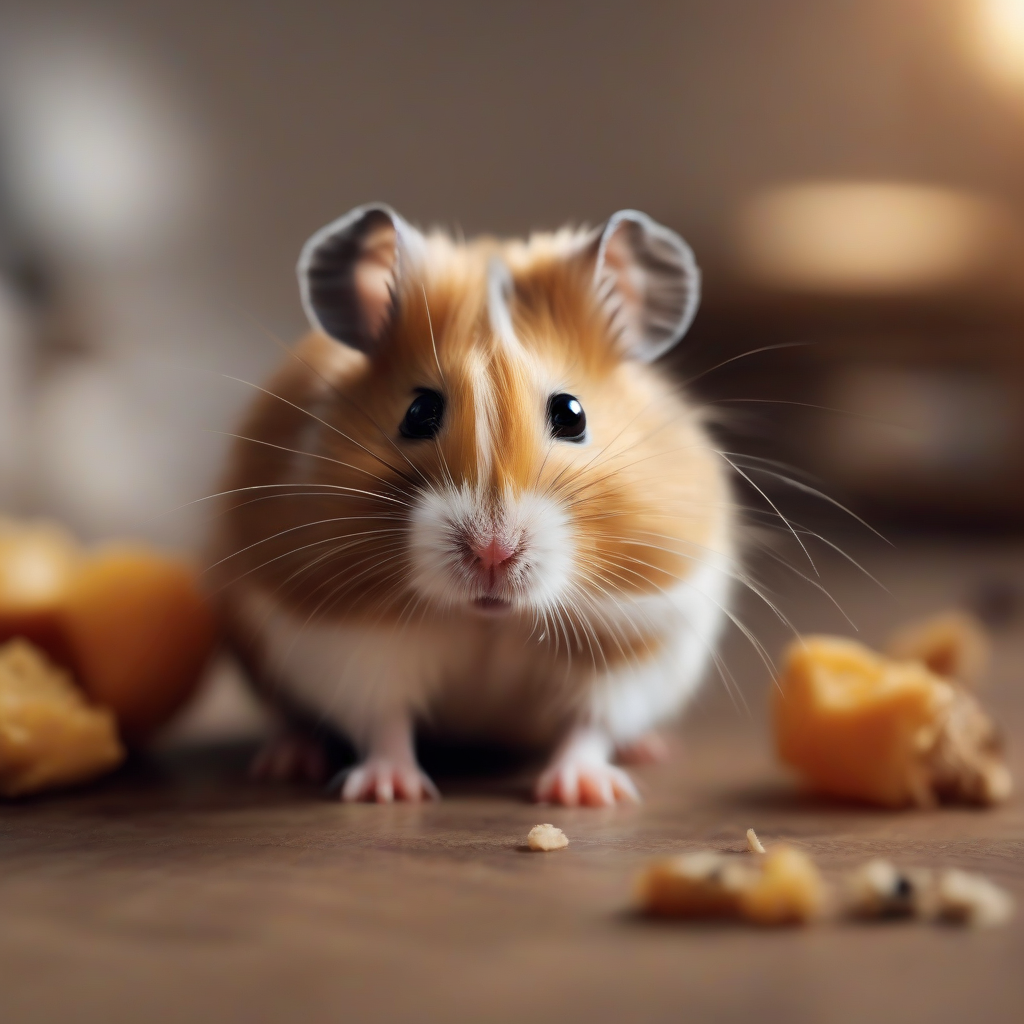
In this article, you will discover the 5 insidious neuroinflammatory effects of 'Wet Tail' (Proliferative Ileitis) syndrome, a common and often fatal disease in hamsters, on the brain, and the lifesaving scientific solutions against it.

In this article, you will discover the profound neurocognitive effects of cage shape and volume, often overlooked in bird cage selection, on your bird's brain health. Learn scientific secrets to enhance your bird's mental well-being through optimal habitat design.
In this article, you will discover how your fish perceive visual cues and daily routines in the aquarium, the role of memory mechanisms in this process, and scientific training secrets you can apply to enhance their mental vitality.

In this article, you will discover the profound neurosensory effects of aquarium substrate on fish brain health and behavior, and scientific secrets for an optimal habitat.
While hamsters bring joy to our homes with their tiny size and adorable demeanor, they can sometimes face serious health issues. One such problem is a devastating intestinal infection known in literature as "Proliferative Ileitis" and commonly referred to as "Wet Tail" syndrome. This disease, which has a high mortality rate, especially in young hamsters, not only affects the digestive system but also leaves insidious and destructive neuroinflammatory effects on the brain's delicate neuronal networks. In May 2026, WikiPet sheds light on the profound impact of this mysterious disease on the brain and the lifesaving scientific intervention strategies, based on the latest advancements in veterinary medicine. Here, you will find everything you need to know to protect your hamster from this "hidden gut catastrophe" and ensure a rapid recovery.
Wet Tail is a highly contagious and often fatal intestinal disease observed in hamsters. It typically emerges when the immune system is weakened due to stress, dietary changes, environmental factors, or adaptation to a new environment. The disease manifests with symptoms such as diarrhea, wetness around the tail area, loss of appetite, hunched posture, lethargy, and sometimes aggressive behavior.
The primary causative agent of the disease is a gram-negative bacterium called Lawsonia intracellularis. This bacterium attaches to the inner surface of intestinal cells, proliferates, leading to thickening of the intestinal wall, reduced absorption capacity, and severe diarrhea. The damage caused by the bacterium is not merely local; the disruption of the intestinal barrier allows toxins and bacterial products to enter the bloodstream, initiating a systemic infection and inflammatory response. The effects of this systemic inflammation on the brain are often overlooked.
Symptoms of Wet Tail develop rapidly and can become life-threatening within a few days. The most prominent sign is frequent defecation due to diarrhea and the hamster's tail area being constantly wet and sticky. In addition:
If you notice any of these symptoms, it is crucial to consult a veterinarian without delay. Early intervention significantly increases the chances of recovery.
Although Wet Tail appears to be an intestinal disease, its systemic effects can lead to severe consequences for the central nervous system. The complex structure of the gut-brain axis clearly demonstrates how disruptions in gut health can affect neurological functions.
Lawsonia intracellularis infection triggers an intense inflammatory response in the intestines. These inflammatory cytokines (e.g., IL-1β, TNF-α, IL-6) can enter the bloodstream and cross the blood-brain barrier. Upon reaching the brain, these cytokines activate brain immune cells called microglia, leading to neuroinflammation. Chronic or severe neuroinflammation can result in neuronal damage, synaptic dysfunction, and cognitive impairments. To understand how susceptible your hamster is to these inflammatory processes, you can read our article Hamster Food Bowl's 'Hidden Protein Trap': 5 Insidious Nutritional Secrets Triggering 'Silent Inflammation' and Strategies to Strengthen Your Digestive Shield!.
Severe diarrhea and vomiting cause significant fluid and electrolyte loss in the hamster's body. Imbalance of electrolytes such as sodium, potassium, and chloride directly affects the neurons' ability to transmit electrical signals. This disrupts the normal functioning of brain cells, leading to lethargy, incoordination, muscle twitching, and even convulsions. Neuronal dysfunction is one of the primary reasons for the rapid deterioration of the hamster's general condition. The article Balık Akvaryumunun Gizli 'Elektrolit Dengesi' Krizleri: 5 Sinsi Nörofizyolojik Sinyal ve Hayat Kurtaran Bilimsel Çözümler!, although for a different species, well explains the neurophysiological importance of electrolyte balance.
Bacterial overgrowth and infection in the intestines lead to the production of endotoxins and other metabolic byproducts. When the integrity of the intestinal barrier is compromised, these neurotoxic substances can enter the bloodstream and affect the brain. Toxins reaching the brain can directly damage neurons, disrupt nerve transmission, and even contribute to brain edema. This is a significant cause behind the hamster's lethargy and clouded consciousness.
Severe dehydration and electrolyte imbalance lead to hypovolemic shock, causing a drop in blood pressure. Low blood pressure reduces blood flow to the brain (cerebral perfusion). Reduced blood flow means insufficient oxygen (hypoxia) and nutrients reach brain cells. Neurons are extremely sensitive to oxygen deprivation, and prolonged hypoxia can lead to permanent brain damage or cell death (necrosis). This can cause the hamster to fall into a coma or result in sudden death.
The severe pain, discomfort, and systemic stress caused by Wet Tail increase the levels of stress hormones like cortisol in the hamster's body. High cortisol levels have negative effects on brain regions particularly responsible for memory, learning, and emotion regulation, such as the hippocampus. Prolonged stress can impair neuronal plasticity and cause morphological changes in brain structure. This can lead to permanent behavioral changes in the hamster, even during the recovery period. Our article Your Hamster's 'Silent Anxiety Zones': Hidden Neurobiological Effects of Inadequate Sleep Environments and Scientific Secrets to Peace! can help you understand the effects of stress on pets in more depth.
Wet Tail syndrome is a rapidly progressing and potentially fatal disease. Therefore, early diagnosis and rapid scientific intervention are vital.
As soon as you notice symptoms of Wet Tail in your hamster, you should consult a veterinarian immediately. The veterinarian will confirm the diagnosis through a physical examination, fecal test, and, if necessary, blood analysis. Delay significantly reduces the chances of recovery.
Dehydration is one of the most dangerous complications of Wet Tail. The veterinarian will administer fluid therapy, either subcutaneously (under the skin) or orally, to replace lost fluids and electrolytes. Special solutions containing electrolytes play a critical role in stabilizing neuronal function.
Broad-spectrum antibiotics effective against Lawsonia intracellularis bacteria form the cornerstone of the disease's treatment. The veterinarian will determine the appropriate type and dosage of antibiotic based on the severity of the infection and the hamster's general condition. Early initiation of treatment reduces bacterial load, minimizing systemic inflammation and toxin accumulation.
Supportive care is crucial during the recovery process. The hamster should be kept in a clean, warm, and stress-free environment. Regular disinfection of the cage and frequent changing of bedding material prevent the spread of infection. Temperature control is also important; the article Your Hamster's 'Invisible Thermal Stress': 5 Insidious Neurobiological Effects of Body Temperature Imbalance in the Brain and Lifesaving Care Secrets! emphasizes the importance of thermal balance.
Antibiotic treatment can negatively affect beneficial gut flora as well as harmful bacteria. Therefore, with the veterinarian's recommendation, specially formulated probiotics and prebiotics can be used to rebalance the gut microbiota and support digestive health. These supplements can help strengthen the intestinal barrier and reduce the risk of neuroinflammation. To delve deeper into the effects of your hamster's gut health on overall well-being, you can check out our article Your Hamster's Brain's 'Secret Microbiota Architects': 5 Neurobiological Secrets of Gut Fermentation and Scientific Nutrition for Optimal Mental Well-being!.
Preventing Wet Tail is easier and less costly than treating it. The following measures can help protect your hamster from this disease:
Hamsters are highly sensitive to stress. Sudden environmental changes, excessive noise, unsuitable cage mates, or inadequate living space can increase stress. Providing a peaceful and stable living environment keeps the immune system strong.
Use a high-quality, balanced hamster food and avoid sudden dietary changes. Cage hygiene is also extremely important. Regularly clean and disinfect the cage. Our article Your Hamster's 'Invisible Chemical Assault': 5 Insidious Neurobiological Traps of Cage Cleaning and Scientific Secrets for a Safe Living Space! provides information on safe cleaning protocols.
When acquiring a new hamster, ensure the environment it comes from is clean and healthy. Avoid hamsters showing signs of Wet Tail or those that have recently recovered. Quarantining new hamsters away from your existing pets for a period prevents the spread of potential diseases.
Conclusion: Wet Tail is a devastating disease for hamsters, affecting not only the intestines but also the brain through insidious neuroinflammatory mechanisms. Recognizing the symptoms of this disease, promptly consulting a veterinarian, and implementing science-based treatment approaches can save your tiny friend's life. Remember, accurate information and timely intervention are the greatest guarantees for your hamster to live a healthy and happy life.
