
Do you know what to do when your hamster suddenly chokes? This comprehensive guide provides life-saving first aid strategies for choking and foreign body dangers.


Discover the neurobiological signals of hidden stress your newly adopted cat experiences during adaptation to a new social environment. This article reveals 5 insidious signs of your cat's silent struggle and scientific strategies for peaceful, long-term harmony.

Your dog's anal sacs, located beneath the tail, can be hidden alarm bells often overlooked but profoundly affecting their quality of life. In this article, you will discover the 5 insidious neurobiological effects of anal sac problems on the brain and the lifesaving care secrets you need to know for your furry friend to live a peaceful life.
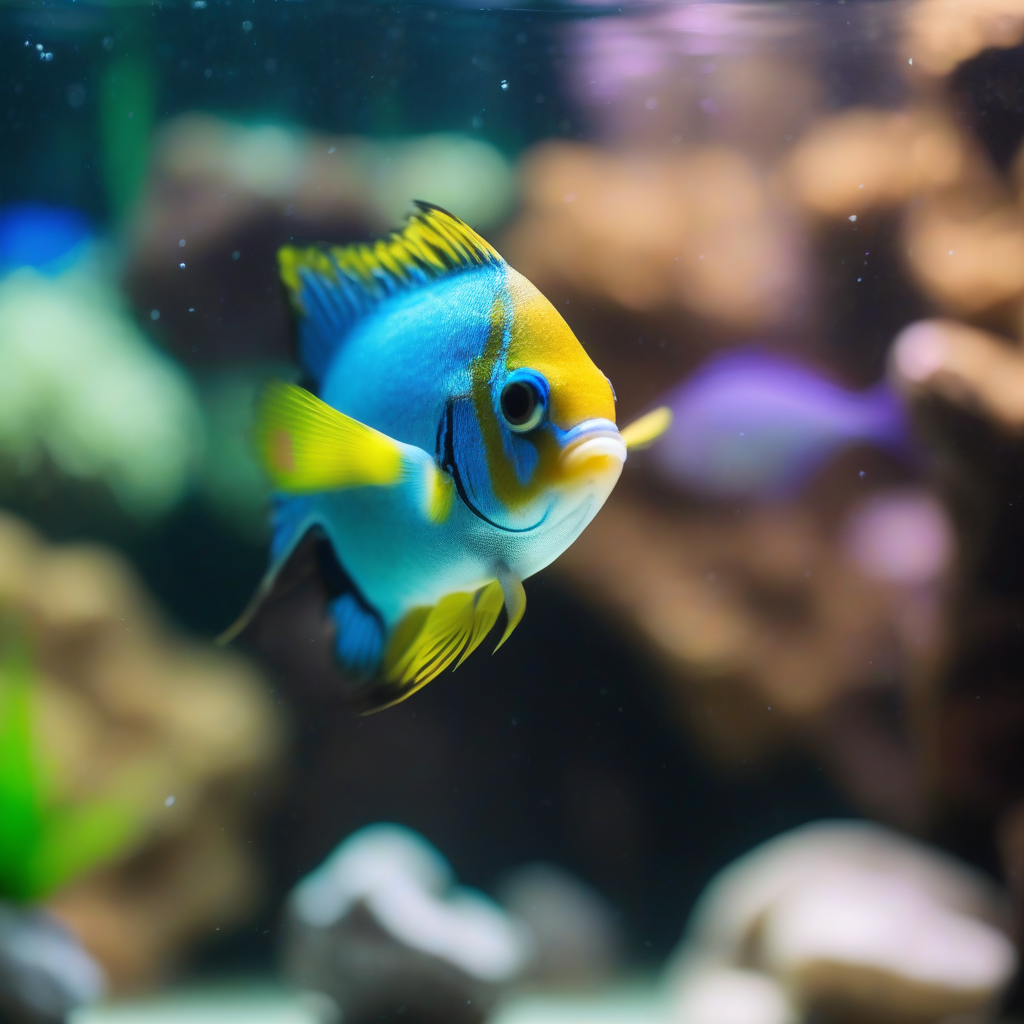
In this article, you will find comprehensive information on the insidious neurotoxic effects of heavy metal poisoning in aquarium fish, its symptoms, and lifesaving emergency intervention codes. This condition, which can arise from household water sources, improper equipment, or neglect, can severely threaten your fish's quality of life and lifespan.
Hamsters, with their curious nature and tiny size, can sometimes face unexpected dangers. Among the most common emergencies for these little companions are respiratory distress, particularly choking and swallowing foreign objects. In such situations, you can save your beloved pet's life with the right knowledge and quick intervention, rather than panicking.
Sudden respiratory distress leads to noticeable behavioral changes in your hamster. Here are the most critical signs to observe:
If you suspect your hamster has swallowed a foreign object and is exhibiting the symptoms above, you must intervene without delay. Remember, these steps should only be performed if your hamster's life is in immediate danger, you cannot reach a veterinarian, or if advised by a veterinarian. Consulting your vet before any intervention is always the safest course of action.
This is one of the most common and often effective first aid methods. You must be extremely gentle when applying this technique.
If the first method doesn't work and the object is still lodged, the next step is to apply gentle pressure to the abdomen. This is like a miniature version of the Heimlich maneuver in humans, but it must be much gentler.
In any suspected case of foreign body ingestion or when you observe signs of respiratory distress, seeking veterinary attention as soon as possible is crucial. The first aid methods described above can buy you time, but professional help is essential for a definitive solution and diagnosis. Your veterinarian will assess the situation, perform X-rays if necessary to locate the foreign object, and administer appropriate medical treatment (such as endoscopy or surgery).
There are also precautions you can take at home to prevent such emergencies:
Being equipped with this information is one of the most important steps you can take for the health and safety of your tiny companion. Remember, with love and care, you can ensure a long and healthy life for your hamster.
