
Discover the purpose of your hamster's cheek pouches, what foods they can store, and how to maintain the health of these hidden treasures. A detailed care guide.


Discover the neurobiological signals of hidden stress your newly adopted cat experiences during adaptation to a new social environment. This article reveals 5 insidious signs of your cat's silent struggle and scientific strategies for peaceful, long-term harmony.

Your dog's anal sacs, located beneath the tail, can be hidden alarm bells often overlooked but profoundly affecting their quality of life. In this article, you will discover the 5 insidious neurobiological effects of anal sac problems on the brain and the lifesaving care secrets you need to know for your furry friend to live a peaceful life.
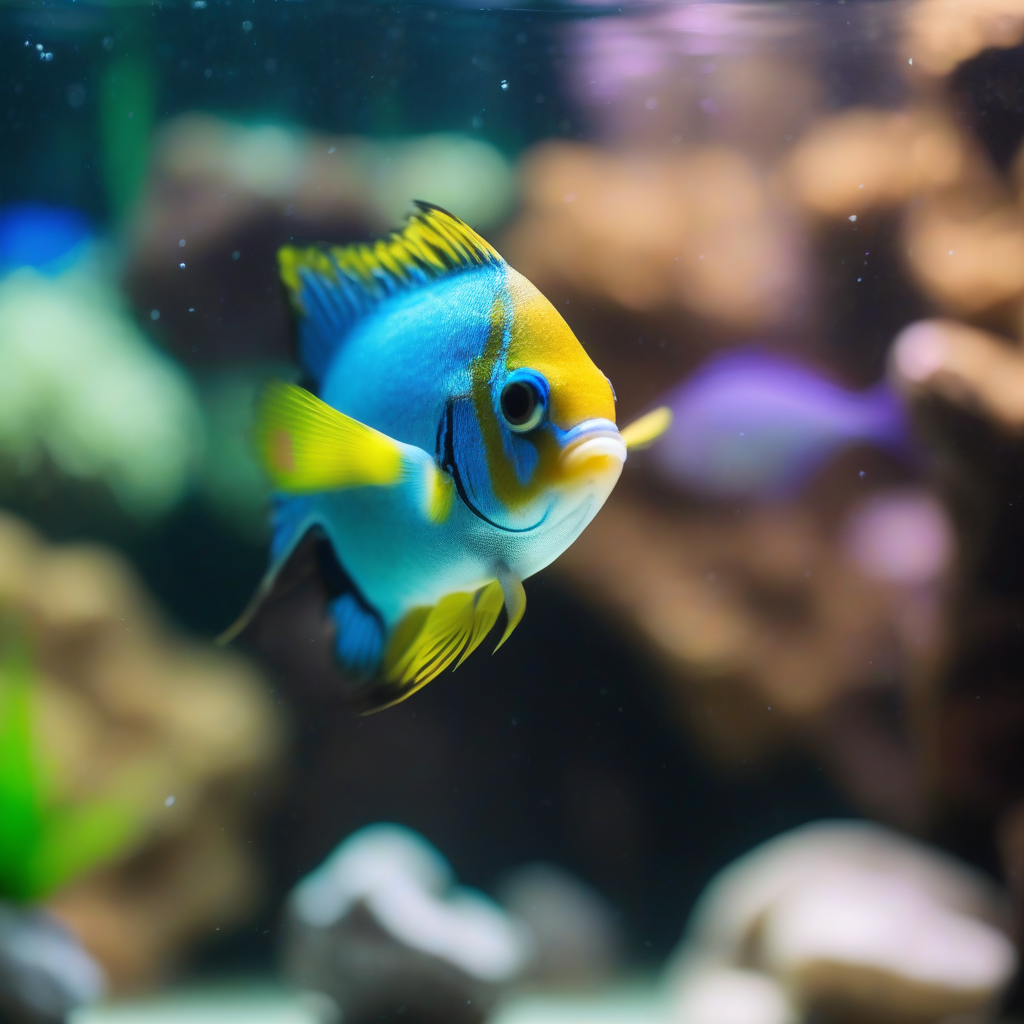
In this article, you will find comprehensive information on the insidious neurotoxic effects of heavy metal poisoning in aquarium fish, its symptoms, and lifesaving emergency intervention codes. This condition, which can arise from household water sources, improper equipment, or neglect, can severely threaten your fish's quality of life and lifespan.
Hamsters, despite their small size, are capable of incredible storage. One of the most striking and functional aspects of this capacity is their cheek pouches. These pouches allow hamsters to carry, store, and transport food and nesting materials to a safe location. So, what exactly are the functions of these mysterious pouches, and why is maintaining their health crucial for your hamster?
Hamster cheek pouches are highly flexible and expandable sacs located on either side of their mouths. These pouches function like miniature storage compartments. When a hamster finds food or nesting material, it fills these pouches, enabling it to carry a larger quantity in a single trip. This is a critical adaptation for their survival in natural environments where finding food can be challenging.
Cheek pouches are not just for transport; they also help protect food from external elements, preserving its freshness for a longer period. Once the hamster reaches a safe place, it will empty the pouches to eat or store the food in its nest.
Hamsters primarily fill their cheek pouches with foodstuffs. These include:
However, cheek pouches are not suitable for storing everything. Soft, sticky, or liquid substances can increase the risk of infection if left in the pouches for extended periods. Additionally, overly full or impacted pouches can prevent the hamster from eating, breathing, or sleeping normally.
Hamster cheek pouches are generally self-cleaning. However, problems can arise, and early detection of these issues is vital for your hamster's well-being.
Sometimes, hamsters may fill their pouches with non-food items such as small pieces of plastic or tiny pebbles. These objects can damage the pouch lining or become impacted, making them impossible to remove. This can lead to infection and severe inflammation.
Symptoms:
What to Do? If you suspect a foreign body, gently hold your hamster and carefully examine its cheeks. If you feel a hard object within the pouch or observe signs of infection, seek veterinary attention immediately. Attempting to intervene yourself can worsen the situation.
Due to dirty cage conditions, incomplete pouch emptying, or foreign objects, hamster cheek pouches can become infected. This leads to inflammation of the pouch lining.
Symptoms:
What to Do? Upon observing signs of infection, a veterinary diagnosis and appropriate antibiotic treatment are necessary. Your vet may also recommend gentle cleaning of the pouches depending on the severity of the infection.
Hamsters can sometimes ingest hair into their cheek pouches while grooming. Excessive hair can accumulate and cause blockage and discomfort.
Symptoms:
What to Do? This situation usually doesn't cause serious issues and can resolve with the hamster's own grooming. However, if there is persistent discomfort or symptoms worsen, consult a veterinarian.
If your hamster has an excessive hoarding tendency, it can sometimes lead to food spoiling or rotting in the pouches. Storing fresh food in the pouches for extended periods is unhygienic.
What to Do?
Regular veterinary check-ups for your hamster can help in the early detection of potential cheek pouch issues. Your veterinarian will also check the condition of the pouches during the examination. Seeking veterinary advice is crucial, especially for newly adopted hamsters or if you notice any general changes in your hamster. For instance, as discussed in another article, insights on Your Hamster's Invisible Thirst Danger: Insidious Dehydration Symptoms and Lifesaving Hydration Secrets are also important for overall health monitoring.
Hamsters can also support their general health through proper habitat arrangement. The article Your Hamster's Secret Living Space Secrets: A Scientific Journey from Burrowing Areas to Mini Forests can guide you in this regard.
Cheek pouches are an essential part of a hamster's survival strategy. Understanding the health of these delicate structures and providing necessary care is a way to ensure your furry friend lives a long, healthy, and happy life.
