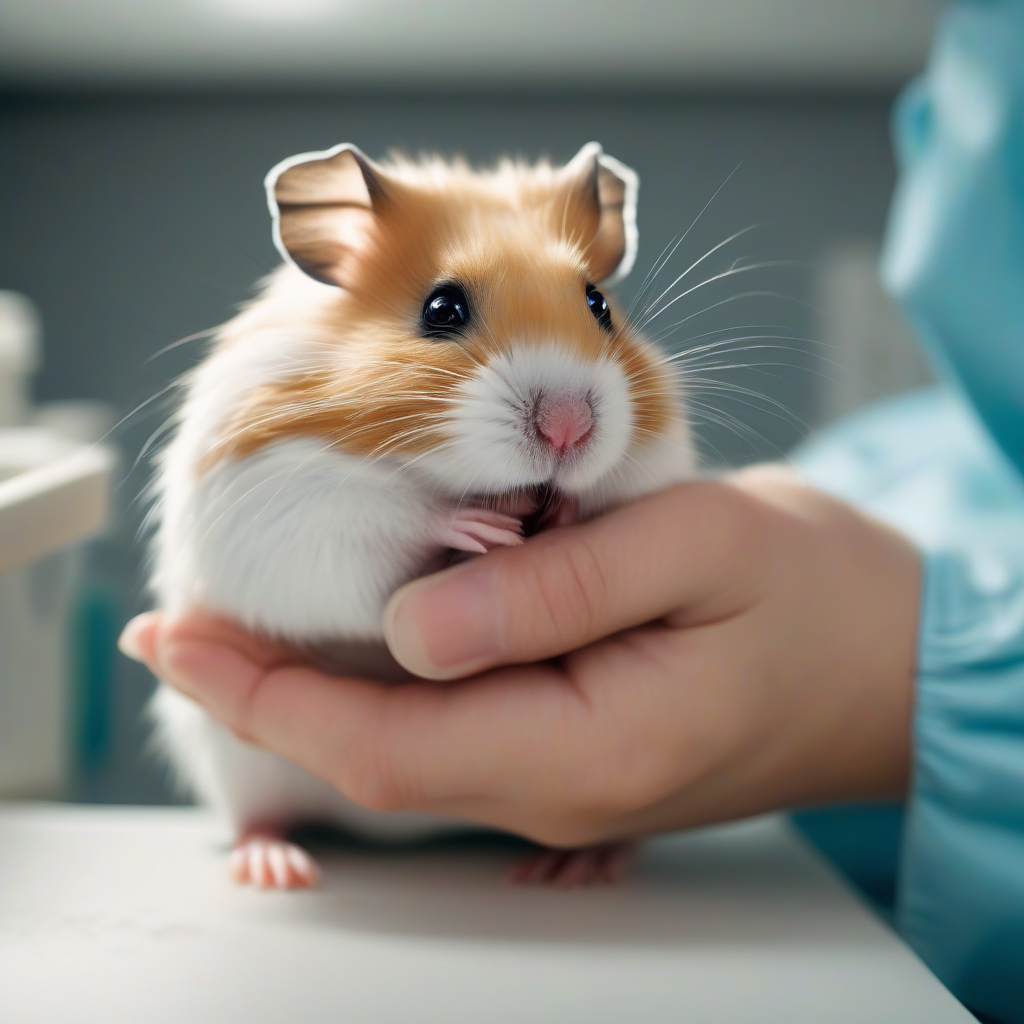
In this article, you will find comprehensive information about the insidious neurophysiological signals behind your hamster's cheek pouch impaction and lifesaving emergency intervention codes.

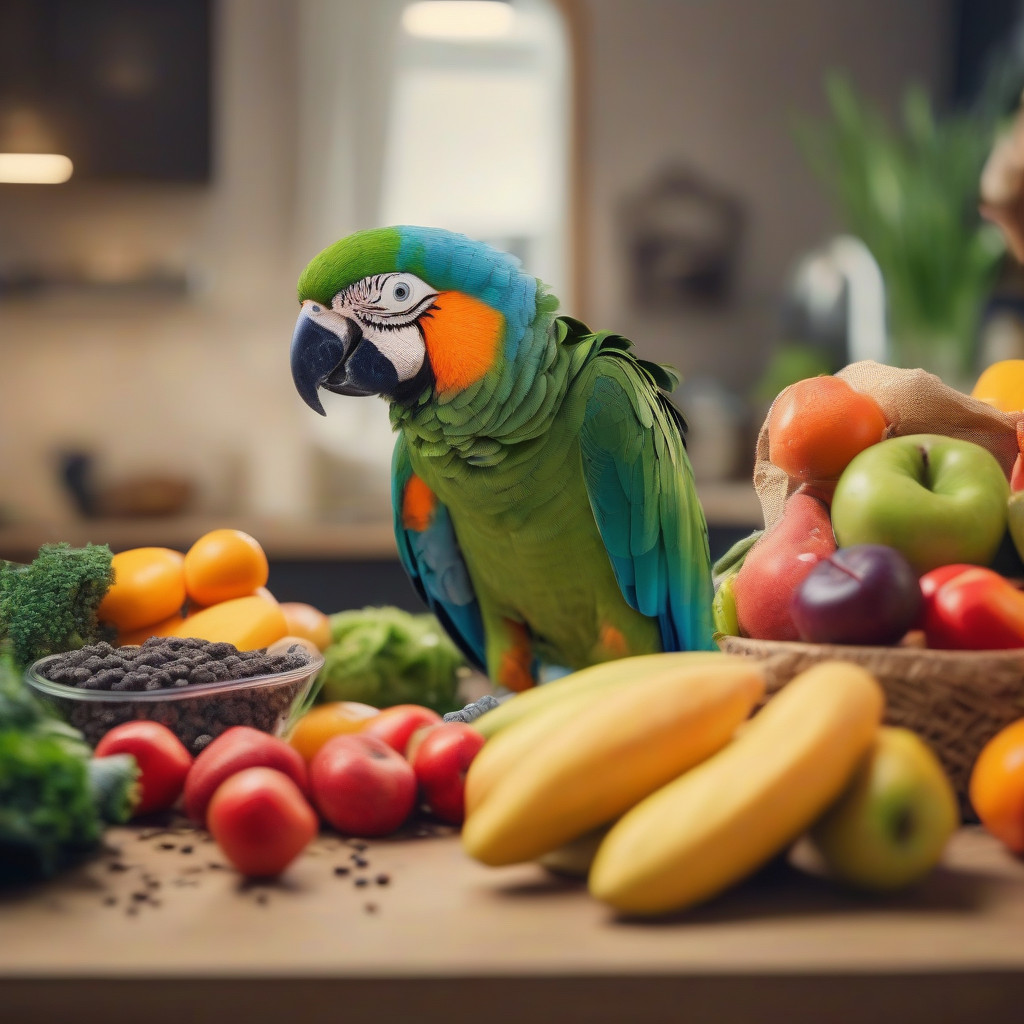
In this article, you will find comprehensive information about the insidious neurobiological effects of artificial colorings, preservatives, and flavors found in commercial bird feeds on your bird's brain health and mental vitality. We explore scientific nutritional secrets to combat these hidden dangers, shedding light on a wide spectrum of effects from behavioral changes to cognitive decline.

In this article, you can discover the scientific secrets to understanding your cat's undesirable habits, deciphering the neurocognitive mechanisms in their brain, and establishing lasting new routines.

Discover the types of burns your dog can suffer, the 5 insidious neurophysiological effects these burns create in the brain and body, and lifesaving emergency intervention strategies in this comprehensive guide. We shed light on the dangers behind forgotten household accidents from a scientific perspective.
Our pets, especially small rodents, are mysterious creatures. In their silent world, there are many neurobiological processes and vital balances that often go unnoticed. For hamsters, one of these balances involves their cheek pouches. These pouches are vital for basic survival behaviors such as storing and carrying food. However, this unique organ can sometimes turn into a "hidden time bomb": cheek pouch impaction. This condition is not just a physical obstruction; it manifests through insidious signals that deeply affect the hamster's overall neurophysiological system. In light of the latest scientific findings as of May 2026, let's explore the potential dangers in your hamster's cheek pouch and the lifesaving emergency intervention codes.
Hamsters' cheek pouches are a pair of flexible, skin-lined sacs that can extend from the oral cavity to the shoulders. They are used to transport food to their burrows and consume it later. However, these pouches can become impacted due to sticky foods, sharp-edged materials, excessively large pieces, or infections. Impaction can lead to food or other substances becoming lodged in the pouch, causing inflammation, infection, and even necrosis. This condition severely impairs the hamster's ability to eat, leading to dehydration, malnutrition, and severe pain. Neurophysiologically, impaction can cause local nerve compression, excessive transmission of pain signals to the brain, and activation of the general stress response, which manifests as behavioral changes and other systemic problems.
Cheek pouch impaction often presents with subtle signs that can be difficult to notice initially. Understanding these "insidious" signals is critical for early diagnosis and intervention.
An impacted cheek pouch directly affects a hamster's perception and ability to process food. The animal may show a loss of appetite or difficulty picking up food. Disinterest in previously favorite foods or dropping food from the mouth may be observed. This is not just a physical difficulty, but a neurobiological signal indicating that the brain's reward centers and feeding regulation circuits are affected. Your hamster's food bowl's 'hidden protein trap' or other nutritional issues can also lead to similar behavioral changes, so careful observation is essential.
Unilateral or bilateral swelling of the cheek is the most obvious physical sign of impaction. However, this swelling is not just the physical presence of accumulated substances. Increased pressure in the pouch compresses nerve endings in the surrounding tissues, generating pain and discomfort signals. This can cause tension in facial muscles and lead to an asymmetrical appearance. This neurophysiological effect disrupts the hamster's normal facial expressions and chewing movements, leading to further stress.
Hamsters tend to hide their pain by nature. However, chronic pain associated with impaction triggers specific neurocognitive responses. Teeth grinding (bruxism), reluctance to be touched, a hunched posture, reduced movement, and general lethargy are insidious indicators of severe pain. These behaviors suggest that the brain's pain perception and processing centers are overloaded, and the animal may even be reaching stress levels that could trigger sudden seizures.
Pain and discomfort can disrupt a hamster's normal behavioral repertoire. A hamster that is usually active and curious may suddenly become withdrawn, irritable, or aggressive. Behaviors such as restless pacing in the cage, constant scratching or licking of the cheek area, or, conversely, lethargy and hiding, may be observed. These are neurocognitive responses indicating that the animal's hidden risk algorithm is disrupted and stress levels are elevated.
Prolonged impaction disrupts the body's overall systemic balance. Malnutrition and dehydration deplete energy levels and cause general weakness. Infections in the pouch can lead to bacterial toxins entering the bloodstream (septicemia), causing fever, tremors, and shock. This is an extreme neurophysiological response of the body's immune and endocrine systems, representing a severe life-threatening crisis. Other emergencies, such as your hamster's 'hidden internal bleed', can also exhibit similar systemic symptoms, making differential diagnosis crucial.
If you notice signs of cheek pouch impaction in your hamster, acting without delay is vital.
The first and most important step is to consult a veterinarian specializing in small animals. The vet will perform a physical examination to determine the cause and severity of the impaction, using imaging techniques like X-rays or ultrasound if necessary. Manual evacuation of the pouch, antibiotic treatment if infection is present, or rarely, surgical intervention may be required. Attempting to empty the pouch yourself can cause further harm to your hamster.
Under veterinary supervision, you may need to provide fluid supplementation and nutritional support to prevent dehydration in your hamster. This usually involves soft, nutritious foods given with a special syringe or electrolyte solutions recommended by the vet. Supporting your hamster's secret gut shield that prevents digestive crises plays a critical role in the recovery process.
During the recovery process, it's important that your hamster's cage environment is stress-free. Clear bedding materials of elements like fluff or threads that can get caught in the pouch. Offer foods in smaller, pureed, or easily chewable forms.
Careful feeding and cage management are essential to prevent cheek pouch impaction. Never give your hamster cotton, thread, or fibrous materials. Offer fresh vegetables and fruits in small pieces. Avoid hard and sharp-edged seeds.
Understanding the "hidden time bomb" in your hamster's cheek pouch and recognizing its insidious neurophysiological signals is key to protecting your tiny friend's health. Early intervention not only alleviates pain but can also be potentially life-saving. With regular observation, appropriate nutrition, and proactive veterinary care, you can ensure your hamster lives a long, healthy, and happy life. Remember, even a small hamster possesses a complex neurobiological world, and every symptom can be a silent call for help.
