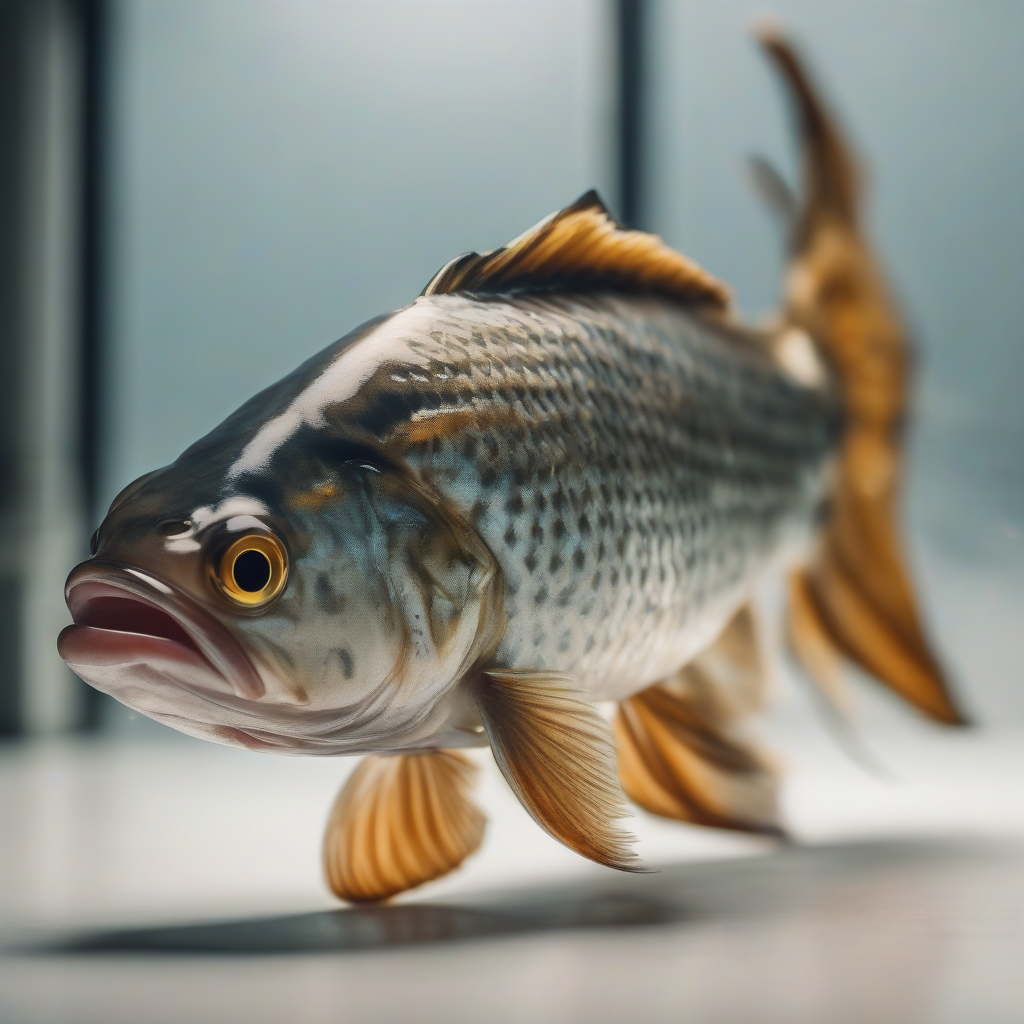
In this article, you will find comprehensive information about the complex social learning codes of fish in aquarium environments and the scientific secrets to their peaceful lives.


In this article, you will discover the 5 insidious neurobiological effects of the Encephalitozoon Cuniculi parasite, which is often overlooked in rabbits but severely affects the brain, along with lifesaving early diagnosis methods.

In this article, we will deeply explore the insidious neurobiological effects of gut microbiome imbalance (dysbiosis) on your rabbit's brain health and provide scientific-based solutions to maintain mental vitality.

In this article, you can find comprehensive information on how pancreatitis in dogs not only affects the digestive system but also insidiously impacts the brain, its neuroinflammatory mechanisms, and lifesaving emergency intervention strategies.
Fish, though often perceived as simple creatures, possess quite complex cognitive abilities and learning methods within aquarium ecosystems. Especially regarding social interactions and environmental adaptation, they utilize a profound 'cognitive map' that goes beyond our observation. This map consists of hidden codes that help them manage stress levels, understand intra-group dynamics, and maintain overall well-being.
Fish constantly learn from their conspecifics and even other inhabitants in the aquarium. This learning process is not limited to visual cues; it also occurs through subtle changes in water chemistry, vibrations, and even pheromones. For instance, if one fish observes a situation where it senses danger or finds a resource, other fish can respond more quickly and effectively in similar situations. This optimizes overall safety and resource distribution within the aquarium.
This learning process is vital, especially for fish adapting to new environments. Juvenile fish develop survival skills by mimicking the behaviors of adults. This is a form of 'social learning curve,' and the size, complexity of the aquarium, and the diversity of its inhabitants affect the speed and accuracy of this curve. Understanding these learning mechanisms is fundamental to establishing more harmonious and stress-free aquariums. For a similar social adaptation process, the principles in our article on Your Cat's 'Invisible Social Spaces' in Their New Home can be adapted to the social dynamics of fish.
Fish's 'invisible cognitive map' is not limited to positive learning. It also maps out stress sources within the aquarium. Sudden light changes, loud noises, fast water flow, or undesirable tank mates trigger stress responses in fish. These responses are not just limited to physical symptoms (rapid gill movement, tendency to hide); they also become part of an 'invisible stress signal network' that affects the overall atmosphere of the aquarium. The stress experienced by one fish can be transmitted to others via pheromones, leading to collective anxiety.
Managing this 'invisible stress signal network' is critical for the health and well-being of fish. Considering the species diversity in the aquarium, establishing harmonious coexistence and minimizing potential stressors are important. Our article titled Your Fish's 'Invisible Mind Map': Aquarium Social Codes and Stress-Triggering Unseen Factors can guide you in understanding these hidden factors. Even topics like Invisible Micro-Habitat Architecture in Fish Aquariums: Scientific Secrets of Species-Specific Hiding Places to Zero Out Stress offer in-depth solutions for strengthening fish's stress coping mechanisms.
Another crucial aspect of fish's cognitive map is their 'spatial memory.' They retain the position of every object, plant, and even currents within the aquarium in their memory. This allows them to find safe hiding places, access food sources, and evade potential threats. Especially in complex aquarium designs, how fish process this spatial information is vital for the overall balance of the aquarium.
This spatial memory shapes their hunting and evasion strategies. For example, more experienced fish are better acquainted with the 'hidden pathways' and 'safe zones' in the aquarium, and they can indirectly pass this knowledge to younger or newly introduced fish. This is a form of 'traditional knowledge' transfer, supporting the social hierarchy and cooperation within the aquarium ecosystem. The article Your Fish's Invisible 'Bio-Architecture' Secrets: Hidden Shelters for Aquarium Balance and Stress-Reducing Micro-Habitats highlights how critical this spatial organization is.
Fish communication methods are generally silent and hidden. They transmit complex messages through body language, color changes, and even water vibrations. These 'invisible communication networks' form their social structures, coordinate reproductive behaviors, and resolve intra-group conflicts. A fish's color, signaling calmness and relaxation, can inform others that there is no potential danger.
These communication methods play a significant role, especially in inter-species harmony. In aquariums with different fish species living together, understanding these hidden social codes is key to preventing conflicts and creating a harmonious environment. Our content titled Fish's 'Secret Social Life' in Aquariums: Insidious Dangers of Group Dynamics and Scientific Secrets to Peaceful Coexistence offers more in-depth information on this topic. Additionally, the article Your Fish's Hidden Social Hierarchy in Aquariums: Scientific and Stress-Reducing Ways to Introduce New Species provides scientific approaches on how to integrate new members into the group.
It's important to remember that each fish develops different learning strategies based on its individual experiences and genetic predispositions. Some fish learn faster, while others may require repeated exposure. This individuality enriches the overall learning dynamic in the aquarium. In the aquarium hobby, understanding the individual learning capacities of fish allows us to develop more patient and effective training approaches.
In conclusion, the 'cognitive map' of fish in aquariums is a fundamental element for their survival, socialization, and maintenance of well-being. Understanding and respecting these hidden codes will help us create healthier, happier, and more balanced aquarium ecosystems. For example, the article Your Fish's 'Invisible Classroom': 5 Scientific Tips for Learning Water Quality Parameters scientifically explains how crucial learning basic water parameters is for fish. This is part of their overall cognitive development.
