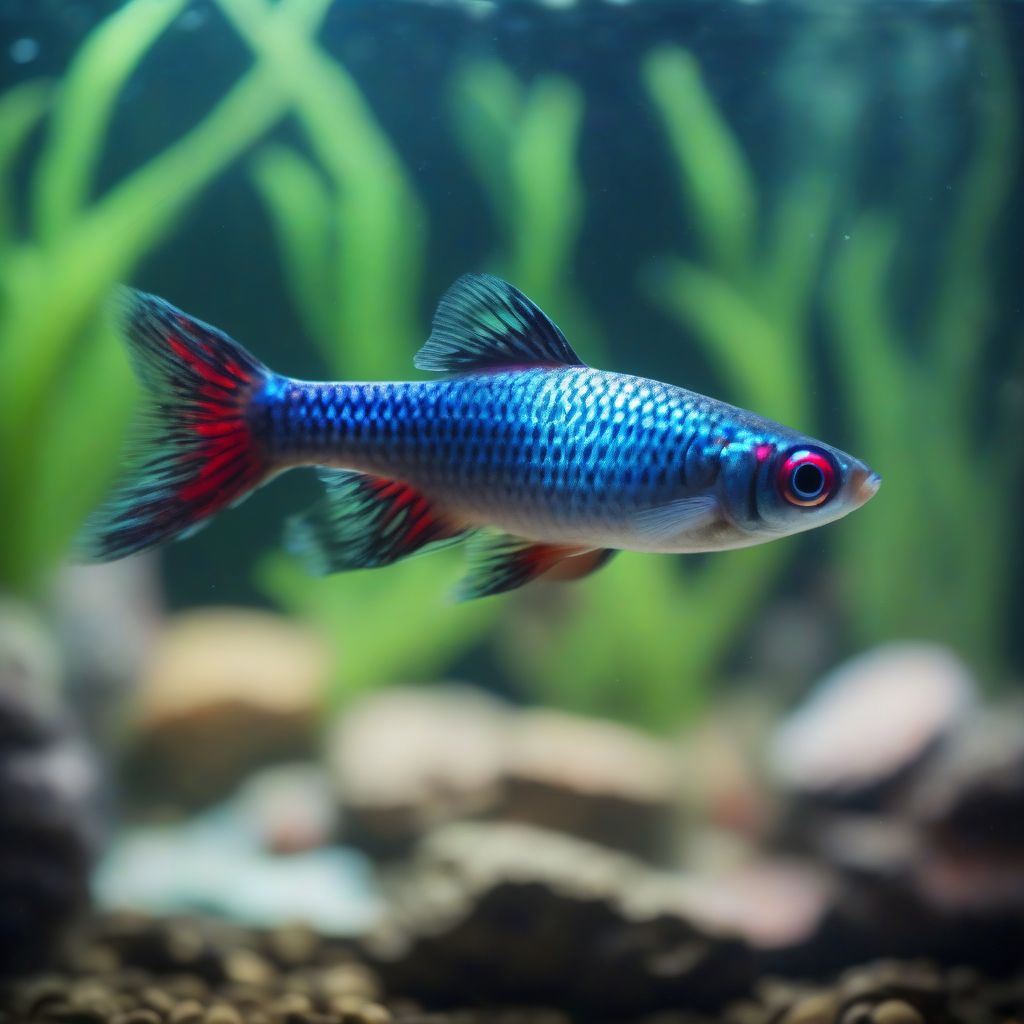
In this article, you will discover the scientific secrets of your fish's vital osmoregulation process, the insidious signs that emerge during a crisis, and lifesaving 5-minute emergency intervention protocols. Understand the invisible traps threatening fish health in your aquarium and proactively safeguard their well-being.


In this article, we will deeply explore the insidious neurobiological effects of gut microbiome imbalance (dysbiosis) on your rabbit's brain health and provide scientific-based solutions to maintain mental vitality.

In this article, you can find comprehensive information on how pancreatitis in dogs not only affects the digestive system but also insidiously impacts the brain, its neuroinflammatory mechanisms, and lifesaving emergency intervention strategies.

Discover the 5 insidious effects of overfeeding, one of the most stealthy threats to your fish's health, causing neurometabolic destruction in their brains, and learn scientific feeding strategies to prevent this demise. Uncover the silent danger in your aquarium!
Did you know that beneath the serene waters of your aquarium, your fish's life is a constant, unseen battlefield? This battle is called Osmoregulation. Hard to notice from the outside, yet potentially fatal within seconds during a crisis, this vital process forms the foundation of fish health. As of March 2026, it's more crucial than ever for pet fish owners to look beyond water quality and understand the cellular struggle of their aquatic companions. In this article, we will scientifically delve into this hidden balance within your fish's internal world, decipher the insidious factors that trigger a crisis, and most importantly, outline step-by-step emergency intervention protocols to save a life during an osmoregulation crisis.
Fish are creatures whose lives are entirely dependent on water. However, "water" is not just a habitat for fish; it's also a constant arena for physiological struggle. Osmoregulation is the process by which fish actively maintain the balance of water and salts within their bodies. Depending on the salinity of their surrounding water (freshwater or saltwater), fish cells are constantly prone to either losing or gaining water. When this delicate balance is disrupted, fish face a situation called "osmoregulation crisis," which results in their cells swelling or shrinking. This condition directly impacts the fish's overall health and behavioral well-being. These often-overlooked 'invisible traps' can be the real cause behind your fish's sudden illnesses or deaths.
Osmoregulation is a complex biological process for which fish constantly expend energy to survive. This process is primarily carried out through specialized cells found in the gills, kidneys, and, to a lesser extent, the skin. These organs are equipped with microscopic pumps and channels (such as Na+/K+ ATPase pumps and aquaporins) that control the movement of water and ions (sodium, chloride, etc.) both in and out of the body.
The body fluids of freshwater fish are more concentrated (hypertonic) than the water around them. This means, by physical laws, water continuously and passively enters the fish's body through its gills and skin. To prevent excessive water intake, fish actively excrete water by producing large amounts of dilute urine. At the same time, to compensate for vital salts lost, they actively absorb ions from the water through chloride cells in their gills. This is a continuous "pump water out, absorb salt in" cycle.
Saltwater fish, on the other hand, face the opposite problem. Their body fluids are less concentrated (hypotonic) than the surrounding seawater. In this situation, there is a continuous outflow of water from the fish's body into the water. To prevent dehydration, saltwater fish constantly drink seawater and actively excrete excess salt through chloride cells in their gills. Their kidneys produce very little concentrated urine to minimize water loss. This can be summarized as the "drink water, excrete salt" cycle.
There are many "invisible traps" in the aquarium environment that can challenge a fish's osmoregulation system. These factors can disrupt the fish's internal balance, leading to serious health issues:
The symptoms of an osmoregulation crisis can often be confused with other diseases, making early diagnosis difficult. However, a careful observer can catch these 'alarm' signals:
When you observe signs of an osmoregulation crisis in your fish, quick and correct intervention can be lifesaving:
An osmoregulation crisis can be largely prevented with correct preventive measures:
Remember, the silent inner world of your fish thrives with scientifically based care and understanding from you. Unlocking the secrets of osmoregulation is key to providing them with a long, healthy, and happy life.
