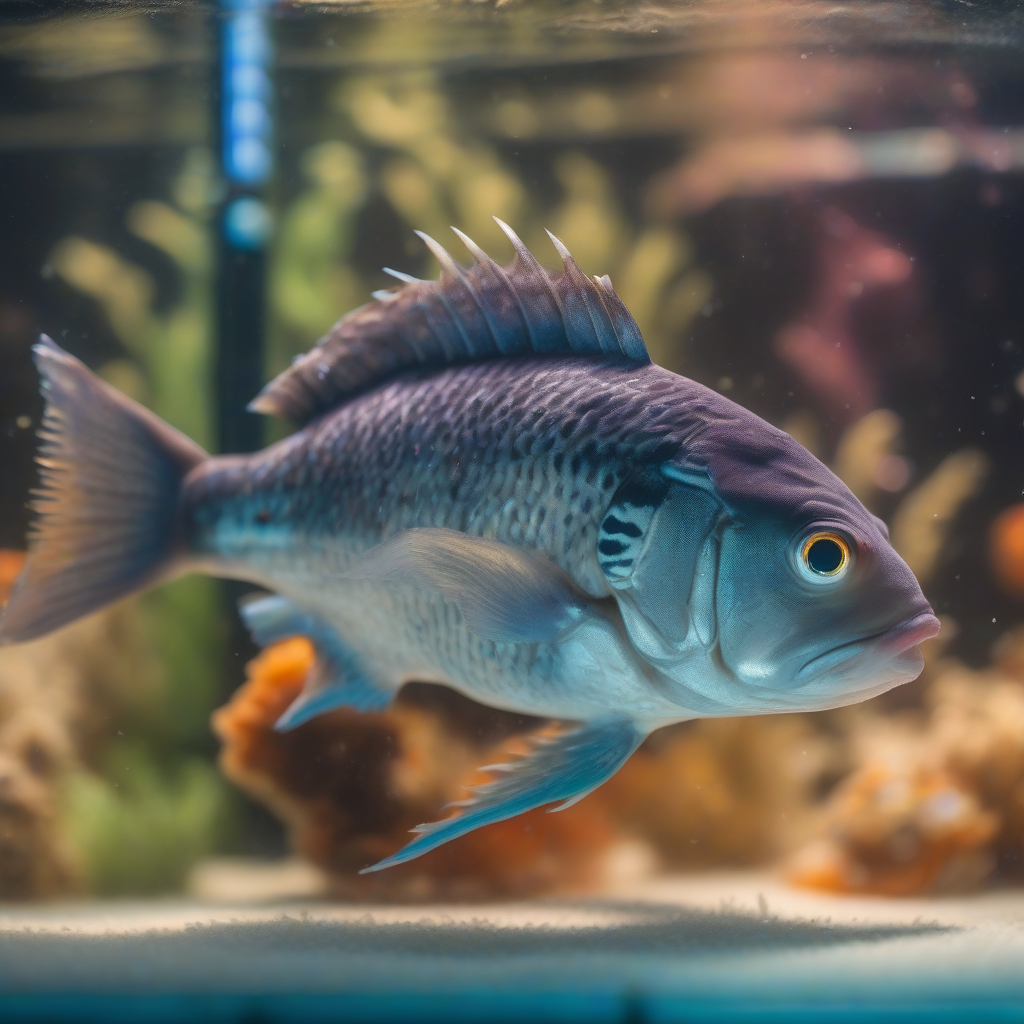
In this article, you will find a scientific approach to your fish's overlooked signals for sudden thermal shock, its physiological effects, and lifesaving 5-minute emergency intervention strategies. Learn how to prevent this silent danger in your aquarium and how to save your aquatic companion.


In this article, you will discover the 5 insidious neurobiological effects of the Encephalitozoon Cuniculi parasite, which is often overlooked in rabbits but severely affects the brain, along with lifesaving early diagnosis methods.

In this article, we will deeply explore the insidious neurobiological effects of gut microbiome imbalance (dysbiosis) on your rabbit's brain health and provide scientific-based solutions to maintain mental vitality.

In this article, you can find comprehensive information on how pancreatitis in dogs not only affects the digestive system but also insidiously impacts the brain, its neuroinflammatory mechanisms, and lifesaving emergency intervention strategies.
Your aquarium is like a meticulously constructed micro-universe for your fish. One of the most critical parameters of this delicate ecosystem is water temperature. Many of us are aware that sudden chemical poisoning or oxygen deficiency can be fatal; however, there is an insidious, overlooked threat: Thermal shock. Fish are extremely sensitive to temperature changes, and sudden heat fluctuations can create a domino effect, leading to the collapse of their body systems, which we can call their "invisible freezing point." As of March 2026, despite advancements in aquarium technology, human errors such as heater malfunctions, power outages, or incorrect water changes are still common scenarios that can lead to thermal shock. In this article, we will delve into the scientific mechanism behind thermal shock, its subtle signs, and most importantly, the 5-minute emergency intervention strategies that can save your aquatic companion's life.
Thermal shock is a condition where the temperature of the water fish live in changes dramatically in a short period. This change can be either a sudden cooling (hypothermic shock) or a sudden heating (hyperthermic shock). As cold-blooded creatures, fish match their body temperature to their environment. This dependence means their metabolic processes, digestive enzyme activity, immune system, and even respiratory capacity are highly sensitive to water temperature.
Sudden drops in temperature dangerously slow down a fish's metabolism, disrupt enzyme activity, and suppress the immune system. This breaks the fish's resistance to diseases and can lead to the cessation of bodily functions. Conversely, sudden increases in temperature excessively accelerate metabolism, increase oxygen consumption, and can cause denaturation (structural breakdown) of cellular proteins. Both scenarios can be fatal for fish. This situation is frequently observed when water temperature is not adjusted correctly during water changes or when heaters malfunction. It is important to remember that your fish are also sensitive to other parameters in the aquarium, such as [Your Fish's Invisible Stress Source: Insidious Dangers of pH and Hardness Fluctuations in the Aquarium and the Scientific Secrets to Their Solution!].
The symptoms of thermal shock can appear rapidly, and accurate diagnosis is crucial for early intervention. Here are the main insidious signals you should watch out for:
If you notice any of these symptoms, you must act without delay.
Every second counts in a thermal shock situation. Here are the scientifically based steps you should follow in an emergency:
Remember how sensitive your fish's internal organs, such as their [Your Fish's 'Invisible Swim Balancer': Insidious Signals of Swim Bladder Problems and 5 Lifesaving Scientific Strategies!], are to water quality and temperature. Early diagnosis and correct intervention are vital for your fish to live a long and healthy life. Remember, the well-being of these silent creatures is entirely in your hands.
