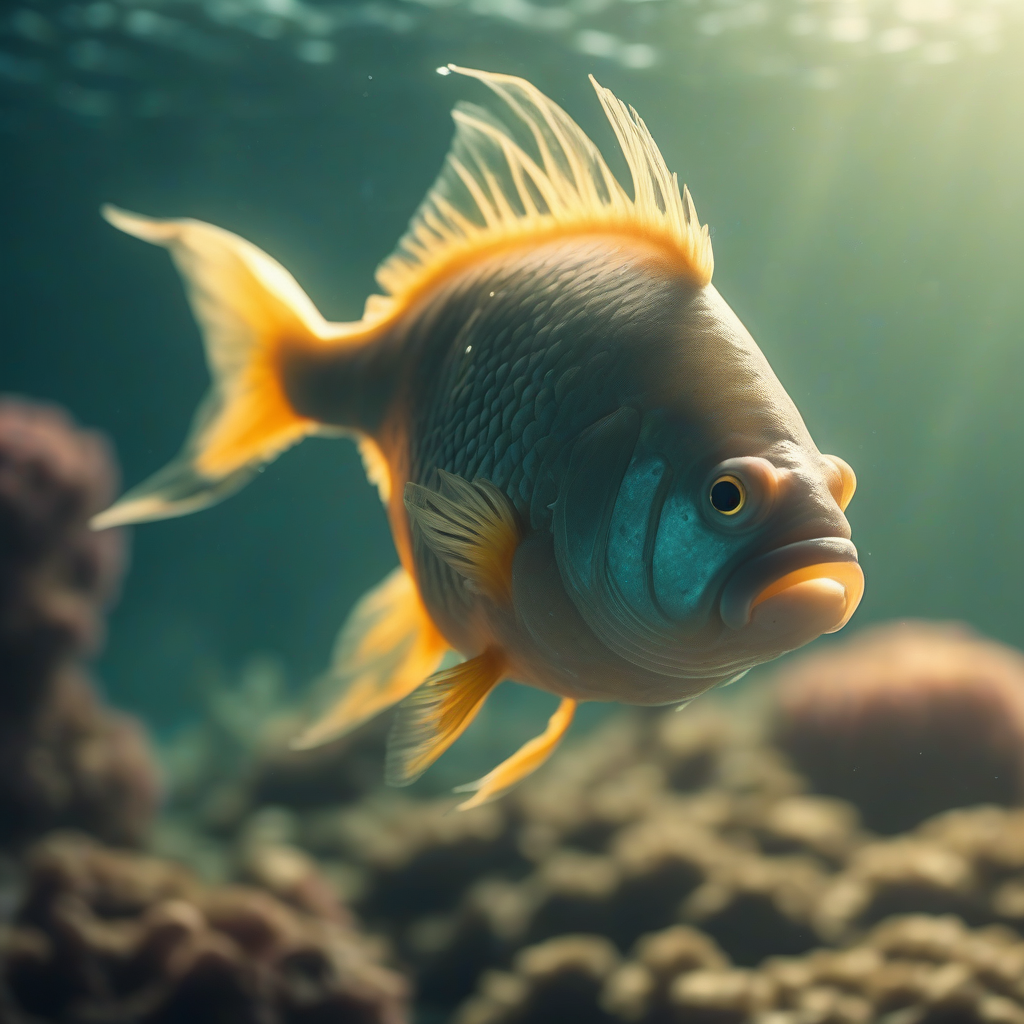
Discover little-known facts about your fish's swim bladder health. Learn the 5 neurophysiological signs of sudden balance loss and lifesaving scientific interventions.


Discover the types of burns your dog can suffer, the 5 insidious neurophysiological effects these burns create in the brain and body, and lifesaving emergency intervention strategies in this comprehensive guide. We shed light on the dangers behind forgotten household accidents from a scientific perspective.

Discover the neurobiological signals of hidden stress your newly adopted cat experiences during adaptation to a new social environment. This article reveals 5 insidious signs of your cat's silent struggle and scientific strategies for peaceful, long-term harmony.

Your dog's anal sacs, located beneath the tail, can be hidden alarm bells often overlooked but profoundly affecting their quality of life. In this article, you will discover the 5 insidious neurobiological effects of anal sac problems on the brain and the lifesaving care secrets you need to know for your furry friend to live a peaceful life.
The colorful world in your aquarium is not just an aesthetic reflection of your little friends' lives, but also an indicator of a complex biological system. Especially the health of fish is determined by subtle signals that are not easily discernible from the outside. One of the most critical of these signals is potential problems with the swim bladder, a vital organ that allows fish to stay upright, change direction, and swim without sinking. Swim bladder dysfunction can pose a serious health threat to fish, and early diagnosis and proper intervention are crucial for survival.
The swim bladder is typically a gas-filled sac that enables fish to regulate their buoyancy in water. Any disturbance in the function of this organ can lead to loss of control and various behavioral changes in the fish. These changes not only reduce the fish's quality of life but can also be a precursor to more serious health issues.
Your fish suddenly floating to the surface and swimming upside down, or conversely, rapidly sinking to the bottom, are among the most obvious signs of swim bladder problems. This condition can arise from reasons such as a disruption in the swim bladder's gas balance or inflammation of the sac. Neurophysiologically, this indicates a severe impact on the fish's internal balance mechanism. It's the body's vestibular system, responsible for spatial orientation, struggling to cope with abnormal buoyancy.
Your fish constantly lying on its side, flipping onto its back, or staying head-down indicates a loss of symmetrical function of the swim bladder. This can occur if one side of the swim bladder collects more gas or is damaged. Brain regions responsible for coordinating balance and movement, such as the cerebellum and the lateral line system, struggle to adapt to this asymmetric posture, leading to uncontrolled movements.
Your fish being unable to swim in a straight line, constantly spinning, jerking, or making random movements is a sign of impaired neuromuscular coordination. Swim bladder issues can exert pressure on the nervous system or impede signal transmission through inflammation. This directly affects the fish's cerebellum's ability to coordinate muscle movements.
When the swim bladder enlarges or becomes inflamed, it can put pressure on adjacent organs. This can affect the digestive system, causing the fish to have difficulty eating, regurgitate food, or experience a loss of appetite. The brain may perceive this constant discomfort as pain, leading to a lack of responsiveness towards eating. This prevents the fish from meeting its basic nutritional needs, negatively impacting overall health.
A fish that is less active than usual, constantly resting at the bottom or in a corner of the aquarium, can be a hidden symptom of swim bladder problems. The body's continuous effort to maintain balance can lead to rapid energy depletion. Furthermore, inflammation or infection in the swim bladder can cause general weakness and a drop in energy levels. This leads to a general slowing of the nervous system and makes the fish less responsive.
When these symptoms are noticed, prompt and correct intervention is vital. Consulting a veterinarian is the most appropriate step, but there are also some scientifically supported methods you can implement at home:
Swim bladder dysfunction is a condition that can silently progress in the world of fish but has serious consequences. Understanding these neurophysiological signals and implementing the correct scientific interventions are the most important steps towards ensuring your little friends live healthier and happier lives.
