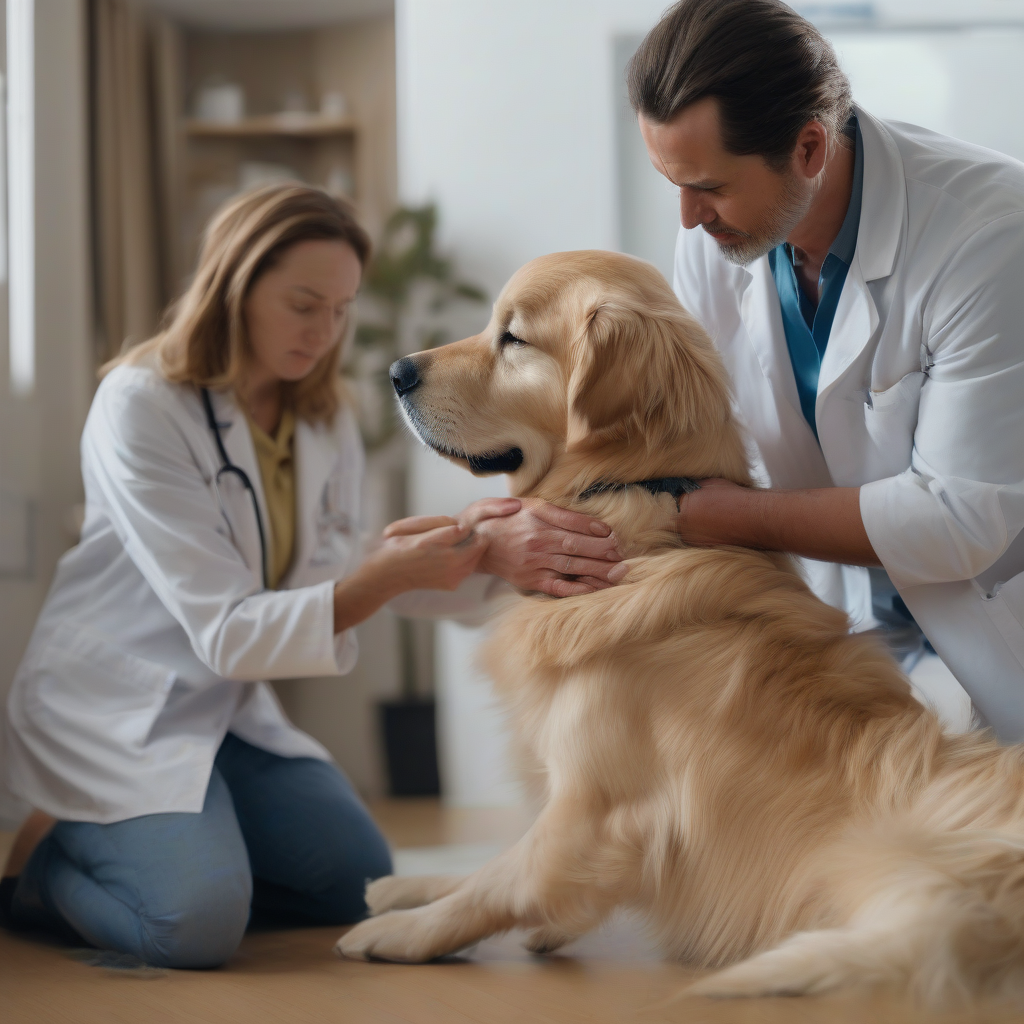
Discover the hidden signs of SIBO (Small Intestinal Bacterial Overgrowth) threatening your dog's gut health and learn lifesaving scientific intervention methods.


In this article, we will deeply explore the insidious neurobiological effects of gut microbiome imbalance (dysbiosis) on your rabbit's brain health and provide scientific-based solutions to maintain mental vitality.

In this article, you can find comprehensive information on how pancreatitis in dogs not only affects the digestive system but also insidiously impacts the brain, its neuroinflammatory mechanisms, and lifesaving emergency intervention strategies.

Discover the 5 insidious effects of overfeeding, one of the most stealthy threats to your fish's health, causing neurometabolic destruction in their brains, and learn scientific feeding strategies to prevent this demise. Uncover the silent danger in your aquarium!
As dog owners, we prioritize our companions' health above all else. However, sometimes, despite our most loving care, insidious problems can arise within our furry friends' bodies, often going unnoticed. One such condition is Small Intestinal Bacterial Overgrowth (SIBO), a growing concern in veterinary medicine.
SIBO is fundamentally characterized by an imbalance in the beneficial bacteria normally present in your dog's small intestine, leading to an overgrowth of harmful bacteria. This imbalance disrupts the complex workings of the digestive system, potentially causing a cascade of health issues.
The most unsettling aspect of SIBO is often its delayed diagnosis and the initially vague nature of its symptoms. When the balance of beneficial microorganisms, acting as your dog's 'gut guardians,' is disturbed, the digestive process falters. This can impede nutrient absorption and may lead to inflammation of the intestinal lining. Just as the importance of the thyroid gland is highlighted in the article Your Dog's Invisible "Thyroid Whispers": The Insidious Collapse of Metabolic Balance and 5 Lifesaving Early Signals!, maintaining a balanced gut microbiome plays a critical role in overall health.
Here are some subtle signs that might indicate SIBO in your dog:
While these symptoms alone may not definitively diagnose SIBO, they provide strong reasons for a thorough examination by a veterinarian.
If your veterinarian diagnoses your dog with SIBO, do not despair. Modern veterinary medicine offers effective strategies to manage this condition and improve your dog's quality of life.
The cornerstone of SIBO treatment typically involves specific antibiotics prescribed by your veterinarian. These medications target and eliminate the overgrown harmful bacteria in the small intestine, helping to create a balanced environment for beneficial bacteria to thrive. The choice of antibiotic is determined by your dog's overall health status and the severity of the infection.
One of the most critical components of treatment is dietary management. Specialized diets used for SIBO treatment typically contain ingredients that are easily digestible and do not feed the overgrowing bacteria. Specially formulated foods, such as those with hydrolyzed proteins or specific carbohydrate sources, help the intestines rest and heal. This approach is fundamental to your dog's digestive health, much like the importance of the digestive system for different species discussed in Your Hamster's Secret 'Digestive Treasury': Scientific Secrets of the Dual Stomach System and Optimal Nutrition Revolution!.
Following the completion of antibiotic therapy, or in conjunction with it, probiotic and prebiotic supplements may be recommended to aid in the re-colonization of beneficial gut bacteria. Probiotics contain live beneficial bacteria, while prebiotics are fibrous components that help nourish these bacteria. This support plays a crucial role in maintaining long-term gut microbiome health.
SIBO often stems from another underlying digestive issue. These causes can include pancreatic insufficiency, inflammatory bowel disease (IBD), food allergies, or immune deficiencies. For treatment to be successful, it is vital for your veterinarian to diagnose these underlying causes and implement specific treatments accordingly. This emphasizes the importance of addressing a root health problem, much like what is highlighted in Your Cat's 'Silent Killer': Overlooked Hypertension Signals and Lifesaving Early Diagnosis Secrets!.
As SIBO can be a chronic condition, successful treatment requires regular veterinary check-ups and follow-up. Your veterinarian will monitor your dog's progress, evaluate their response to treatment, and adjust the treatment plan as needed. Early intervention and continuous monitoring are key to optimizing your dog's gut health.
Remember, your dog's health is in your hands. If you notice any signs that might indicate SIBO in your companion, consult a veterinarian without delay. Early diagnosis and appropriate scientific interventions can ensure your dog lives a healthier and happier life. Your attentiveness and informed approach directly impact your dog's quality of life.
