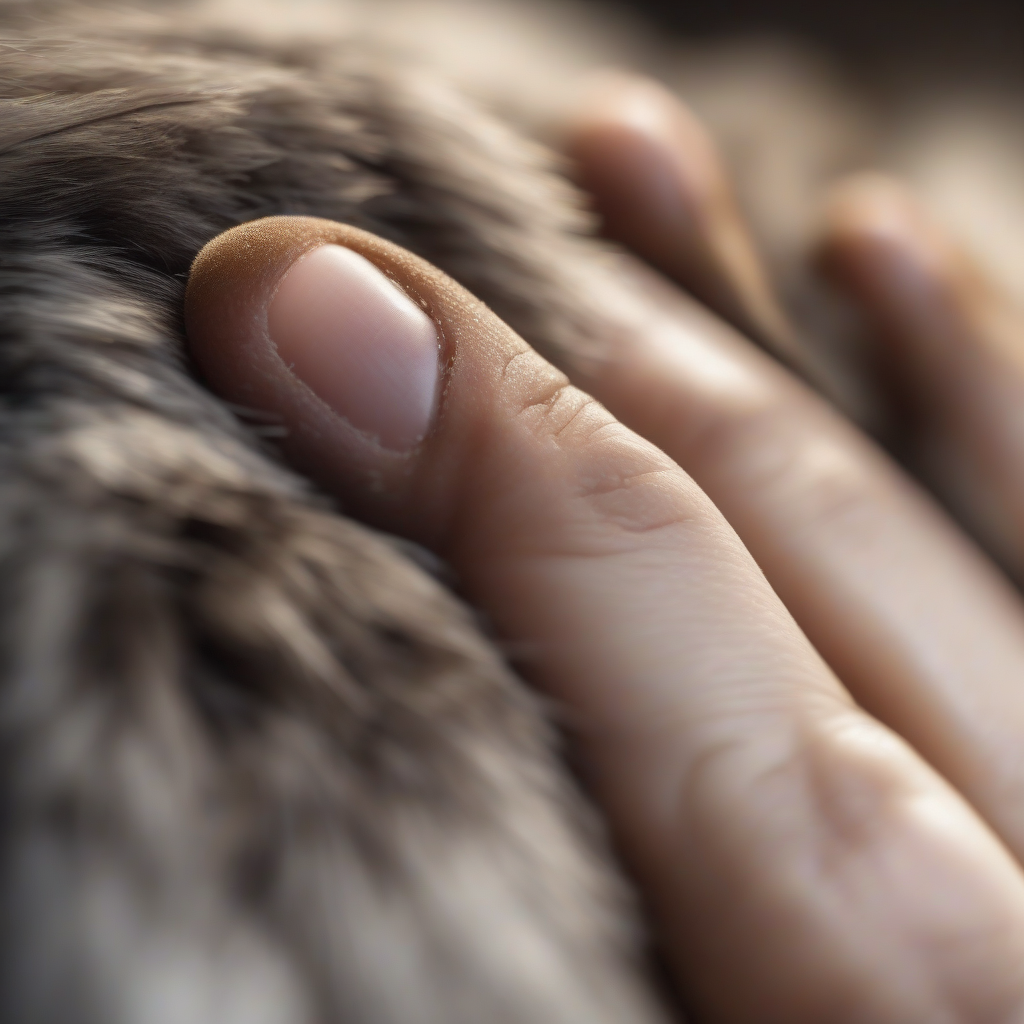
In this article, you will discover overlooked scientific factors threatening your dog's nail health, from microbes to cracks, and explore protection strategies in detail.


In this article, we will deeply explore the insidious neurobiological effects of gut microbiome imbalance (dysbiosis) on your rabbit's brain health and provide scientific-based solutions to maintain mental vitality.
In this article, you can find comprehensive information on how pancreatitis in dogs not only affects the digestive system but also insidiously impacts the brain, its neuroinflammatory mechanisms, and lifesaving emergency intervention strategies.

Discover the 5 insidious effects of overfeeding, one of the most stealthy threats to your fish's health, causing neurometabolic destruction in their brains, and learn scientific feeding strategies to prevent this demise. Uncover the silent danger in your aquarium!
Your dog's energetic paws explore the world with every step. Yet, among the quietest heroes of these explorations are their nails, often overlooked "health laboratories." While they may seem like mere extensions, nails offer invaluable insights into your dog's general health, nutrition, and even environmental stress. As veterinarians, we understand that nails are not just a cosmetic feature but a reflection of deep biological and physiological processes. As of March 2026, with advancements in modern veterinary science, we reveal 5 overlooked scientific factors threatening your dog's nail health and how you can proactively protect them.
Nails are vital for your dog's balance, traction on various surfaces, and natural behaviors. Long or poorly maintained nails can lead to pain, gait abnormalities, joint problems, and even behavioral issues. Therefore, nail care is not merely a cosmetic procedure but a health necessity that directly impacts your dog's quality of life.
Dog nails are composed of a hard protein called keratin and are directly connected to bone structure. They contain blood vessels and nerve endings, forming the "quick," which requires careful attention during trimming. The shape, hardness, and growth rate of nails vary depending on the dog's age, breed, activity level, and most importantly, overall health status.
Your dog's nails are exposed to all the challenges of the external world. However, some threats may not be immediately apparent and can silently erode paw health.
Moist environments, small cuts, or micro-traumas create a perfect breeding ground for bacteria and fungi (especially Dermatophytes) in the nail bed. Infections can manifest as discoloration of the nail (yellowing, darkening), brittleness, flaking, and a foul odor. The area between the paw pads and the nail is particularly critical, as moisture can get trapped, and microorganisms can easily settle.
Scientific Solution: Regular paw hygiene, appropriate antifungal/antibacterial shampoos, and topical or systemic medications under veterinary supervision are crucial. If you observe similar paw ailment symptoms in your dog, you should be vigilant against symptoms similar to those mentioned in our article Your Rabbit's 'Hidden Paw Wounds': Insidious Signals of Pododermatitis and Scientific Solutions for Painless Steps!; although the species differs, the origins of paw problems can be based on similar biological principles.
Constant walking on hard surfaces like concrete and asphalt can cause microscopic cracks in the nails. These cracks can deepen over time, inviting pain and infections. Overly long nails can bend inwards or break under pressure. Some breeds (e.g., hunting breeds like Beagles or Basset Hounds) may be more prone to cracking due to their nail structure.
Scientific Solution: Regularly trimming your dog's nails, without damaging the "quick," is essential. Balancing walks on different surfaces and using paw protective balms can help reduce mechanical stress.
Nails are tissues rich in keratin, and keratin synthesis requires specific proteins, vitamins (especially biotin), and minerals (zinc, sulfur). Inadequate nutrition can lead to nail weakness, brittleness, slow growth, or abnormal shapes. For example, a deficiency in omega-3 fatty acids can increase inflammation in the nail bed.
Scientific Solution: Choosing a high-quality, balanced commercial diet is vital. Discussing biotin, zinc, or omega-3 supplements with your veterinarian, especially for nail and skin health, might be considered. Remember, as discussed in our article Stop Your Dog's Hair Loss Shock: Fight Not Seasonal, But With Your Health's Hidden Indicators!, coat and nail health are often indicators of the body's overall nutritional status.
Excessively humid environments can cause nails to soften and become more susceptible to infections, while overly dry air can lead to dry and cracked nails. The humidity level in your home, chemicals used for floor cleaning, and the condition of your dog's sleeping area directly affect nail health. For instance, as highlighted in Your Dog's 'Invisible Thermal Map': Hidden Stress Sources of Heat Bridges in the Home and the Art of Creating Optimal Comfort Zones!, environmental factors impact overall well-being, and can directly affect paw health.
Scientific Solution: Carefully drying your dog's paws, especially after rainy or snowy weather, keeping the hair around the nails short, and using appropriate moisturizers are important.
Nail changes can sometimes be an early sign of more serious underlying systemic diseases. Hypothyroidism (underactive thyroid gland), autoimmune diseases like lupus, skin conditions like pemphigus, or even certain tumors can manifest as brittleness, shedding, malformation, or susceptibility to infections in the nails. Just as with hypertension mentioned in Your Cat's 'Silent Killer': Overlooked Hypertension Signals and Lifesaving Early Diagnosis Secrets!, abnormal changes in nails can be important health signals that the body gives "silently."
Scientific Solution: If you notice sudden or unexplained changes in your dog's nails, you should consult a veterinarian immediately. Early diagnosis and treatment are critical for halting the progression of the underlying disease.
An integrated approach is necessary to protect your dog's nail health.
Perform weekly paw checks. Monitor nail length and prevent overgrowth. Use proper nail clippers or a grinder to trim without damaging the quick. If you are unsure, seek help from your veterinarian or a professional groomer.
With your veterinarian's recommendation, supplements containing biotin, zinc, and essential fatty acids can strengthen nail structure. Management of any underlying metabolic or hormonal imbalances (e.g., diabetes) will also positively affect nail health.
Ensure that the flooring in the areas where your dog spends time is suitable for their nails. Avoid prolonged exposure to hard and abrasive surfaces. Regularly cleaning and drying their paws minimizes the risk of infection.
Conclusion: Your dog's nails are a sensitive barometer of their overall health. The diligent care and awareness you show them will keep their paws comfortable and healthy, while also helping you detect potential health issues in their early stages. May every step your dog takes be a journey filled with healthy nails!
