In this article, we will delve into the insidious nature of feline hypertension, its often-missed early signs, and the vital diagnostic and treatment methods essential for protecting your cat's health.


In this article, we will deeply explore the insidious neurobiological effects of gut microbiome imbalance (dysbiosis) on your rabbit's brain health and provide scientific-based solutions to maintain mental vitality.

In this article, you can find comprehensive information on how pancreatitis in dogs not only affects the digestive system but also insidiously impacts the brain, its neuroinflammatory mechanisms, and lifesaving emergency intervention strategies.

Discover the 5 insidious effects of overfeeding, one of the most stealthy threats to your fish's health, causing neurometabolic destruction in their brains, and learn scientific feeding strategies to prevent this demise. Uncover the silent danger in your aquarium!
Everything might seem perfectly normal in your cat's daily routine. They play, eat, and spend time with you. However, beneath this apparent calm, a silent enemy could be advancing, potentially leading to serious health issues: Feline Hypertension, or high blood pressure in cats. Much like its human counterpart, high blood pressure in cats often progresses without obvious symptoms, making it a true 'silent killer'. Early diagnosis and intervention are vital, yet the condition often goes unnoticed until it reaches a critical stage.
Cats, by their very nature, tend to hide their weaknesses. This evolutionary survival mechanism helps protect them from predators or other feline threats. However, as pets, this instinct can translate into a tendency to mask signs of illness. Hypertension often arises as a consequence of an underlying condition (such as kidney disease or hyperthyroidism), which further complicates the identification of symptoms. When your cat has high blood pressure, they may not experience pain or significant discomfort, making it difficult for owners to realize there's a problem initially.
Blood pressure measurement in cats is not a routine part of a standard veterinary check-up and is usually performed only when there's a specific suspicion. This allows the disease to progress, potentially leading to irreversible organ damage.
The early signs of hypertension in your cat are often very subtle and can be easily mistaken for other signs of aging. Here are some 'silent' signals to watch out for:
Hypertension can occur in cats of all ages, but it is more common in senior cats, especially those aged 7 years and older. Additionally, cats with certain health conditions are at higher risk:
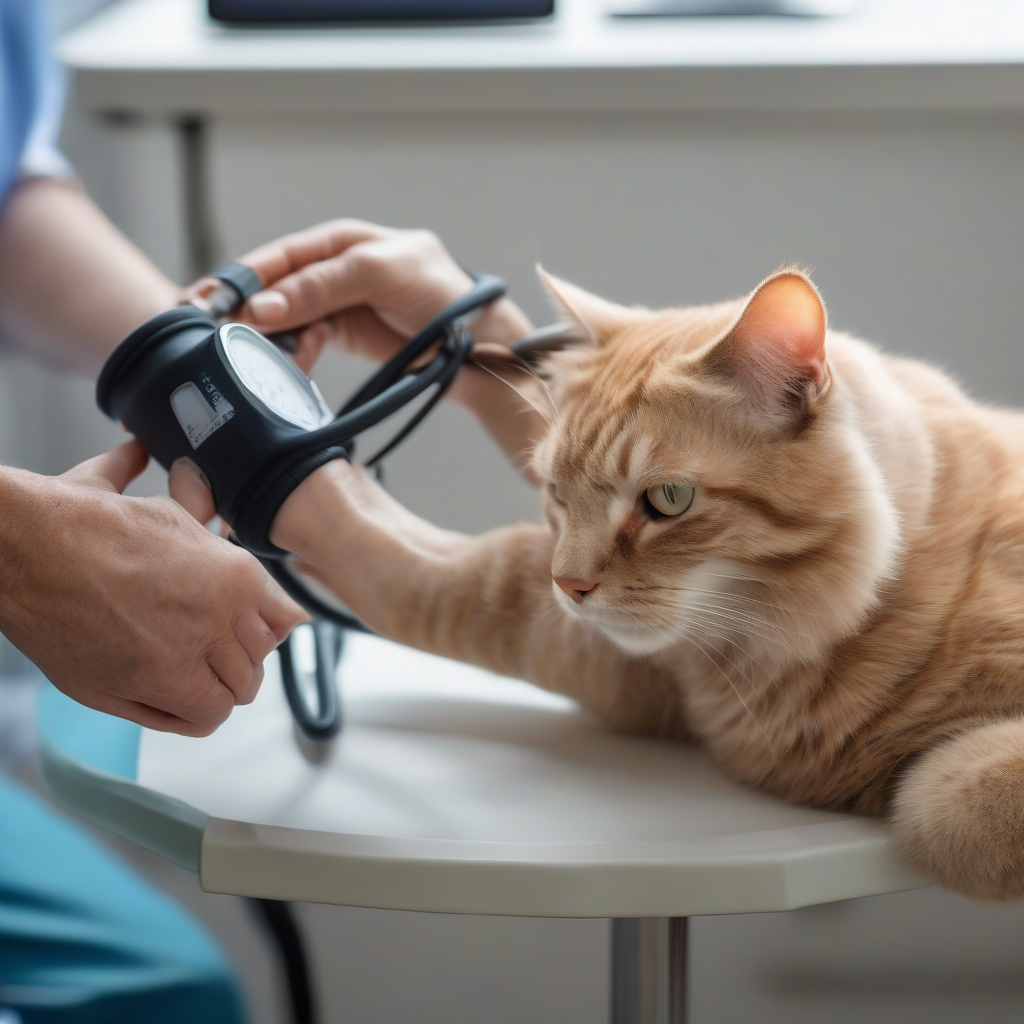
Diagnosis of hypertension in cats is made by a veterinarian through blood pressure measurement. This procedure, similar to that in humans, is typically performed using a special cuff placed on the cat's leg or tail. To ensure the cat is not stressed, it is done in a calm environment and repeated several times to obtain accurate results.
If your cat is diagnosed with hypertension, the treatment plan usually includes antihypertensive medications and strategies to manage the underlying cause. Approaches such as special diets for cats with kidney disease and medication or radioactive iodine therapy for hyperthyroidism may be applied. Regular veterinary check-ups are vital to monitor drug efficacy and adjust dosages.
Home Support: Providing your cat with a calm, stress-free environment contributes positively to their overall health. Adhering to dietary changes recommended by your vet and ensuring they drink plenty of water are also crucial parts of the management strategy. Remember, your cat's comfortable and peaceful life will also positively affect their response to treatment.
Feline hypertension is an insidious disease that, when diagnosed early, can often be managed successfully, but if overlooked, can lead to severe and permanent organ damage. Paying attention to even the slightest changes in your cat's behavior, not neglecting routine veterinary check-ups, and requesting regular blood pressure measurements, especially for cats in risk groups, can directly impact their quality and duration of life. Learn to listen to the 'silent' stories your cat tells you and be a proactive health advocate for them.
