
In this article, you will find comprehensive information on the 'silent choking' risk your dog faces from swallowed foreign objects, 5 insidious neurophysiological signs, and lifesaving emergency intervention strategies.


In this article, you will discover the little-known but profound effects of the acoustic environment in rabbit living spaces on their brain health and general well-being, exploring the neurobiological consequences of both sound deprivation and overstimulation, and scientific secrets to creating a peaceful environment. Understand and optimize your rabbit's world with expert tips.
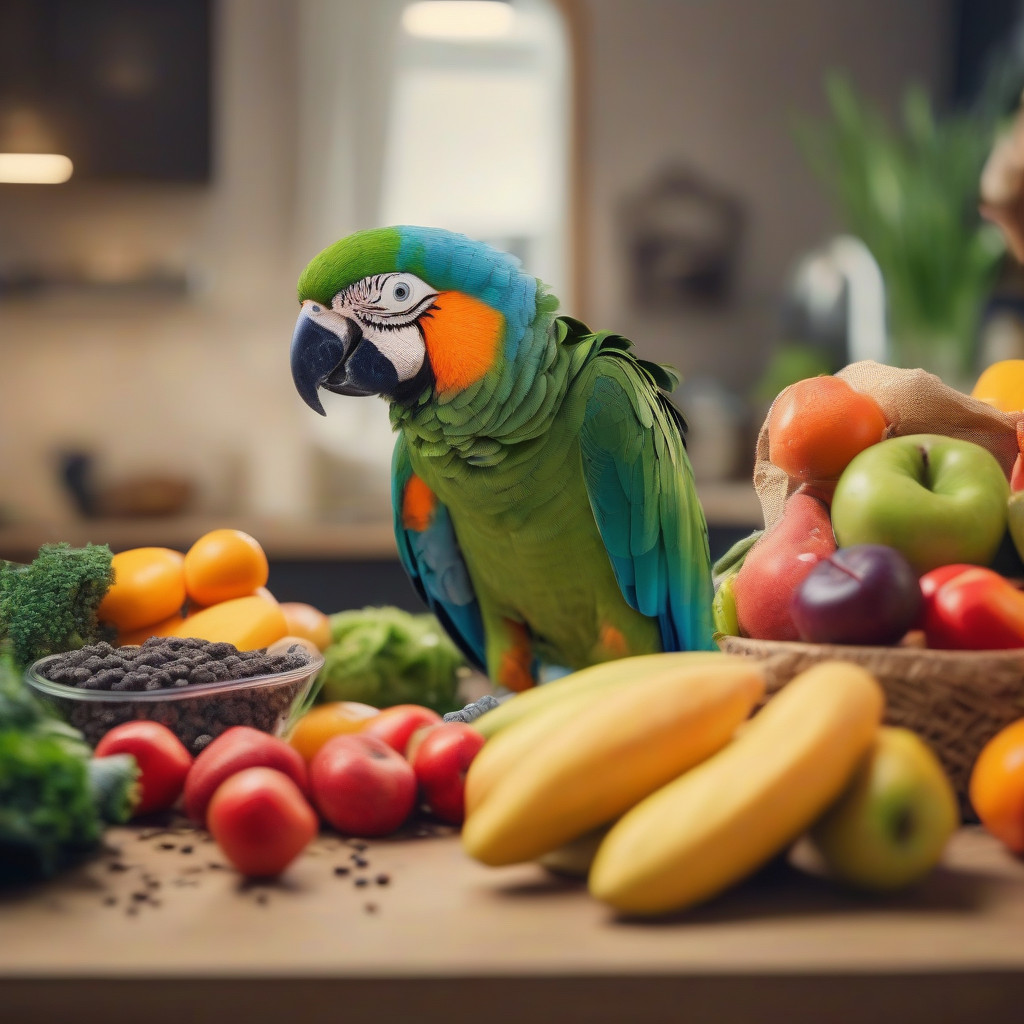
In this article, you will find comprehensive information about the insidious neurobiological effects of artificial colorings, preservatives, and flavors found in commercial bird feeds on your bird's brain health and mental vitality. We explore scientific nutritional secrets to combat these hidden dangers, shedding light on a wide spectrum of effects from behavioral changes to cognitive decline.

In this article, you can discover the scientific secrets to understanding your cat's undesirable habits, deciphering the neurocognitive mechanisms in their brain, and establishing lasting new routines.
As we enter April 2026, it's crucial for dog owners to be aware of many hidden dangers that threaten our beloved companions' health. One such danger, frequently encountered in daily life but potentially fatal, is the ingestion of foreign objects. A swallowed toy piece, bone, stone, or household item can quickly become a life-threatening "silent choking trigger" for your dog. Such situations not only create a physical obstruction but can also deeply affect your dog's neurophysiological balance. In this article, we will delve into the emergencies caused by swallowed foreign objects, 5 insidious neurophysiological signs, and lifesaving scientific intervention methods.
Dogs are naturally curious creatures and tend to explore their surroundings with their mouths. This can sometimes lead to the ingestion of non-edible items. Swallowed foreign objects pose varying levels of danger depending on the dog's age, size, and the object's size, shape, and material. While a small, smooth object might pass on its own, a sharp, large, or toxic object can cause severe health problems, even death. These emergencies are not limited to mechanical obstruction; secondary neurophysiological and systemic responses such as pain, infection, and organ damage caused by the object also carry vital risks.
Swallowed foreign objects can cause obstruction anywhere in the digestive system, from the esophagus to the stomach, and from there to the small or large intestine. This obstruction prevents the passage of food and fluids, leading to damage, necrosis (tissue death) of the intestinal wall, and even peritonitis (inflammation of the abdominal lining). Damage to the digestive system rapidly deteriorates the dog's general condition and leads to a range of neurophysiological problems such as pain, dehydration, and electrolyte imbalances. In this situation, it is also important to consider the information in our article Your Dog's 'Hidden Electrolyte Fever': 5 Critical Signs of Insidious Dehydration in Hot Weather and Lifesaving Scientific Interventions!.
Foreign objects lodged specifically in the esophagus or near the trachea can directly block the respiratory tract, leading to immediate choking. This prevents oxygen from reaching the brain and can cause irreversible neurological damage or death. Rapid and correct intervention is lifesaving in this scenario.
Dogs are often prone to hiding their pain or discomfort. Therefore, early diagnosis in cases of foreign object ingestion is crucial for saving your dog's life. Here are 5 insidious neurophysiological signs to watch out for:
If your dog is constantly making swallowing motions, smacking its lips, or experiencing unusual, forced coughing fits, be alert. This could indicate that the object is lodged in the esophagus, triggering nervous reflexes. Your dog might appear to be in pain while trying to swallow, or increased salivation due to inability to swallow. This can be an early neurophysiological sign of an obstruction close to the respiratory tract.
If your normally energetic dog suddenly becomes sluggish, loses appetite, shows reluctance to play, or hides, it could be a sign of serious internal discomfort. The pain and discomfort caused by the swallowed object can affect your dog's limbic system and overall neurocognitive state, leading to lethargy. These symptoms can also be observed in other acute abdominal emergencies, such as Your Dog's 'Silent Stomach Bomb': 5 Hidden Neurophysiological Signals of Gastric Dilatation-Volvulus (GDV) Crisis and Lifesaving Scientific Intervention!, so it's important to pay attention to distinguishing symptoms.
If you notice an unusual tension or pain reaction when touching your dog's abdominal area, this could indicate an obstruction or inflammation in the digestive system. Stimulation of pressure receptors and transmission of visceral pain signals to the brain in this area increases your dog's sensitivity and may cause them to adopt a protective posture.
Recurrent vomiting is one of the most common signs of foreign object ingestion. However, if there is vomiting despite not eating, or especially dry heaving (inability to expel anything due to obstruction), this could be an indication of a more serious blockage. The body neurophysiologically triggers stomach contractions to try and expel the object but fails. This condition can also lead to rapid dehydration.
This is one of the most critical neurophysiological signs indicating that the foreign object is completely or partially blocking the respiratory tract and your dog is not getting enough oxygen. While gums are normally pink and moist, in cases of oxygen deficiency, they become pale or take on a cyanotic (bluish) color. This condition requires immediate medical intervention and can be fatal within seconds. A drop in blood oxygen levels directly affects brain function.
If you suspect your dog has swallowed a foreign object or observe the above symptoms, acting quickly and correctly is vital.
Panicking increases both your and your dog's stress levels. By staying calm, you can assess the situation more clearly. Is your dog breathing? Is it coughing? Is it conscious? Can you quickly see and remove the object from its mouth?
If your dog is struggling to breathe, turning blue, or losing consciousness, you may need to perform a modified Heimlich maneuver for dogs. This maneuver involves rapid, forceful thrusts to the abdomen to dislodge the object blocking the airway:
These techniques neurophysiologically stimulate the diaphragm and lungs to help dislodge the object from the airway.
After the Heimlich maneuver, check if the object has been dislodged. If you can see the object and safely reach it, carefully remove it. However, avoid blindly inserting your fingers into your dog's throat, as this could push the object further down or risk being bitten. Remembering the general emergency intervention principles in our article Your Dog's 'Hidden Rescue Keys': 5 Critical Scientific Interventions to Instantly Unlock Consciousness in Poisoning Crises! will also be beneficial.
Even after first aid, it is essential for your dog to be examined by a veterinarian as soon as possible. Even if the foreign object has partially come out, it may have caused damage to the digestive system or become lodged elsewhere. The veterinarian will assess the situation using methods such as X-rays or endoscopy and provide the necessary medical intervention.
Preventing foreign object ingestion cases is the best treatment. You can take some simple precautions at home:
Keep all objects that your dog might swallow, such as small toys, strings, bones, plants, batteries, medications, and small household items, out of reach. Keep trash cans covered and restrict your dog's access.
Choose durable toys that are appropriate for your dog's age and chewing habits and will not break into pieces. Be cautious when giving bones; cooked bones can shatter into sharp fragments and damage the digestive system. Always supervise your dog when it plays with toys.
Foreign object ingestion in dogs is one of the most frightening emergencies a pet owner can face. However, with the right knowledge and quick intervention, you can save your tiny friend's life. Recognizing these insidious neurophysiological signs and knowing the scientific first aid steps will make a difference in critical moments. Remember, in the slightest doubt, immediately consult a veterinarian.
