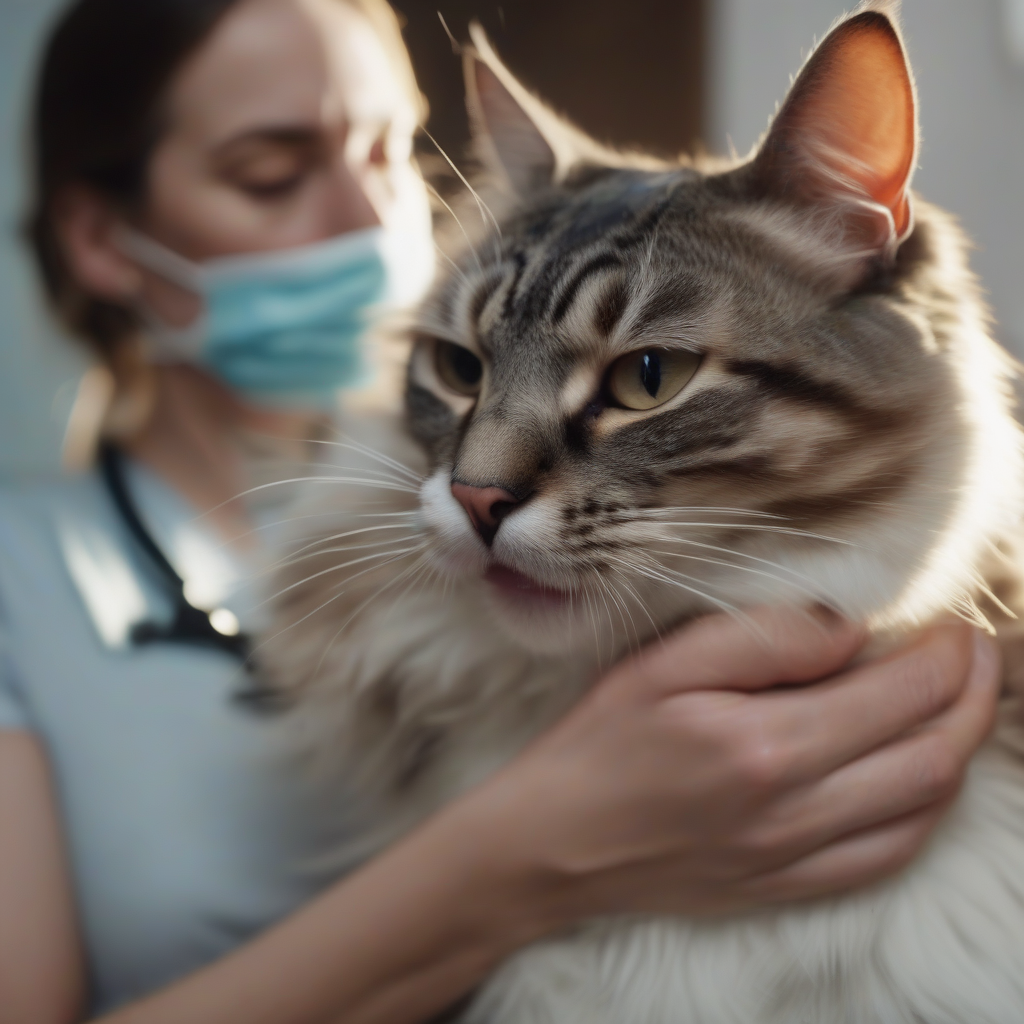
Recognize 5 critical neurophysiological signals for saving your cat's life during sudden allergic shock and learn the scientific emergency intervention codes you can apply in seconds.


Discover the types of burns your dog can suffer, the 5 insidious neurophysiological effects these burns create in the brain and body, and lifesaving emergency intervention strategies in this comprehensive guide. We shed light on the dangers behind forgotten household accidents from a scientific perspective.

Discover the neurobiological signals of hidden stress your newly adopted cat experiences during adaptation to a new social environment. This article reveals 5 insidious signs of your cat's silent struggle and scientific strategies for peaceful, long-term harmony.

Your dog's anal sacs, located beneath the tail, can be hidden alarm bells often overlooked but profoundly affecting their quality of life. In this article, you will discover the 5 insidious neurobiological effects of anal sac problems on the brain and the lifesaving care secrets you need to know for your furry friend to live a peaceful life.
One of the most critical emergency scenarios every cat owner should be aware of is sudden-onset and rapidly progressing allergic shock. This condition is life-threatening for your cat, and the faster you act, the higher their chance of survival.
One of the most evident and frightening symptoms of allergic shock is your cat suddenly struggling to breathe. This occurs due to swelling and narrowing of the airways (pharynx, larynx, and trachea).
Allergic reactions can affect not only the respiratory system but also the digestive system. The body's response to allergens can cause sudden contractions of the stomach and intestines, leading to rapid gastrointestinal movements.
One of the most dangerous consequences of allergic shock is the collapse of the circulatory system. Extreme dilation of blood vessels and fluid leakage outside the vessels cause a rapid drop in blood pressure. This prevents adequate oxygen and nutrients from reaching organs.
Allergic reactions can lead to sudden fluid accumulation in the tissues beneath the skin. This condition is called angioedema and is usually evident in areas such as the face, eyelids, ears, and neck.
In response to a sudden drop in blood pressure, your cat's heart may start beating faster to pump more blood. However, as shock progresses, this compensatory mechanism becomes insufficient, and the pulse weakens.
As soon as you notice one or more of the above symptoms in your cat, follow these steps without delay:
Understanding your cat's allergic reactions is crucial not only in emergencies but also in daily care. To learn about how your cat's immune system works and the role of nutrition, you can refer to our article Your Cat's Hidden Immune Shield: 5 Unknown Neuroimmune Secrets of Diet Selection!. Additionally, to understand your cat's general health status and stress levels, our articles like Your Cat's Hidden 'Routine Empire': 5 Neurocognitive Codes of Time Perception and Scientific Secrets of Behavioral Stability! and Your Cat's 'Social Signal Defense': 5 Hidden Neurocognitive Locks for New Environment Adaptation and Scientific Success Strategies will guide you. To be prepared for sudden dangers, we also recommend reviewing our other emergency articles, such as Your Cat's 'Hidden Choking Alarm': 5-Second Lifesaving Intervention and Unknown Neurophysiological Signals!.
Remember, your cat's health is in your hands. Knowledge is your most powerful first-aid kit.
