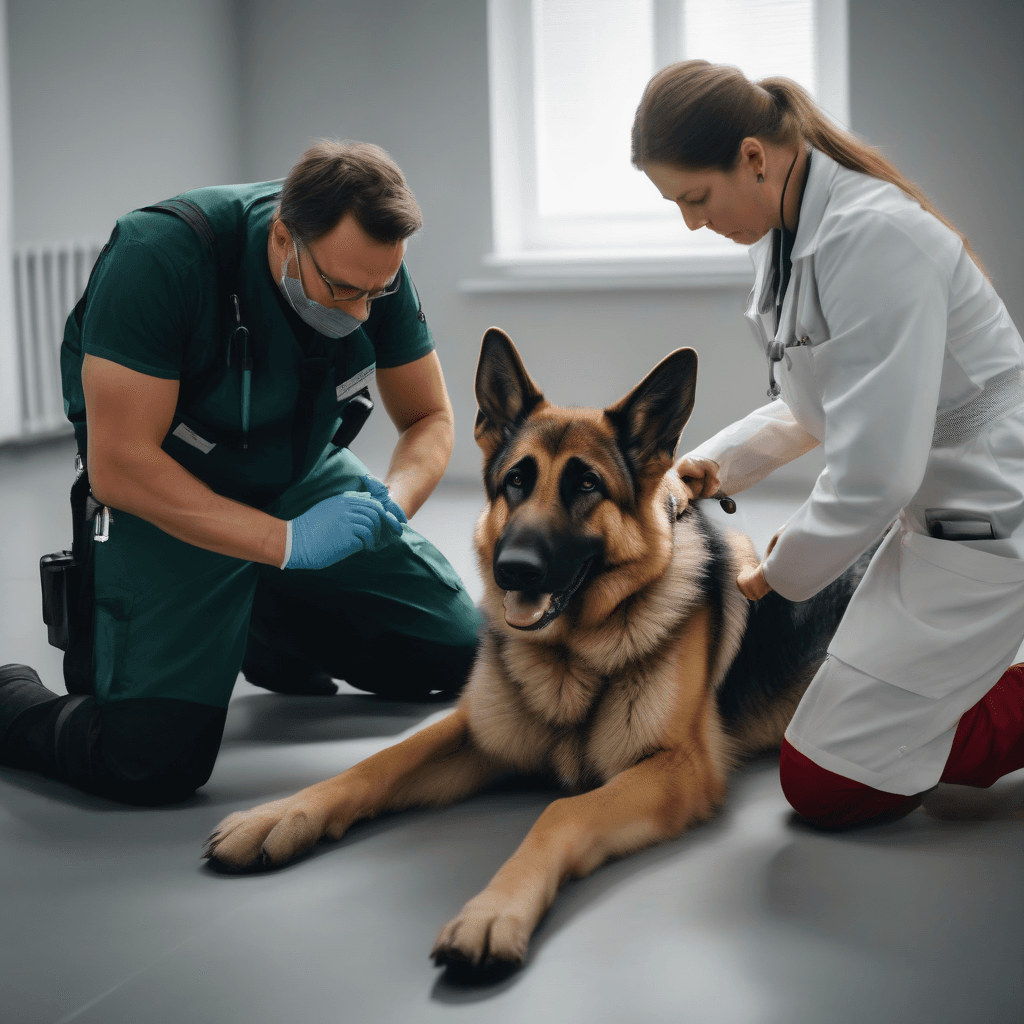
Your Dog's 'Silent Choking' Alarm: 5 Overlooked Lifesaving Signs and Instant Intervention Science!
As of March 2026, our knowledge regarding the health of our pets is rapidly advancing. However, certain emergencies, especially choking, can still manifest with overlooked, silent symptoms. In this article, we will delve into the subtle, yet life-threatening signs that your dog might exhibit during a 'silent choking' episode, which may not be immediately obvious to owners, and explore scientifically proven emergency intervention methods for such critical moments.
Why is 'Silent Choking' Dangerous?
When we think of choking in dogs, we often picture gagging reflexes or visible distress. However, in some cases, especially if foreign objects are lodged deeper or the swallowing mechanism is partially compromised, these classic signs may not appear. These 'silent' progressing situations can catch owners off guard and lead to the loss of valuable time for intervention. Therefore, understanding your dog's physiology and potential risks empowers you to make the right decisions during a sudden crisis.
Insidious Symptoms: Your Dog's Unseen SOS Signals
Here are 5 critical signs that indicate your dog might be choking, which are not as obvious as classic symptoms:
- Excessive and Unexplained Drooling: Producing significantly more foamy saliva than usual can indicate an obstruction in the throat and difficulty swallowing. If your dog is not typically a drooler, this warrants close observation.
- Repeated Swallowing Attempts and Frog-like Sounds: If your dog is constantly trying to swallow but failing, or makes strange, gurgling, frog-like noises while doing so, there might be an object blocking their throat.
- Restlessness and Constant Positional Changes: A dog struggling to breathe may shift positions frequently, sit and stand repeatedly, or make movements as if trying to catch air with their front paws. This is a sign of internal distress.
- Sudden Redness or Swelling in the Eyes: Pressure in the throat or lack of oxygen can affect blood flow to the eyes. Redness, slight puffiness, or eyes appearing more prominent can be harbingers of an emergency.
- Slight Bluish Discoloration (Cyanosis) of Lips or Gums: A drop in oxygen levels can first manifest as a bluish tint on the lips, tongue, or gums. This is one of the clearest and most urgent warnings that the body is not receiving enough oxygen.
Lifesaving 5-Minute Scientific Intervention Guide
As soon as you notice any of the above symptoms, without wasting any time, follow these steps:
1. Stay Calm and Assess the Situation
Panicking can worsen the situation for both you and your dog. Maintain your composure and try to determine if there is a visible obstruction in their throat. If there is an object in the mouth that you can see, carefully attempt to remove it. However, if the object is deep or not visible, do not force it, as this could cause your dog to gag more and push the object further down.
2. Keep Your Dog Upright and Gently Pat Their Back
Keep your dog in an upright position. Gently tilt their head downwards. With one hand, gently lift their jaw to keep their mouth open, while with the other hand, deliver several firm but controlled blows between your dog's shoulder blades to try and dislodge the object. This is the initial step of the Heimlich maneuver and can help move the obstruction.
If back blows are ineffective and your dog is struggling to stand, perform the Heimlich maneuver appropriate for their size.
- Small Dogs: Cup the dog with both hands. Grasp the soft part of their abdomen (below the rib cage) with both hands. Make a fist with one hand and cup it with the other. Then, apply quick, upward thrusting motions. Repeat until the obstruction is cleared.
- Medium and Large Dogs: Lay the dog on their side. Place the heel of your hand just below the rib cage on the soft part of their abdomen. Support your fist with your other hand. Apply quick, firm upward and inward thrusting motions. Continue until the obstruction is cleared or your dog responds.
It is crucial to receive training from your veterinarian on how to perform this maneuver correctly, as improper execution can cause harm.
4. Check Airway Patency and Administer Artificial Respiration (If Necessary)
After the Heimlich maneuver or if your dog becomes unresponsive, check if they are breathing. Observe chest movements and place your ear near their nose to listen for breath sounds. If they are not breathing and their pulse is weak, begin artificial respiration (mouth-to-snout). Close your dog's mouth and seal yours over their snout, filling their lungs with air. You should see their chest rise. Deliver two breaths every 2 seconds. Then, administer 30 chest compressions (on the soft area below the rib cage). Continue this cycle.
While performing or after performing all the above interventions, it is vital to rush your dog to the nearest emergency veterinary clinic. Regardless of the apparent severity of the incident, internal injuries or incomplete removal of the obstruction are possibilities. A thorough examination and treatment by a professional veterinarian are essential for your dog's full recovery.
Preventive Measures and Awareness
The best way to prevent such emergencies is to be mindful of your dog's environment. Keep small objects like toys, carpet threads, and food scraps that can pose choking hazards out of your dog's reach. Observe your dog's eating habits and consider using slow-feeder bowls, especially if they eat too quickly. Furthermore, paying attention to the 'invisible sweet trap' in your dog's food can support their overall health and reduce certain emergency risks.
Remember, your pet's health is in your hands. Being informed and knowing the correct intervention steps in emergencies can save their lives. This guide will be an important step for your dog's well-being.