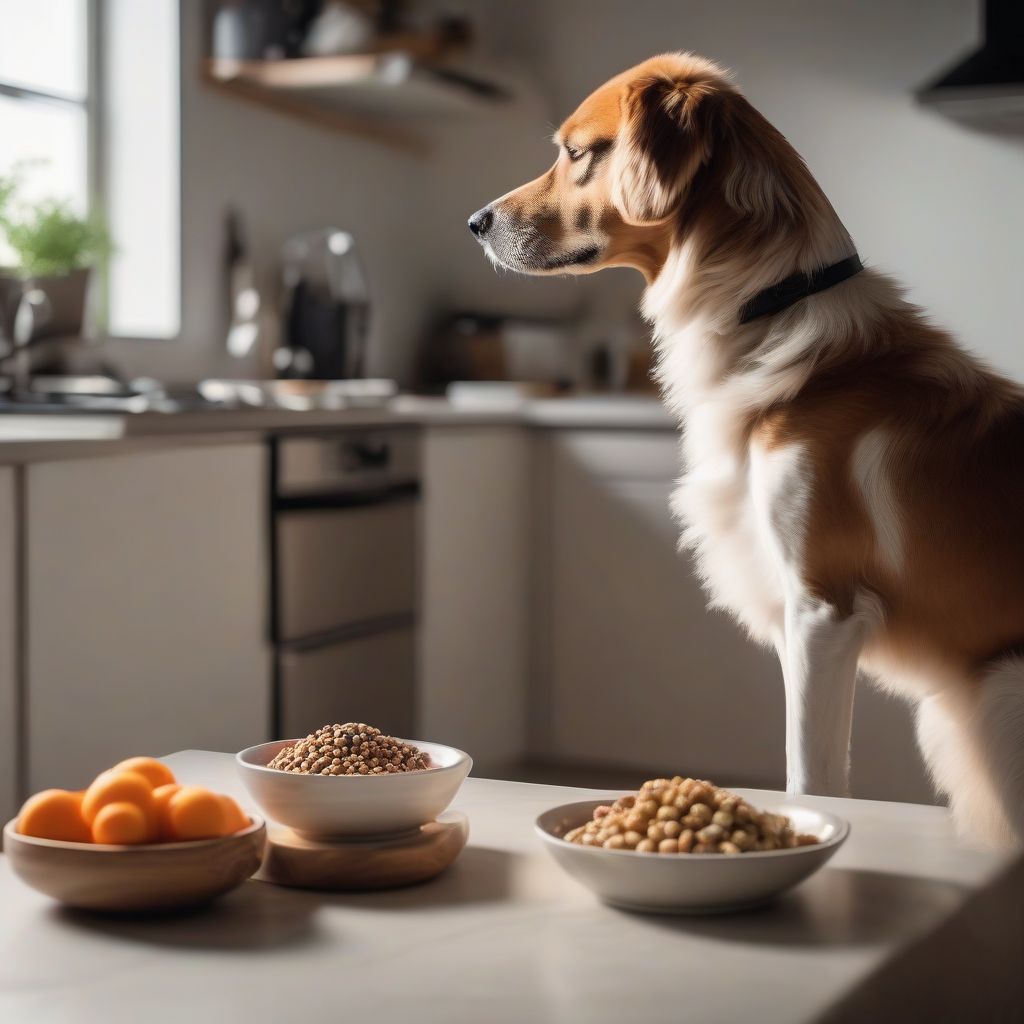
In this article, you can discover the insidious effects of your dog's gut microbiome, ranging from hair loss to behavioral disorders, and the scientific secrets surrounding this topic.


In this article, we will deeply explore the insidious neurobiological effects of gut microbiome imbalance (dysbiosis) on your rabbit's brain health and provide scientific-based solutions to maintain mental vitality.
In this article, you can find comprehensive information on how pancreatitis in dogs not only affects the digestive system but also insidiously impacts the brain, its neuroinflammatory mechanisms, and lifesaving emergency intervention strategies.

Discover the 5 insidious effects of overfeeding, one of the most stealthy threats to your fish's health, causing neurometabolic destruction in their brains, and learn scientific feeding strategies to prevent this demise. Uncover the silent danger in your aquarium!
When it comes to canine health, the first things that usually come to mind are nutrition, exercise, and general veterinary care. However, there's another factor, often overlooked, that profoundly impacts the overall well-being of our furry friends: the gut microbiome. This complex and dynamic ecosystem acts as your dog's second brain, playing critical roles in digestion, the immune system, and even mood and skin health. In this article, we will explore the insidious effects of the gut microbiome in dogs and how you can positively influence their well-being.
Once viewed simply as a community of bacteria breaking down food, the gut microbiome is now understood to have a far more comprehensive role. This miniature universe, composed of trillions of bacteria, fungi, and viruses, educates your dog's immune system, fights off harmful pathogens, and even communicates directly with the brain, influencing their behavior. Imbalances in the microbiome can trigger a domino effect, leading to various health issues.
Are you observing excessive hair loss in your dog? Don't just think about food changes or parasite treatment. Imbalances in the gut microbiome can weaken the skin barrier and cause inflammation, triggering hair loss. A healthy microbiome helps the skin strengthen its own protective barrier and reduces the absorption of harmful substances. The right bacteria in the gut also play a role in producing vitamins and minerals essential for skin health. Therefore, for a lustrous coat, it may be necessary to look deep within the gut first.
Is your dog suddenly behaving more anxiously, aggressively, or lethargically? The gut microbiome might be at the root of these behavioral changes. The gut-brain axis refers to the bidirectional communication between these two organs. Bacteria in the gut produce neurotransmitters (like serotonin and dopamine), directly influencing brain function and mood. Microbiome imbalance can disrupt the production of these neurotransmitters, leading to fluctuations in your dog's emotional state. For instance, a large portion of serotonin, known as the 'happiness hormone,' is produced in the gut. Therefore, delving deeper into the topic of 'Hidden Obsessions' can reveal the connection between behavioral problems, nutrition, and gut health.
It is possible to balance the gut microbiome and improve your dog's overall health. Here are some scientifically proven strategies:
Probiotics are supplements containing live beneficial bacteria directly. With your veterinarian's recommendation, you can use foods or supplements containing probiotics appropriate for your dog's needs. This is especially effective after antibiotic treatment or for dogs experiencing digestive issues.
Stress is a significant factor that negatively impacts the gut microbiome. Making your dog's living environment safer and more comfortable is important, similar to understanding the effects of stress on general health as discussed in Your Rabbit's Secret 'Stress Compass': Neurobiological Effects of Environmental Changes and 5 Scientific Strategies for a Calm Life. Recognizing and respecting your dog's silent approval signals, like those in Your Hamster's 'Silent Approval Signals': Scientific Codes for Readiness for Human Interaction and the Art of Decoding Rejection Signals!, and giving them space benefits both their mental and gut health.
Consulting your veterinarian before any health issue or dietary change is the most appropriate step. Your veterinarian will determine the most suitable dietary plan and supplements based on your dog's individual needs.
Your dog's gut microbiome is too important to ignore for their health and happiness. Understanding these insidious effects, ranging from hair loss to behavioral problems, and taking steps to support the microbiome will extend your furry friend's life and improve their quality of life. Remember, a healthy gut means a happy and healthy dog.
