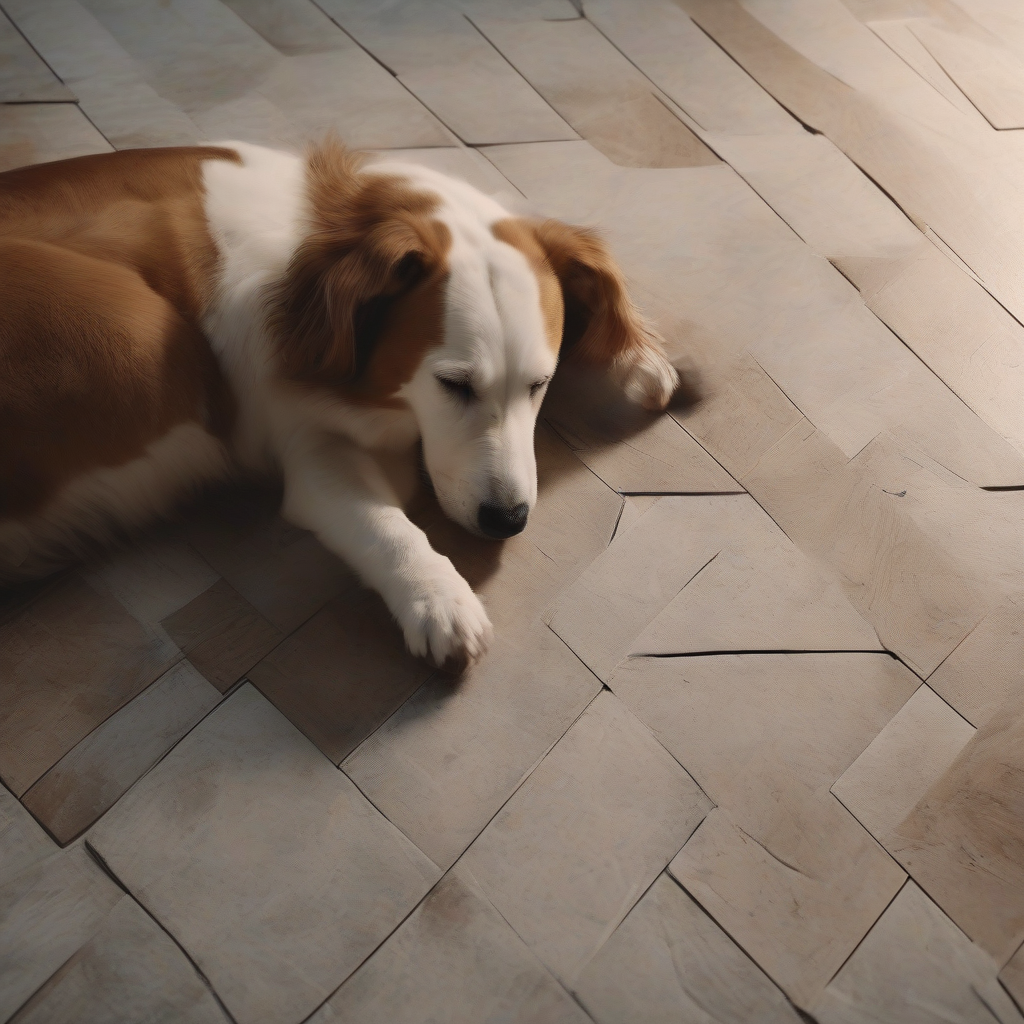
A revolutionary perspective on how your dog perceives the world! Discover the hidden neurobiological effects of ground texture, temperature, and vibrations on your canine companion's brain and learn scientific ways to create a more comfortable and secure living environment for them.


In this article, you will discover the little-known but profound effects of the acoustic environment in rabbit living spaces on their brain health and general well-being, exploring the neurobiological consequences of both sound deprivation and overstimulation, and scientific secrets to creating a peaceful environment. Understand and optimize your rabbit's world with expert tips.

In this article, you will find comprehensive information about the insidious neurobiological effects of artificial colorings, preservatives, and flavors found in commercial bird feeds on your bird's brain health and mental vitality. We explore scientific nutritional secrets to combat these hidden dangers, shedding light on a wide spectrum of effects from behavioral changes to cognitive decline.

In this article, you can discover the scientific secrets to understanding your cat's undesirable habits, deciphering the neurocognitive mechanisms in their brain, and establishing lasting new routines.
The way our canine companions perceive the world is often vastly different from our own. When we delve into the depths of their sensory world, elements that go unnoticed but are crucial for your dog's well-being come to light. One of the most significant of these is undoubtedly the ground. Every step, every sit, every lie down that makes up your dog's day is shaped by the myriad of sensory data provided by the floor. So, what are the hidden neurobiological effects of these 'invisible' ground interactions on your dog's brain, and how can we use this knowledge to make their living environment more comfortable and secure?
One of the most vital senses for dogs to explore and understand their world is touch. Their paw pads are equipped with millions of sensory receptors. These receptors detect the temperature, hardness, roughness, slipperiness, and even vibrations of the ground. This information is transmitted directly to your dog's cerebellum and somatosensory cortex, forming their environmental awareness. For instance, a cold, hard floor can cause discomfort in your dog, while a soft, warm surface can provide a sense of security and peace.
This directly influences how your dog moves and even their preferences for sitting and standing. A dog that feels more comfortable on certain types of flooring may spend more time on those surfaces. This is not just a simple comfort preference, but a result of the brain's constant response to environmental inputs.
Neurobiological effects of flooring are not limited to physical comfort. Your dog's interaction with the ground also significantly impacts their stress levels. Constantly being on slippery or uncomfortable surfaces can make your dog feel tense and even lead to anxiety. For older dogs or those with joint issues, the support and traction provided by the floor are vital. Inadequate flooring can lead to loss of balance and falls, triggering feelings of insecurity and fear in your dog.
This can create 'silent pressure zones' around your dog. When your dog avoids certain areas of the house or behaves restlessly in them, it might indicate that the flooring itself is a source of stress. As detailed in our article Your Dog's 'Silent Pressure Zones': Discover Hidden Neurobiological Stress Points at Home and Create a Peaceful Living Environment!, the proper design of the living space is critical. Understanding your dog's reaction to the ground is the first step to eliminating these stress factors.
The behaviors dogs exhibit in their flooring choices are often a reflection of their neurobiological state. For example, if a dog frequently seeks out and circles on a soft blanket, it might be an indication of avoiding the hardness of the floor and seeking comfort. Similarly, some dogs may prefer certain types of carpets over others. These preferences are based on factors such as fur texture, material feel, and the floor's heat retention capacity.
Articles like Your Dog's 'Surface Sensitivity' Mystery: The Unknown 5 Neurobiological Effects of Home Textures and Scientific Design Secrets for Peace! delve into the underlying reasons for these sensitivities. It's important to understand that floors are not just surfaces to walk on, but complex environmental elements that directly affect your dog's mental and physical health.
When creating an ideal living environment for your dog, the role of the floor cannot be overlooked. Here are a few scientific recommendations:
Understanding the role of the floor in your dog's living environment is one of the most valuable investments you can make in their physical and mental health. This 'hidden world' beneath their paws actually holds one of the keys to their happiness.
