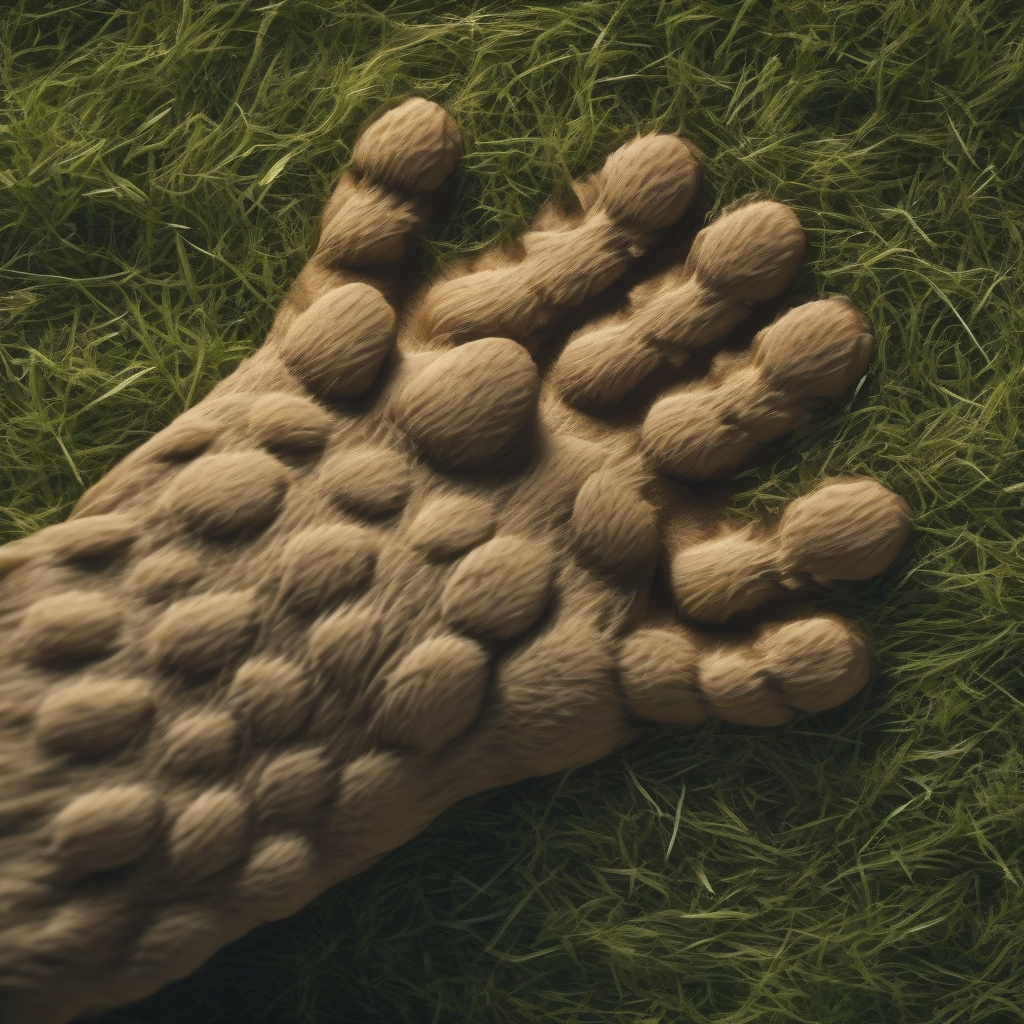
In this article, you will discover that your dog's paws are not merely simple organs for walking, but also one of the most sensitive and neurophysiologically complex areas of their body. We delve into the hidden pressure points of paws, the critical role of nerve networks, and scientific care strategies for pain-free, healthy steps.

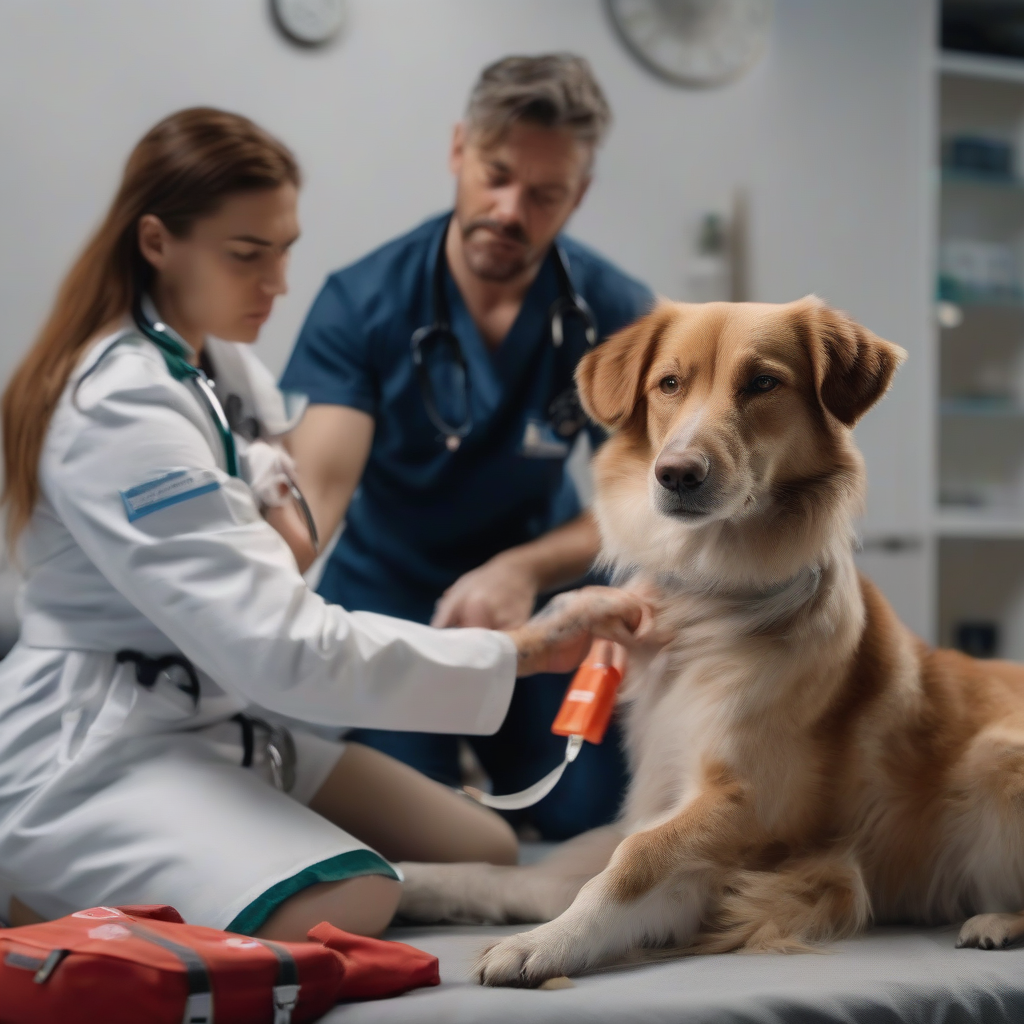
Discover the types of burns your dog can suffer, the 5 insidious neurophysiological effects these burns create in the brain and body, and lifesaving emergency intervention strategies in this comprehensive guide. We shed light on the dangers behind forgotten household accidents from a scientific perspective.

Discover the neurobiological signals of hidden stress your newly adopted cat experiences during adaptation to a new social environment. This article reveals 5 insidious signs of your cat's silent struggle and scientific strategies for peaceful, long-term harmony.

Your dog's anal sacs, located beneath the tail, can be hidden alarm bells often overlooked but profoundly affecting their quality of life. In this article, you will discover the 5 insidious neurobiological effects of anal sac problems on the brain and the lifesaving care secrets you need to know for your furry friend to live a peaceful life.
Our dogs' paws are not just a means of locomotion; they are also sensory organs, centers of balance, and some of the most resilient yet sensitive structures of their bodies. While evolved to withstand high impact, the 'invisible pressure points' and complex nerve networks within the paws play a crucial role in their comfort, well-being, and even overall health. As of April 2026, the latest advancements in veterinary science are unraveling the neurophysiological secrets of paws, offering dog owners more informed and science-based care strategies. So, what hidden wonders lie within this secret world of paws, and how can we ensure their steps remain pain-free?
Dog paws are equipped with a dense network of nerves, blood vessels, and fatty tissue. This structure provides them with detailed information about the ground, while also performing the functions of weight-bearing and shock absorption. This special structure makes paws a shield against external factors but can also leave them vulnerable to potential threats.
Paws play a significant role in thermoregulation, which is the regulation of a dog's body temperature. Sweat glands in the paw pads help regulate body temperature in excessively hot weather. However, these sweat glands can also lead to moisture loss and dryness. Furthermore, the dense touch receptors in the paws allow dogs to sensitively perceive ground texture, temperature, and vibrations. This neurophysiological ability is critical for them to understand their environment and sense potential dangers. This sensitivity underscores the importance of paw care and makes proper maintenance essential. Healthy paws allow your dog to explore comfortably and adapt to new situations, which can be crucial for stress management, especially when moving to a new home. If your dog is experiencing stress in a new environment and showing behavioral changes, discomfort related to their paws might be a contributing factor. Our article, Your Dog's New Home Stress: 5 Hidden Neurobiological Keys Behind Sudden Behavioral Changes and Solutions!, can provide you with more information on this topic.
With every step, a dog's paws absorb a large portion of their body weight and kinetic energy. The thick, elastic pads act as natural shock absorbers, reducing stress on joints when running or jumping. Special nerve endings called proprioceptors in the paws constantly transmit information to the brain about the dog's body position, the placement of their limbs in space, and their relationship with the ground. This ensures their balance and coordination. Damage to these sensors or their dysfunction can severely affect a dog's mobility and quality of life.
Ensuring your dog's paws remain healthy and functional is vital not only for their physical comfort but also for their mental well-being. Here are 5 critical care protocols based on scientific data:
Dry paw pads can crack, leading to painful sores and infections. Neurophysiologically, dryness causes irritation of nerve endings and an increase in pain signals. Regularly moisturizing the pads with veterinarian-approved paw moisturizers or special balms helps maintain their flexibility and prevents cracking. This care is even more crucial in winter months or dry climates. This is a direct component of stress-reducing grooming that significantly impacts your dog's calmness and comfort.
Hot asphalt or icy surfaces can cause severe damage to paw pads. Extreme heat can lead to burns, while extreme cold can cause frostbite or cracking. Both situations irritate the nerve endings in the paws, leading to intense pain. Avoiding hot surfaces in summer and using paw boots or protective balms in winter reduces thermal stress and prevents neurophysiological damage. You should also be vigilant about the risk of dehydration in your dog during summer; electrolyte imbalance in hot weather can indirectly affect paw health.
The type of surfaces dogs walk on has a significant impact on paw health. Hard, abrasive surfaces (concrete, asphalt) can thin the pads over time and cause micro-traumas. Softer surfaces (grass, soil), on the other hand, promote natural wear and tear and put less stress on the paws. Varying your dog's walking routes according to their activity level and environment can help their paws adapt to different surfaces, increasing their overall resilience.
Sharp objects, stones, or broken glass can cause cuts or punctures in the paws. Such mechanical traumas lead to nerve damage and an increased risk of infection. It's important to check paws before going outside and keep walking areas safe. Additionally, long nails can cause paws to strike the ground at an incorrect angle, creating abnormal pressure on joints and leading to long-term pain. Regular nail care is essential for maintaining proper paw mechanics. This also improves your dog's overall comfort and thus their deep sleep quality.
When there is a problem with your dog's paw health, behavioral changes are often observed. Signs such as limping, licking or chewing paws, reluctance to walk, sensitivity to touch, or irritability are neurophysiological reflections of pain or discomfort. Early detection of these symptoms is critical to preventing more serious problems. Understanding such signals also helps improve your skill in mastering your dog's 'emotion reading'. In case of any doubt, consulting your veterinarian without delay is the most appropriate step to prevent neurological damage to the paws and maintain your dog's quality of life.
Our dogs' paws form the foundation of their connection to the world, their freedom of movement, and their overall health. Being aware of these 'invisible pressure points' and their complex neurophysiological structures allows us to provide them with the attentive care they deserve. Regular checks, proper moisturization, adequate protection, and attention to behavioral signals are the scientific keys to keeping their paws healthy and pain-free throughout their lives. Remember, healthy paws are the foundation of a happy dog.
