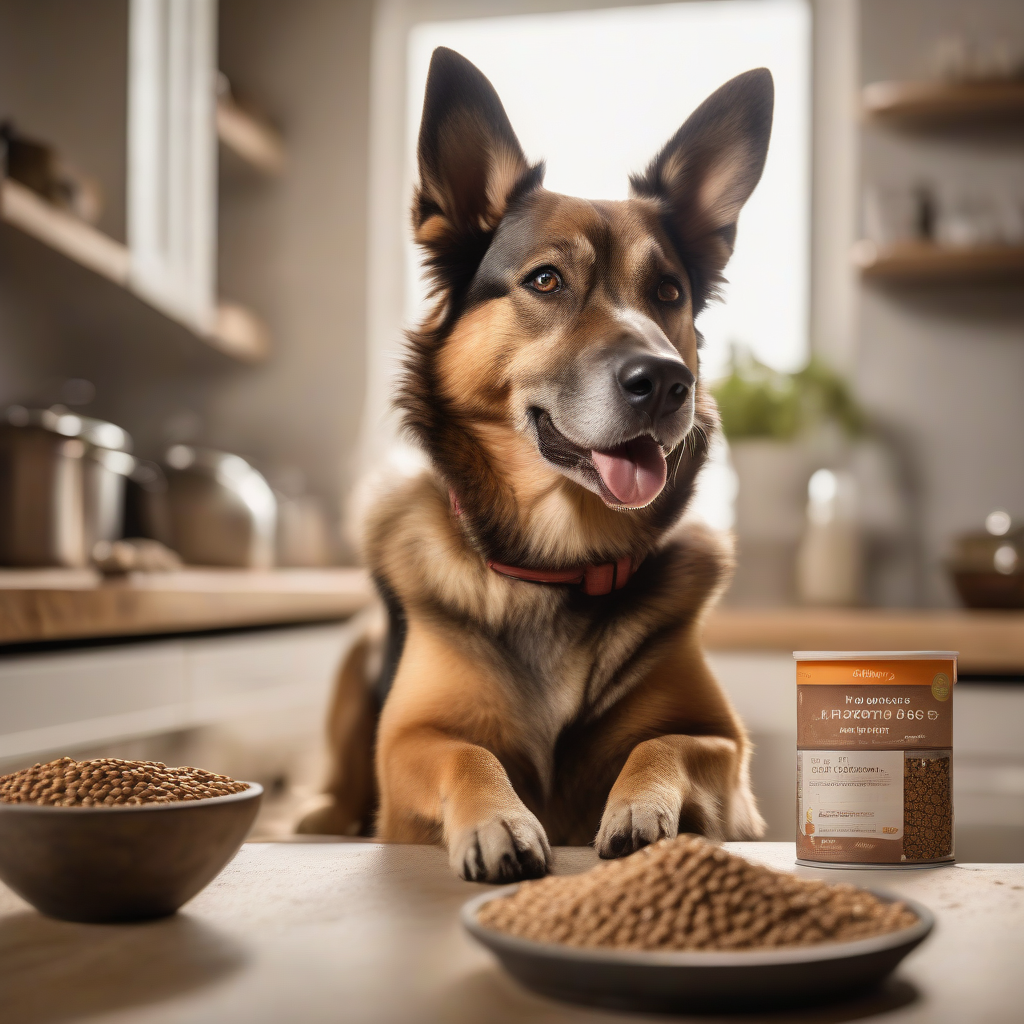
In this article, you will explore 5 hidden nutritional triggers of the increasingly prevalent leaky gut syndrome in dogs, often overlooked in food choices, and discover scientific strategies to protect gut health.


Discover the types of burns your dog can suffer, the 5 insidious neurophysiological effects these burns create in the brain and body, and lifesaving emergency intervention strategies in this comprehensive guide. We shed light on the dangers behind forgotten household accidents from a scientific perspective.

Discover the neurobiological signals of hidden stress your newly adopted cat experiences during adaptation to a new social environment. This article reveals 5 insidious signs of your cat's silent struggle and scientific strategies for peaceful, long-term harmony.

Your dog's anal sacs, located beneath the tail, can be hidden alarm bells often overlooked but profoundly affecting their quality of life. In this article, you will discover the 5 insidious neurobiological effects of anal sac problems on the brain and the lifesaving care secrets you need to know for your furry friend to live a peaceful life.
When it comes to the health of our beloved companions, one often-overlooked yet vital area is gut health. 'Leaky Gut Syndrome,' increasingly observed in dogs in recent years, has become an insidious threat directly linked to modern feeding practices. This syndrome leads to the intestinal wall becoming more permeable than normal, allowing undigested food particles, toxins, and bacteria to leak into the bloodstream. This can open the door to a wide range of health issues, from chronic inflammation to autoimmune diseases. So, what hidden nutritional secrets in your dog's food bowl are weakening this 'Invisible Gut Wall'?
Your dog's digestive system not only ensures nutrient absorption but also serves as the body's largest immune organ. The intestinal wall acts as a semi-permeable barrier made of cells connected by tight junctions. This barrier allows beneficial nutrients to enter while preventing harmful substances (toxins, pathogens, undigested proteins) from passing into the bloodstream. In leaky gut syndrome, these tight junctions weaken or separate, compromising the barrier's integrity. Consequently, the body mounts an exaggerated immune response against these foreign substances, leading to systemic inflammation and various health problems.
Your dog's daily food choice is a critical factor directly affecting the strength of their gut barrier. Scientific research indicates that certain dietary components can increase intestinal permeability and trigger this insidious syndrome.
High amounts of processed grains (corn, wheat, soy) and starchy vegetables (potatoes, rice), commonly found in commercial dog foods, lead to rapid blood sugar spikes in dogs. This triggers chronic low-grade inflammation in the body. Inflammation is one of the most significant factors contributing to the weakening of tight junctions in the intestinal wall and increased gut permeability. In the long term, such foods can also disrupt the balance of the gut microbiota, paving the way for dysbiosis.
Colorings, flavorings, humectants, and synthetic preservatives (such as BHA, BHT, ethoxyquin) are frequently used in modern dog foods. Some of these chemical substances have direct negative effects on the gut microbiome. In particular, they can be toxic to intestinal epithelial cells, overstimulate the immune system, and thus disrupt the integrity of the gut barrier. Scientific studies show that such additives can increase gut inflammation and permeability. To protect your dog's health, opting for foods free from these chemicals is crucial. Furthermore, if you wish to delve deeper into the effects of toxin load on your dog's liver, you can refer to our article Your Dog's Invisible Liver Detox: 5 Insidious Signs of Toxin Overload and Lifesaving Scientific Liver Support Strategies!.
Grains and vegetables containing Genetically Modified Organisms (GMOs) or carrying pesticide residues pose a significant risk factor in dog nutrition. Common pesticides like glyphosate, in particular, can severely disrupt the gut microbiota, leading to a reduction in beneficial bacteria. These chemicals can directly impact cells in the intestinal wall, increasing permeability and triggering chronic inflammation. Choosing organic and certified non-GMO foods is an effective way to minimize these risks.
Fiber is indispensable for the health of the gut microbiome. Foods containing insufficient or low-quality fiber cannot provide the necessary prebiotic support for the growth of beneficial bacteria in the intestines. This leads to dysbiosis (microbiota imbalance). Dysbiosis results in the proliferation of harmful bacteria, inflammation of the intestinal wall, and increased permeability. To better understand the critical role of fiber for your dog's digestive system and gut health, you can gain more in-depth knowledge by reading our article Your Dog's 'Gut Orchestra': 5 Neurocognitive Secrets of Soluble and Insoluble Fibers and the Guide to Optimal Health!.
Some dogs may develop sensitivities or allergies to specific proteins (chicken, beef, dairy), grains (wheat, soy), or other food ingredients. When these foods are consumed, the body initiates an immune response. This response can lead to inflammation in the intestinal wall and, consequently, increased permeability. Food allergies or sensitivities are hidden triggers often overlooked and can be one of the primary causes of leaky gut syndrome. For more information on 'silent inflammation' triggered by your dog's diet, please refer to our article Your Dog's Hidden Protein Sensitivity Crystal: Unlocking the 5 Neurobiological Secrets of 'Silent Inflammation'!.
Leaky gut syndrome can manifest with a wide range of symptoms. These include digestive problems such as chronic diarrhea or constipation, vomiting, gas, bloating; skin issues like itching, eczema, hot spots; ear infections, allergies, behavioral changes (anxiety, aggression), and even unexplained low energy. Prolonged permeability can also lead to autoimmune diseases and impaired vitamin/mineral absorption, which can cause symptoms similar to those mentioned in the article Your Dog's 'Insidious Energy Thieves': 5 Invisible Signs of Hidden Micronutrient Deficiencies and Scientific Solutions to Restore Brain Power!. Diagnosis typically involves a comprehensive veterinary examination, dietary analysis, and sometimes specialized gut permeability tests.
To strengthen your dog's 'Invisible Gut Wall' and prevent leaky gut syndrome, you can implement the following scientific strategies:
Your dog's 'Invisible Gut Wall' forms the foundation of their overall health. When choosing food, it is crucial to consider not only taste or price but also the potential effects of ingredients on gut health. By making informed choices and implementing scientific nutrition strategies, you can protect your dog's digestive system, improve their quality of life, and help them live a long, healthy life. Remember, always consult your veterinarian with any health concerns.
