
In this article, you will discover the complex neurobiological interactions of microbes in dog ear canals, silent inflammation triggers, and scientific ways to maintain this hidden ecosystem healthy. Understand your dog's ear health deeply to prevent potential behavioral issues and improve their quality of life.


In this article, you will discover the little-known but profound effects of the acoustic environment in rabbit living spaces on their brain health and general well-being, exploring the neurobiological consequences of both sound deprivation and overstimulation, and scientific secrets to creating a peaceful environment. Understand and optimize your rabbit's world with expert tips.
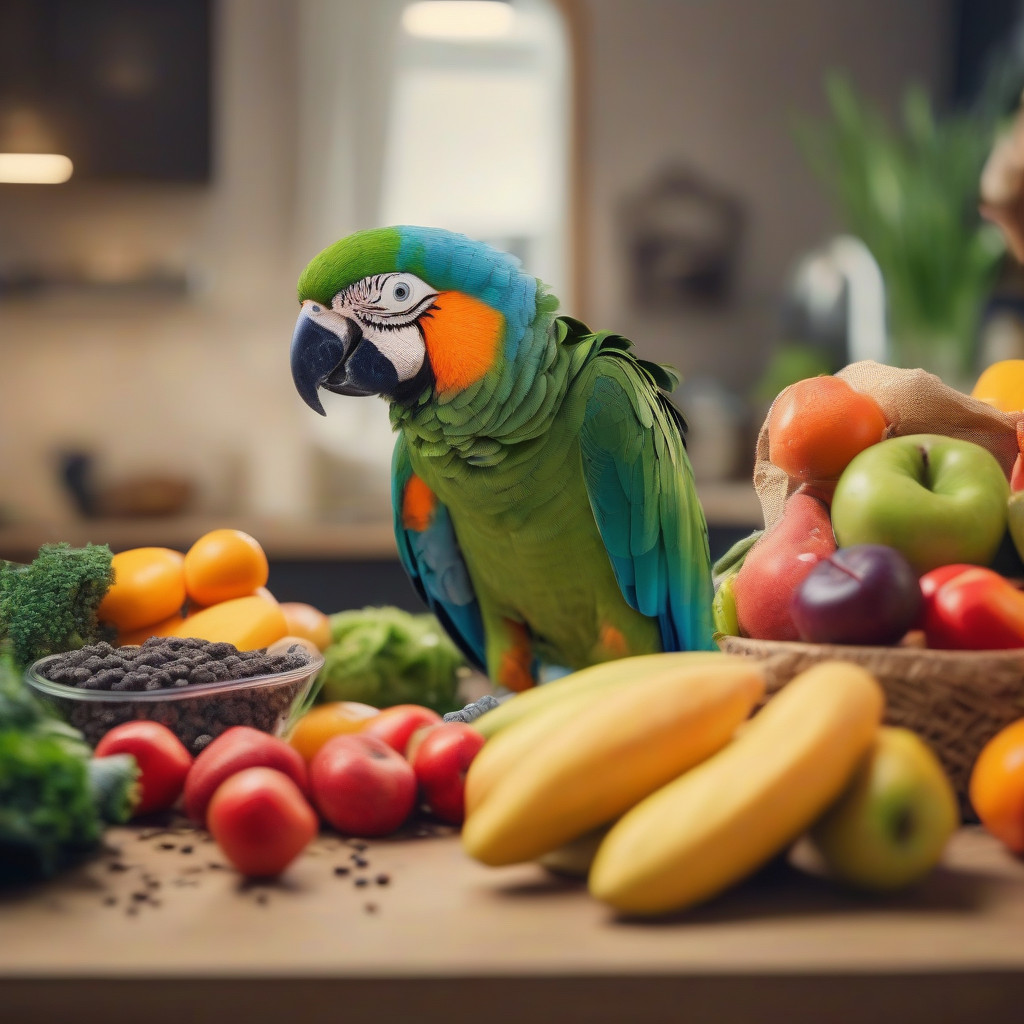
In this article, you will find comprehensive information about the insidious neurobiological effects of artificial colorings, preservatives, and flavors found in commercial bird feeds on your bird's brain health and mental vitality. We explore scientific nutritional secrets to combat these hidden dangers, shedding light on a wide spectrum of effects from behavioral changes to cognitive decline.

In this article, you can discover the scientific secrets to understanding your cat's undesirable habits, deciphering the neurocognitive mechanisms in their brain, and establishing lasting new routines.
Our dogs' ears are not merely organs for hearing; they are sensitive and complex structures that house a unique 'hidden ecosystem' open to the outside world. The microorganisms living in this ecosystem, along with factors like humidity, temperature, and structural features, can profoundly affect your dog's overall health and even behavioral well-being. This often-overlooked 'silent' world, if not managed correctly, can become the source of insidious inflammations leading to chronic pain, stress, and behavioral changes. As of May 2026, the latest neurobiological research in veterinary science allows us to better understand these hidden connections.
Unlike humans, dogs' ear structures feature an L-shaped canal. This structure provides an ideal breeding ground for bacteria and yeasts in a warm, moist, and dark environment. However, the mere presence of these microbes isn't the problem; the real issue lies in the disruption of this ecosystem's balance. Any discomfort in the ear directly impacts your dog's mood and behavior through neural signals transmitted to the brain.
Dogs' ears are not only auditory organs but are also closely linked to their balance centers. The vestibular system in the inner ear provides the dog with spatial awareness and coordination. Inflammation or infection in the ear canal can disrupt balance signals, causing your dog to feel restless, shake their head, or experience an unsteady gait. This situation activates fear and stress centers in the brain, such as the amygdala, increasing the dog's overall anxiety. Furthermore, scent glands within the ear can be an area where the dog expresses its own biochemical status, which can be linked to general dermatological health, as discussed in the article Your Dog's Coat's Hidden Micro-Climate: 5 Neurobiological Effects of Grooming and Scientific Secrets for Protecting Skin Health!.
Recent research, much like that demonstrating the gut microbiome's impact on overall health and behavior, suggests that the ear microbiome operates via a similar 'microbiome-brain axis.' An imbalance in the bacterial and yeast populations within the ear canal (dysbiosis) leads to local inflammation. This inflammation triggers the release of pro-inflammatory mediators like cytokines and chemokines. These chemicals can enter the bloodstream, cross the blood-brain barrier, and lead to neuroinflammation. Neuroinflammation, in turn, can affect your dog's mood, learning ability, and even pain threshold, which may manifest as symptoms akin to those described in Your Dog's 'Hidden Itch Traps': Neuroimmunological Triggers of Skin Allergies and Stress-Zeroing Scientific Solutions!.
Dogs often do not overtly display their pain and discomfort. Chronic 'silent inflammation' in the ear canal initially manifests through subtle behavioral changes that are hard to notice. Over the long term, this condition can severely diminish your dog's quality of life.
Frequent scratching of the ears, head shaking, or rubbing ears against objects are the first and most apparent signs. However, as the condition progresses, avoidance of ear touching, aggressive reactions, or a general grumpy disposition may be observed. These hidden pain signals create a constant state of alarm in the dog's neural system, leading to chronic stress. This overall stress burden is similar to that discussed in Your Dog's 'Invisible Fatigue' Signals: Neurobiological Effects of Over-Exercise and Stress.
Chronic pain and discomfort caused by ear inflammation increase cortisol secretion from the dog's adrenal glands. Elevated cortisol levels suppress the immune system, exacerbate inflammation, and lead to overstimulation of the nervous system. This disrupts the dog's normal routine and behavioral balance, potentially leading to serious issues such as anxiety, sleep disturbances, and even aggression. Similarly, Your Dog's 'Silent Pressure Zones': Neurobiological Stress Points at Home and Secrets to a Peaceful Living Environment can also affect cortisol levels.
Maintaining a healthy hidden ecosystem within the ear canals requires a proactive and scientifically grounded care routine. Regular and correct care is vital to prevent insidious inflammations and enhance your dog's neurobiological well-being.
Ear cleaning should be performed with special solutions recommended by a veterinarian, tailored to your dog's ear structure and needs. Harsh objects like cotton swabs should be avoided; instead, use soft gauze or cotton balls. Over-cleaning can also disrupt the ear's flora and have an adverse effect. Weekly visual checks and smelling are crucial for catching early signs.
Your dog's diet has a direct impact on overall inflammation levels. A diet rich in Omega-3 fatty acids (EPA and DHA) can help modulate inflammatory processes in the body. Antioxidants and minerals, like those discussed in Your Dog's Hidden 'Cofactor Crisis' in the Food Bowl: 5 Insidious Mineral Deficiencies Sabotaging Enzyme Activities and Lifesaving Scientific Solutions!, also support the immune system and contribute to maintaining ear health. Reviewing your dog's dietary program with your veterinarian can establish a strong defense against chronic ear problems.
Your dog's environment plays a significant role in ear health. Especially for dogs who love swimming or live in humid climates, ear dryness must be ensured. Allergens (like pollen, dust mites) and irritants (like perfumes, cigarette smoke) can cause allergic reactions and inflammation in the ear canal. Reducing allergen exposure at home can indirectly support ear health.
If you notice any redness, swelling, foul odor, excessive discharge, any signs of pain, or behavioral changes in your dog's ears, you should consult a veterinarian immediately. Early diagnosis and appropriate treatment are crucial for preventing chronic ear problems and associated neurobiological discomforts. Remember, your dog's ears are sensitive gateways through which they perceive the world; keeping these gateways open and healthy is essential for them to lead a happy and balanced life.
