Your Cat's 'Secret Social Spaces' in a New Home: Scientific Codes to Overcome Adaptation Anxiety and Build Trust
Adopting a new cat is an exciting start for both you and your little friend. However, cats are sensitive creatures, and adapting to a new environment can be challenging for them. Understanding the stress and anxiety your cat experiences during this process is the fundamental key to providing them with a safe and peaceful home. Scientific research offers in-depth clues to understanding cats' social interactions and the bonds they form with their environment. In this article, you will discover your cat's 'secret social spaces' in their new home, scientifically decode their adaptation anxiety, and build a lasting trust relationship.
Scientific Foundations of the Adaptation Process: Your Cat's 'Invisible SOS Signals'
Cats are highly sensitive to changes in their environment. A new home means entirely unfamiliar scents, sounds, and sights for them. This can compromise their sense of security and lead to various behavioral issues. Specifically, hiding, loss of appetite, excessive grooming, or house soiling seen in newly adopted cats are actually 'invisible SOS signals' of the stress and anxiety they are experiencing. Reading these signals correctly is the first step in meeting your cat's basic needs and supporting them.
Hiding Behavior: A Security Blanket or a Cry for Help?
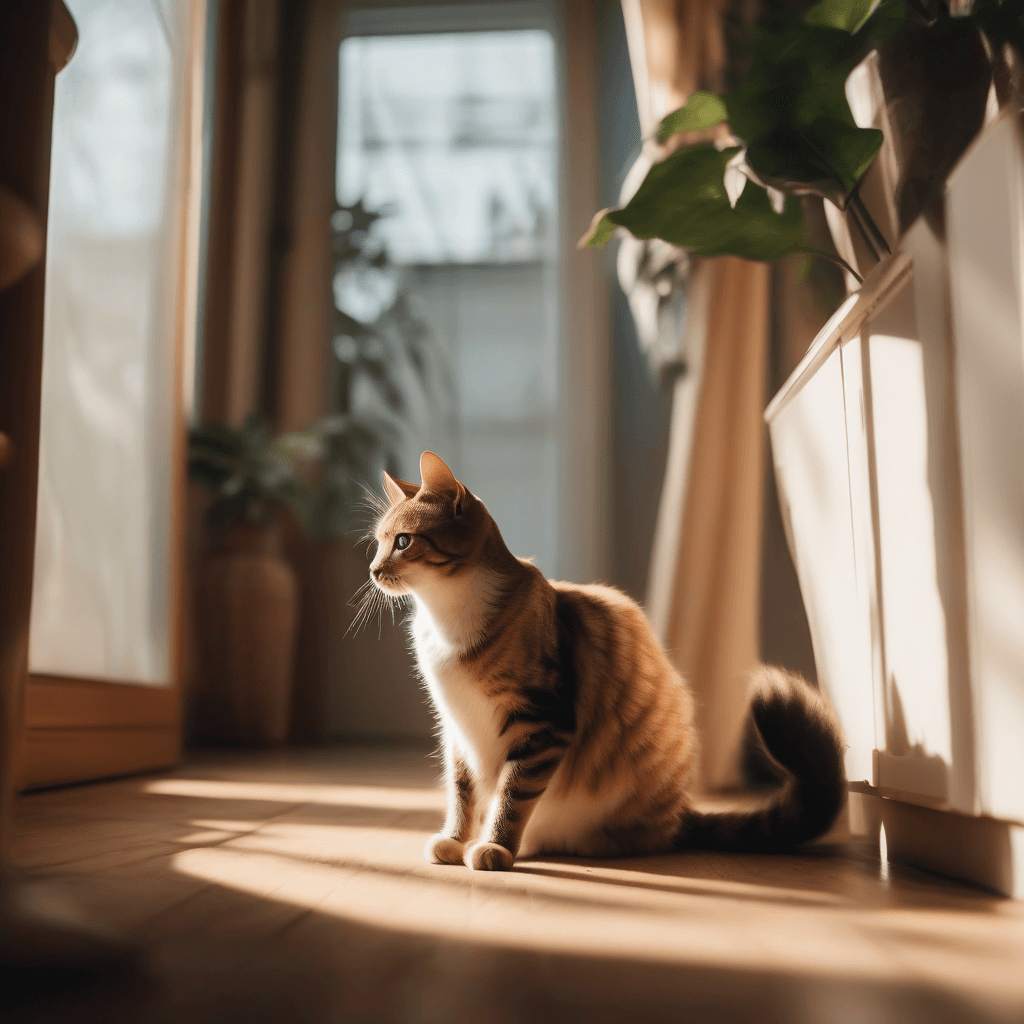
It is quite natural for your cat to hide in cupboards, under beds, or on high shelves during the first few days. This behavior is their subconscious effort to create a 'safe space'. However, if this hiding period extends, or if your cat avoids even basic needs like eating and drinking, it may indicate deeper anxiety. At this point, it's important to let them explore at their own pace, without pressure. You can slowly invite them out with a soft voice and engaging toys. Helping your cat build silent bridges in their new home will accelerate this process.
Redefining Social Spaces: Creating Your Own 'Territory'
Cats, by nature, establish their own 'social spaces'. In a new home, these spaces must be under their control. Providing them with multiple calm and accessible hiding spots (cardboard boxes, high shelves, tunnels) makes this process easier. These spaces, which help your cat feel more comfortable with environmental changes, play a critical role in reducing their adaptation anxiety. This is part of their invisible sensory universe, as scent and visual cues are key to them understanding the world.
Scientific Codes for Building Trust: The Art of Bonding with Your Cat
Building trust with your cat requires patience, understanding, and the right strategies. The foundation of your relationship lies in understanding and respecting their communication language.
The 'Slow Blink' Technique: The Secret Key to Cat Communication
One of the most effective ways to communicate with cats is the 'slow blink' technique. Slowly closing and opening your eyes shows your cat that you are not a threat, and that you are relaxed and safe. This is one of the first and strongest steps in the bond you establish with them. If your cat maintains eye contact and slow blinks back at you, it is a sign of their trust. This is akin to a cat version of a silent communication protocol.
Scent Signature Zones: Securing Their 'Territory'
Cats perceive the world through scent, and scent is synonymous with identity and security for them. When your cat arrives in a new home, spreading their scent around allows them to feel that this new place is 'their own'. To speed up this process, you can place their blankets or toys in various parts of the house. Places with their own scent will help your cat feel more secure. This demonstrates the profound impact of scent on animal behavior, much like a rabbit's internal compass.
The Scientific Power of Play: Reducing Stress and Strengthening Bonds
Play is not just fun for cats; it's also a way for them to relieve stress and satisfy their hunting instincts. Playing with them regularly strengthens your bond and reduces their stress levels. Toys that trigger their hunting instincts (wand toys, laser pointers - use with caution) help your cat expend energy. Remember, your cat has a secret play language, and play is a crucial part of this language.
Managing Social Spaces in Multi-Cat Environments
If you have other cats in the house, the socialization process for the new cat can be more complex. Cats naturally tend to protect their territories, and the presence of a new member can disrupt this balance. In such cases, respecting their 'invisible borders' and preventing 'silent territorial wars' is essential.
Slow and Controlled Introductions: Like a 'Quarantine Shield'
Instead of immediately putting the new cat together with existing cats, a controlled introduction process should be followed. Keeping them in separate rooms initially, allowing them to smell each other, and then arranging short, supervised encounters can make the process less stressful. This requires careful management, similar to managing the secret social hierarchy of fish in an aquarium. Each cat having its own space reduces friction.
Positive Reinforcement: The Power of Reward and Appreciation
Rewarding your cats when they have positive interactions (food, loving words, petting) helps them reinforce these positive experiences. This helps both existing cats and the newcomer develop more positive feelings towards each other. Understanding your cat's invisible borders and respecting them is fundamental to creating a peaceful environment at home.
Conclusion: Building a Lasting Bond with Your Feline Friend
Your cat's adaptation to their new home lays the foundation for the relationship you will build with them. The patience, understanding, and scientifically based approaches you demonstrate during this process are critical for your cat's physical and emotional well-being. Understanding their 'invisible SOS signals', exploring their 'secret social spaces', and applying the 'scientific codes' for building trust will allow you to establish a strong and loving bond that lasts a lifetime. Remember, every cat is an individual, and respecting their pace during this process is the greatest key.