Your Cat's 'Unknown Energy Source': The Secret Wars of High-Protein Diets and the Revolution in Digestive Secrets!
As of March 2026, our scientific understanding of the nutrition of our feline companions is rapidly evolving. Particularly, the effects of high-protein diets on cats have moved beyond mere 'recommendations' to become a deeply studied field of science. However, this protein-centric feeding regimen brings its own set of challenges and 'secret wars.' In this article, we will delve into the lesser-known aspects of high-protein diets that can skyrocket your cat's energy levels, explore the potential 'buttons' within their digestive system, and uncover the scientific secrets to gently adjusting these 'buttons.'
The 'Silent Screams' of Protein Overload: Scientific Codes of Digestive Chaos
Cats, by nature, are obligate carnivores, and their metabolism is built upon protein-based energy production. However, the concept of 'high protein' signifies a far more delicate balance than one might assume. Some cats can be sensitive to excessive protein intake, which can manifest in various digestive issues:
- Sudden and Severe Diarrhea: Undigested excess protein can rapidly ferment in the intestines, leading to increased water absorption and causing sudden diarrhea. This is one of the first and most obvious signs observed in your cat's stool.
- Nausea and Vomiting: An overloaded digestive system unable to cope with the protein load can cause significant stomach upset, leading to frequent nausea and post-meal vomiting. These vomitings may contain undigested protein particles.
- Gas and Bloating: Bacterial fermentation of proteins in the intestines can produce much more gas than normal. This can cause uncomfortable bloating and restlessness in your cat's abdomen.
- Increased Stool Odor: Fermented proteins produce foul-smelling gases, causing your cat's stool to have a much sharper and more unpleasant odor than usual.
These symptoms are the silent screams of your cat's body indicating it cannot cope with this load. Understanding this is the first step in determining the correct nutritional strategy.
Taurine: The 'Secret Hero' of High-Protein Diets
One of the non-negotiable components of high-protein diets is an essential amino acid called 'taurine.' Cats cannot produce sufficient taurine on their own; therefore, they must obtain it from their diet. Taurine is especially critical in a high-protein diet because:
- Heart Health: Taurine is vital for the proper function of a cat's heart muscle. Deficiency can lead to serious heart conditions such as dilated cardiomyopathy (DCM). In high-protein diets, as taurine can also be utilized during protein breakdown, ensuring adequate intake is paramount.
- Eye Health: Taurine also supports your cat's vision functions. Deficiency can lead to retinal degeneration and blindness.
- Digestive Support: Taurine plays a role in fat digestion and aids in the production of bile acids. This can help alleviate some of the digestive challenges posed by a high-protein diet.
Therefore, you must ensure that the high-protein cat food you choose contains adequate amounts of taurine. A conscious choice will ensure your cat is both strong and healthy.
The Science of 'Sensory Digestion': Secrets Beyond Food Selection
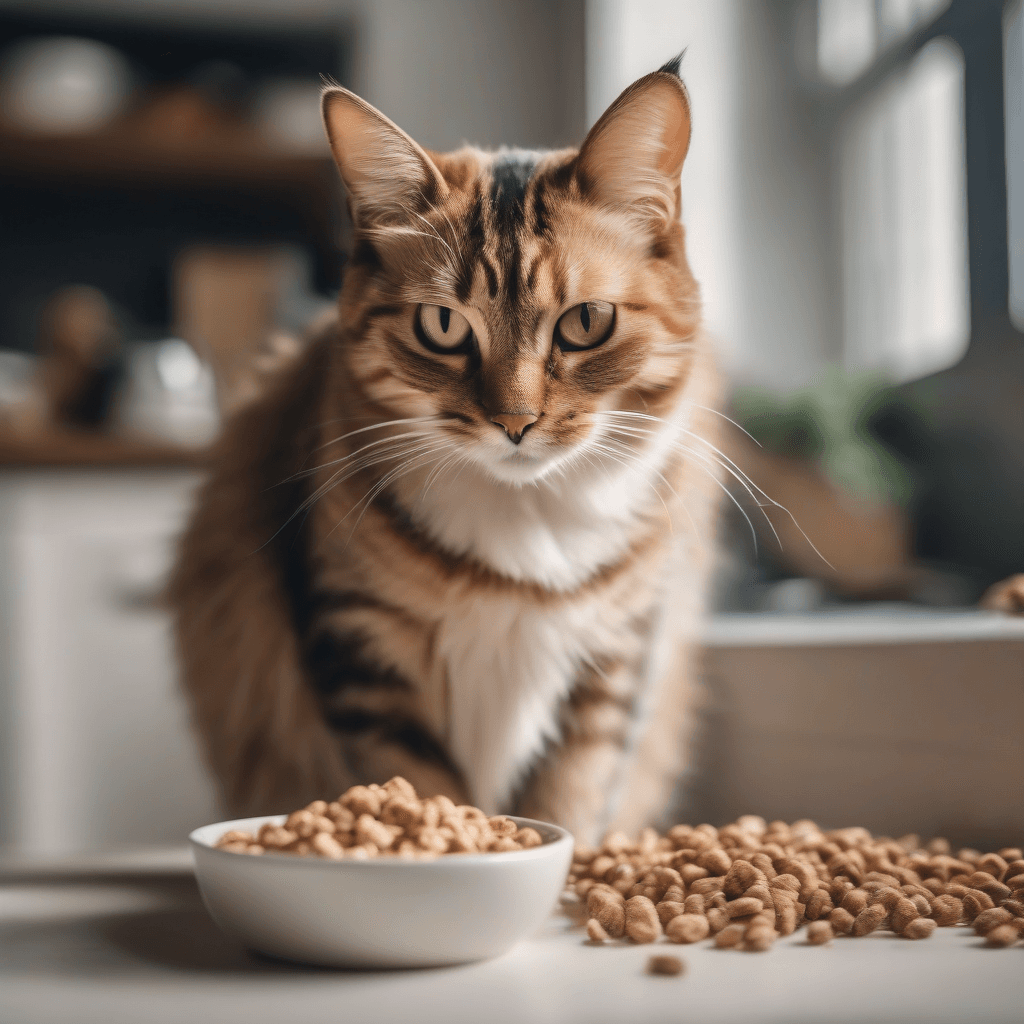
Your cat's adaptation to a high-protein diet is not just a result of its digestive system but also its 'sensory perception.' Cats place great importance on the texture, smell, and taste of their food. High-protein foods can often have a more intense smell and a different texture. This can lead to 'food refusal' or 'picky eating' behaviors in some cats.
- Gradual Transition Protocol: Introducing your cat to a new diet should never be abrupt. Start by mixing their old food with the new high-protein food at a 25% to 75% ratio and gradually shift this ratio towards the new food over 1-2 weeks. This allows the digestive system time to adapt.
- Texture and Flavor Optimization: Consult with your veterinarian to explore formulas that are appealing to your cat's palate but still high in protein and easy to digest. Some foods are made more attractive by varying protein sources (e.g., salmon, turkey, chicken) and textures.
- Moisture Addition: High-protein diets based on dry food require increased water intake. Increasing the water content of food or mixing it with wet food can support digestive health. Continuously monitor your cat's water consumption. (This shares principles with our article Your Rabbit's 'Invisible Hydration Language': Vital Secrets of Water Consumption and Stealthy Dehydration Threats! but requires different approaches for cats.)
Veterinary Supervision: The Safest Way to Decipher 'Secret Codes'
Every cat is an individual, and a high-protein diet that works perfectly for one may not be suitable for another. Therefore, you must consult your veterinarian when changing your cat's diet or switching to a high-protein regimen.
Your veterinarian will help you determine the most appropriate diet by assessing your cat's overall health, age, activity level, and potential allergies. Tests such as blood work, kidney function, and urinalysis are critical for monitoring the long-term effects of high-protein diets. (This aligns with the principle of systemic monitoring in our article What Happens When Your Dog's 'Internal Compass' Fails? The Deep Science of Fear of Getting Lost and 5 Lifesaving Emergency Steps, but specific tests may differ for cats).
In conclusion, while high-protein diets hold the potential to boost your cat's energy levels and overall health, this journey requires careful planning, scientific knowledge, and veterinary supervision. Deciphering your cat's 'secret digestive codes' while exploring their 'unknown energy source' is the key to providing them with a long and healthy life.