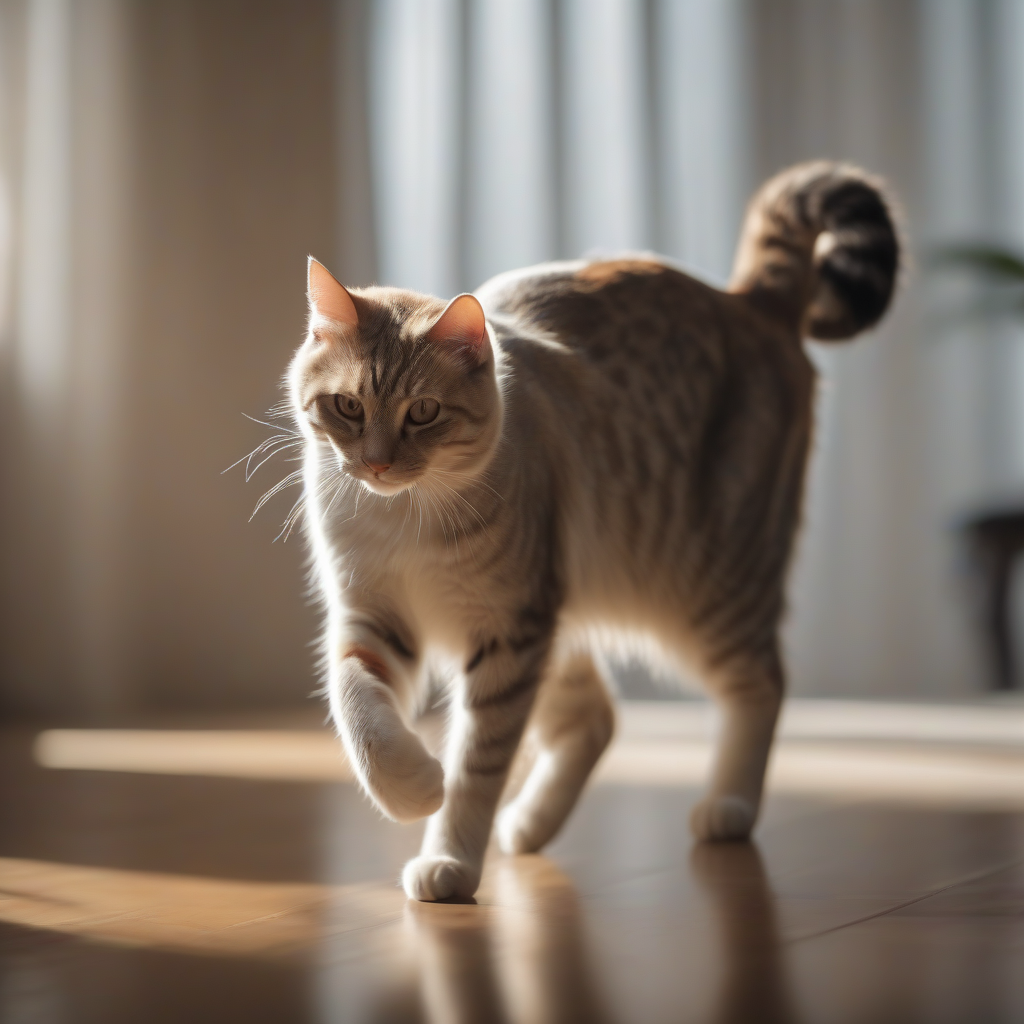
In this article, we delve into 5 little-known neurocognitive signs of Feline Hyperesthesia Syndrome (FHS) in cats and scientifically-backed strategies to manage this complex condition. Discover solutions to enhance your cat's quality of life.

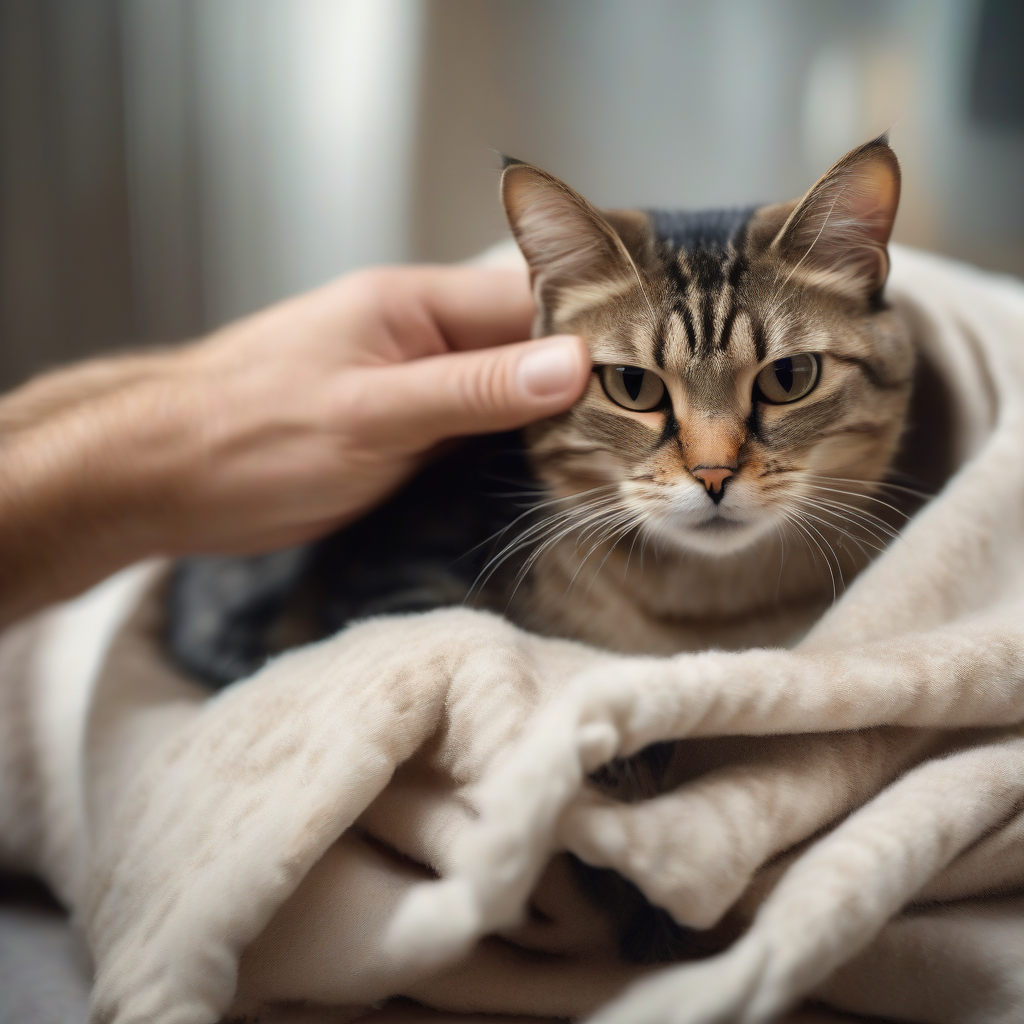
While cats possess a surprising ability to adapt to high-rise fall traumas, the insidious neurophysiological effects on their brain carry vital risks. In this article, we reveal 5 critical neurobiological effects your cat may experience after a fall and the lifesaving emergency intervention codes with scientific secrets.

In this article, you will discover how your rabbit copes with unexpected situations and its neurocognitive responses to non-routine events. Learn scientific secrets to enhance mental flexibility and manage stress.
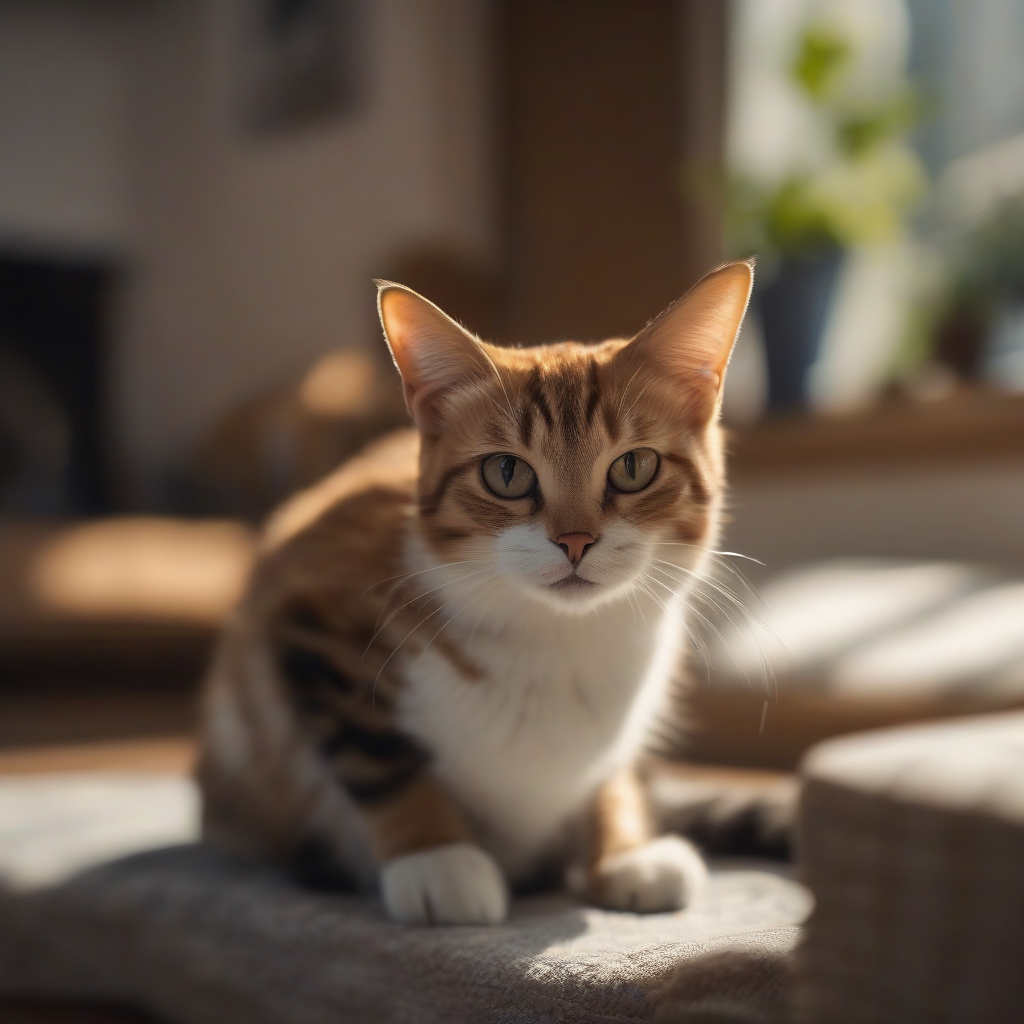
In this article, you will find comprehensive information on the insidious neurophysiological effects of seizures in cats' brains and lifesaving emergency intervention codes during a seizure.
The world of cats often remains behind a veil of mystery for us. Unraveling the intricate connections between our beloved companions' behaviors and health conditions is vital for their well-being. In this context, Feline Hyperesthesia Syndrome (FHS) is a complex and often misdiagnosed condition observed in cats, possessing both neurological and dermatological components. Also known as 'rolling skin syndrome' or 'self-mutilation syndrome,' FHS can create 'phantom pains' in your cat's body that we, as humans, cannot comprehend. As of April 2026, scientific research into the origins and effects of this complex syndrome provides us with more in-depth solutions.
FHS is a rare but potentially devastating disorder characterized by abnormal electrical activity in your cat's nervous system. This condition renders your cat's skin, particularly the back and tail area, extremely sensitive, leading to various behavioral responses. In this article, we will examine 5 insidious neurocognitive signs of FHS and scientifically-backed strategies to help your cat cope with this condition.
The symptoms of Feline Hyperesthesia Syndrome can sometimes be confused with other skin conditions or behavioral problems. Therefore, a thorough understanding of these signs is critical for accurate diagnosis and intervention.
One of the most prominent and striking signs of FHS is involuntary and sudden twitching of the muscles along your cat's back. These twitches often appear as a wave-like motion extending from the base of the tail to the shoulders. This neurocognitive response stems from hypersensitivity in the nerve endings, leading the cat to severely lick, chew, or even pull out fur in this area. These self-mutilating behaviors can result in skin lesions and secondary infections. Your cat's excessive grooming, whether spontaneous or triggered by your touch, might not just be a cleaning act but a manifestation of serious discomfort.
In cats experiencing FHS, abnormal sensations in the tail region can lead the cat to perceive its own tail as prey. This manifests as the cat persistently chasing, attempting to bite, or attacking its tail. This behavior can be compounded by anxiety and panic attacks, altering the cat's overall behavioral profile and sometimes causing sudden aggressive reactions towards its owner. This aggression is a reflection of the internal distress the cat is experiencing.
Another insidious sign of FHS is when a cat suddenly and without apparent reason begins to race around the room as if fleeing from something invisible. During these "fits," cats may meow loudly, jump, or pace restlessly. These behaviors can indicate hallucination-like experiences resulting from the brain misinterpreting sensory input. Your cat's behavior, as if escaping a phantom, could be a symptom of a neurological activity disorder.
When affected areas (typically the back and tail) are touched, cats may exhibit extreme sensitivity, displaying sudden jumps, attempts to bite, or an urge to escape. However, in some cases, the opposite—a lack of response such as "freezing" or "stiffening" when the area is touched—can also be observed. This dual reaction is indicative of an abnormal response of the nervous system to stimuli.
In some FHS cases, cats may enter a "hypnotized" state for a short period. Their eyes might be fixed on a point, their bodies frozen, and they may be unresponsive to external stimuli. This phase usually ends with a sudden burst of running or aggressive behavior. This is a rather unsettling sign, suggesting a neurologically rooted "short circuit" of the syndrome.
The treatment of FHS varies depending on the severity of symptoms and the cat's overall health. However, the primary goal is to alleviate the cat's pain and discomfort, and improve its quality of life.
Diagnosing FHS requires carefully ruling out other conditions that can cause similar symptoms, such as skin diseases (allergies, parasites), orthopedic problems (back pain), neurological disorders (epilepsy), and behavioral anxiety. Your veterinarian will make an accurate diagnosis through physical examination, blood tests, and sometimes imaging (MRI) or skin biopsies.
One of the triggers for FHS is stress and environmental inadequacy. Enriching your cat's living space, providing opportunities for climbing, hiding, and playing, and offering mental stimulation can lower stress levels. A regular and predictable routine can help your cat feel more secure. Furthermore, avoiding sudden changes in your cat's environment and ensuring a calm atmosphere are important.
Some research suggests that Omega-3 fatty acids may alleviate FHS symptoms due to their anti-inflammatory and neuroprotective effects. Adding Omega-3 supplements to your cat's diet or using foods enriched with sources like fish oil can be beneficial. However, the dosage and suitability of such supplements should always be discussed with your veterinarian.
In cases of severe symptoms, your veterinarian may resort to pharmacological treatments such as anti-anxiety medications (e.g., fluoxetine), anticonvulsants (e.g., phenobarbital, gabapentin), or antidepressants (e.g., clomipramine). These medications aim to balance abnormal electrical activity in the nervous system and reduce the cat's discomfort. The treatment plan must be meticulously adjusted to the cat's individual needs.
Positive reinforcement techniques can be used to address the behavioral aspects of FHS. Calming games or interactions that help your cat relax can delay or mitigate the onset of distressing symptoms. With behavioral modification strategies, it's possible to identify your cat's stress triggers and either avoid them or reduce their impact.
Feline Hyperesthesia Syndrome is a complex neurodermatological condition that can significantly impact your cat's quality of life. However, with accurate diagnosis, comprehensive veterinary care, environmental adjustments, and pharmacological support when necessary, your cat's symptoms can be substantially alleviated, and their comfort improved. If you notice sudden twitching in your cat's back, excessive licking, tail chasing, or unexplained behavioral changes, consulting your veterinarian without delay will be the first step in uncovering the truth behind these 'phantom pains'. Remember, understanding your cat's silent cries and offering them scientifically-backed solutions is one of the most important responsibilities of a loving pet owner.
