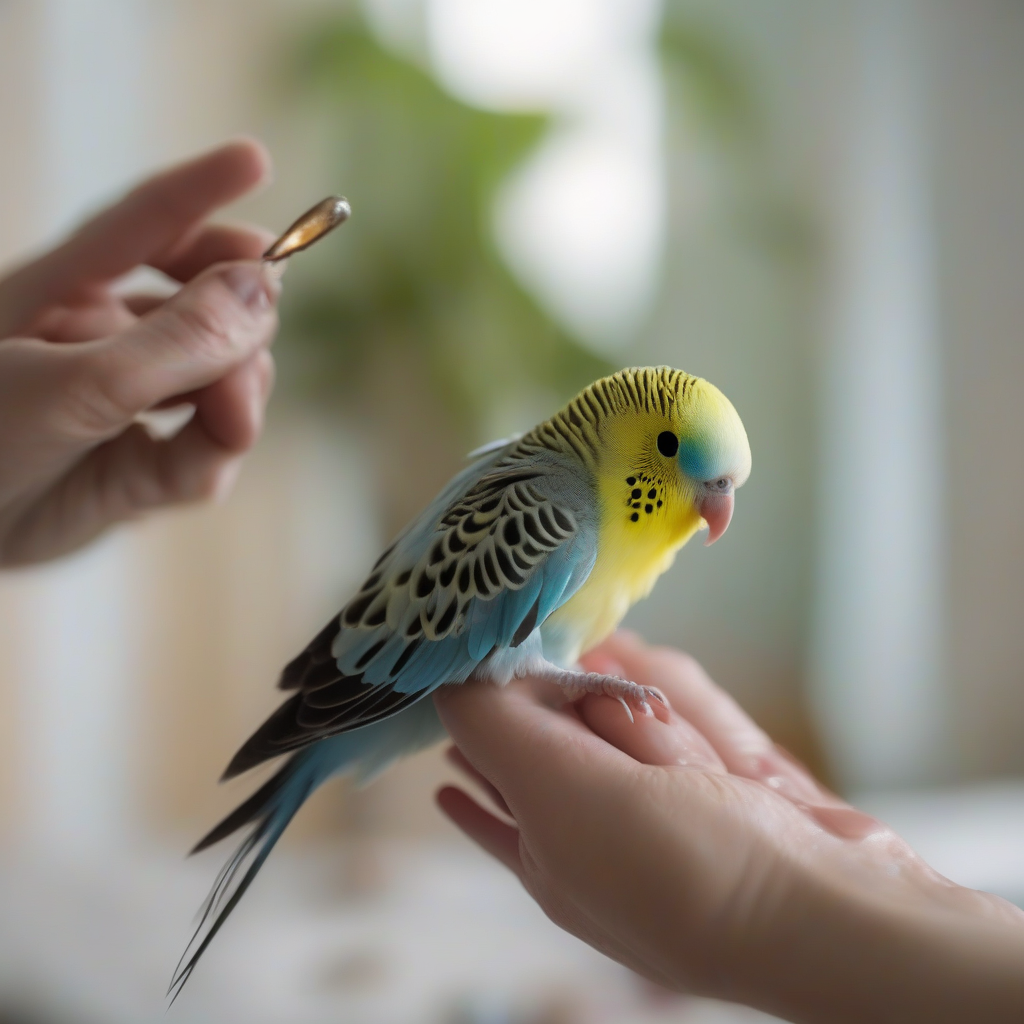
One of the most stressful moments for bird owners is when their tiny companion experiences sudden bleeding. In this article, you'll learn to recognize various types of bleeding, from blood feathers to nail trim accidents, along with lifesaving first aid techniques you can apply in 30 seconds and when to seek immediate veterinary attention, all based on scientific strategies.


Discover the neurobiological signals of hidden stress your newly adopted cat experiences during adaptation to a new social environment. This article reveals 5 insidious signs of your cat's silent struggle and scientific strategies for peaceful, long-term harmony.

Your dog's anal sacs, located beneath the tail, can be hidden alarm bells often overlooked but profoundly affecting their quality of life. In this article, you will discover the 5 insidious neurobiological effects of anal sac problems on the brain and the lifesaving care secrets you need to know for your furry friend to live a peaceful life.
In this article, you will find comprehensive information on the insidious neurotoxic effects of heavy metal poisoning in aquarium fish, its symptoms, and lifesaving emergency intervention codes. This condition, which can arise from household water sources, improper equipment, or neglect, can severely threaten your fish's quality of life and lifespan.
Birds, with their delicate structures and high metabolic rates, are creatures where even a minor bleed can quickly escalate into a serious emergency. Many bird owners might panic when their pet suddenly starts bleeding. However, with the right knowledge and preparation, it's possible to perform lifesaving interventions within seconds. In this guide, you will discover common types of bleeding in birds, how to recognize them, and most importantly, scientifically backed first aid secrets you can apply without delay.
Birds have a very small blood volume relative to their body weight. This means that even a small amount of blood loss can rapidly lead to shock or death. Furthermore, the sensitivity of blood vessels in feather follicles and the quick in their nails increase the risk of bleeding during daily activities. Rapid intervention plays a critical role in saving your tiny companion's life.
Various types of bleeding can occur in birds, and it's essential to remember that each may require a different approach:
This is one of the most common types of bleeding. New, still-growing feathers (blood feathers) contain active blood vessels within their shaft. If these feathers are broken or damaged, significant and sometimes severe bleeding can occur. Persistent dripping or feathers soaked in blood are tell-tale signs. Our article Your Bird's Secret Feather Renewal Secrets: Stress-Triggered Anomalies and a Scientific Care Guide for a Smooth Molt provides more insights on this topic.
Occurs when the quick (live tissue) inside the nail is accidentally cut during a nail trim. It usually starts lightly but can become severe if not stopped. The blood is bright red and typically drips.
Injuries to the skin or tissues caused by sharp objects in the cage, falls, or fights with other birds. The extent of bleeding varies depending on the depth and location of the wound. To identify potential hazards in your bird's environment, you can draw inspiration from the safety principles in Your Dog's Secret Scent Lab: Detect Invisible Household Dangers in 5 Seconds!.
Bleeding occurring in internal organs due to trauma, organ damage, or systemic diseases. Such bleeding may not be visible externally but can manifest as lethargy, paleness, abdominal swelling, or bloody droppings. In this case, immediate veterinary attention is crucial.
When you notice bleeding, staying calm and acting quickly is paramount:
Stay Calm and Secure Your Bird: Panicking will harm both you and your bird. Gently but firmly wrap your bird in a towel, making sure not to impede its breathing. This prevents further stress for the bird and allows you to intervene safely.
Apply Pressure: Apply gentle but continuous pressure to the bleeding area with a clean gauze pad or cotton. For blood feathers, press lightly towards the root of the bleeding feather. For nail bleeding, apply pressure to the tip of the nail. Maintain this pressure for at least 30 seconds, ideally 1-2 minutes. Do not release until the bleeding stops.
Use Styptic Agents: You can use styptic powder available from pharmacies or cornstarch/flour from home. Press a generous amount of this powder onto the tip of the bleeding nail or feather. This helps the blood clot. IMPORTANT: Be careful not to let the powder get into the bird's respiratory tract.
Plucking a Blood Feather (Only for Severe and Continuous Bleeding): If bleeding from a blood feather does not stop despite applying pressure and styptic powder, the feather may need to be plucked. This procedure is quite painful and carries a risk of infection, so it should generally be performed by a veterinarian. However, in life-threatening situations where bleeding is profuse and a vet is not immediately accessible, you may need to quickly and decisively pluck the feather close to the skin's root using sterile pliers. This should only be considered as a last resort.
If you encounter any of the following situations, it is vital to take your bird to a veterinarian immediately:
Remember, just like a good Your Cat's Secret Lifesaving Kit: 5 Rare Poisoning Symptoms to Recognize in Seconds, having a basic first aid kit for your bird is always a good idea. This kit should include styptic powder, sterile gauze, cotton, tweezers or small pliers, and disinfectant. Being prepared can save your tiny feathered friend's life and reduce panic during emergencies. Preventive measures and regular veterinary check-ups are also crucial for your bird's overall health.
