
In this article, you'll learn how your dog uses their secret scent lab within your home and how they perceive environmental dangers you might not notice. A deep dive into understanding your furry friend's subtle environmental signals.


Discover the neurobiological signals of hidden stress your newly adopted cat experiences during adaptation to a new social environment. This article reveals 5 insidious signs of your cat's silent struggle and scientific strategies for peaceful, long-term harmony.

Your dog's anal sacs, located beneath the tail, can be hidden alarm bells often overlooked but profoundly affecting their quality of life. In this article, you will discover the 5 insidious neurobiological effects of anal sac problems on the brain and the lifesaving care secrets you need to know for your furry friend to live a peaceful life.
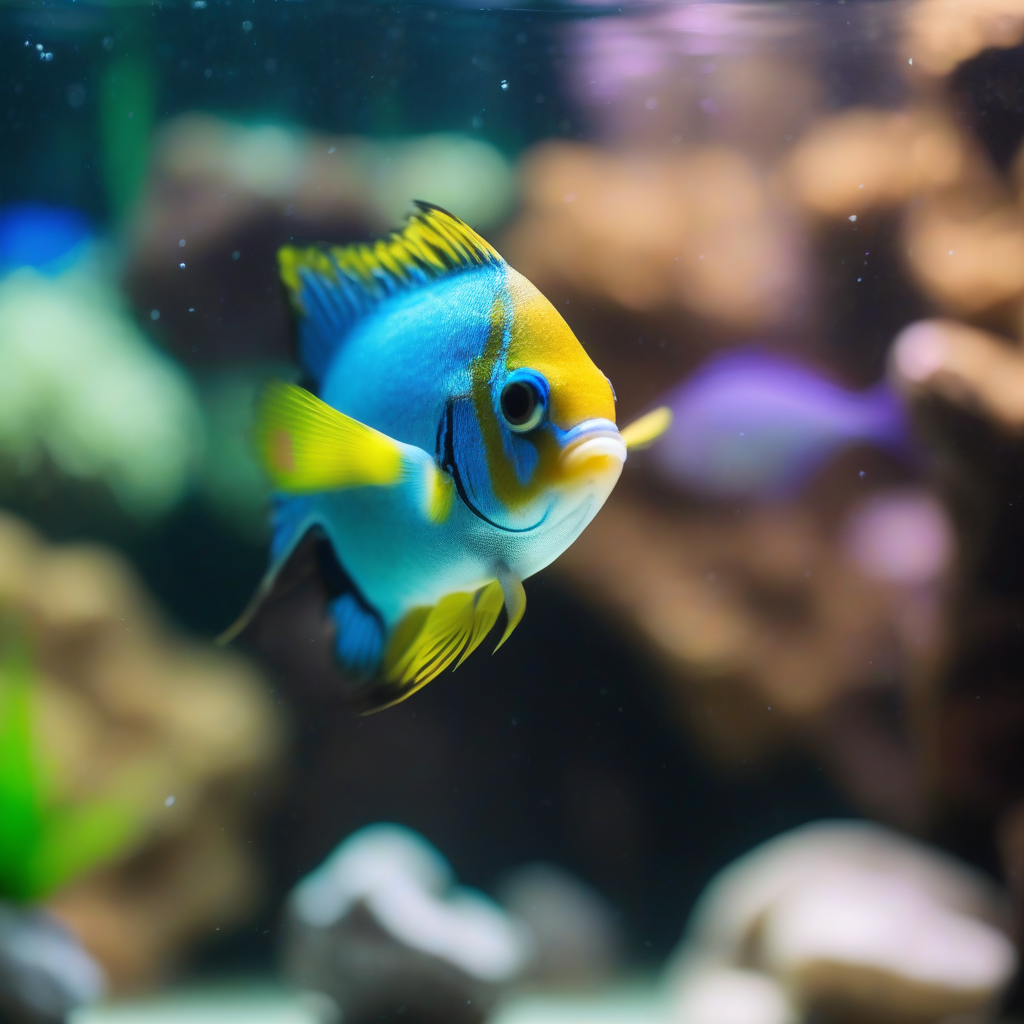
In this article, you will find comprehensive information on the insidious neurotoxic effects of heavy metal poisoning in aquarium fish, its symptoms, and lifesaving emergency intervention codes. This condition, which can arise from household water sources, improper equipment, or neglect, can severely threaten your fish's quality of life and lifespan.
As of March 2026, our awareness of our pets' health and well-being is higher than ever. However, sometimes, even with the best intentions, we fail to fully grasp their environmental perceptions. Did you know that our dogs, with their incredible sense of smell, essentially turn our homes into secret scent laboratories? Understanding these senses of our companions, who can detect many environmental details that escape your notice, is key to making their living spaces safer and happier.
While the human nose has about 5 million scent receptors, a German Shepherd's nose can have up to 220 million. This vast difference means they experience the world with an entirely different dimension than we do. Every surface in your home, every piece of furniture, even the smallest crack between walls, offers a complex scent map for them. This map isn't just about familiar smells; it also harbors potential dangers.
There are many elements in your dog's living environment that might seem ordinary to you but could trigger an alarm for them. Some of these include:
Understanding your dog's hidden scent signals can help you create a safer living space for them. Here are steps you can take:
Your dog's nose is not just a communication tool but also a security alarm. By understanding this hidden laboratory, we can improve our pet's quality of life and detect potential dangers even before they do. This is not just about arranging their living space; it's a demonstration of the love and care you have for your companion.
