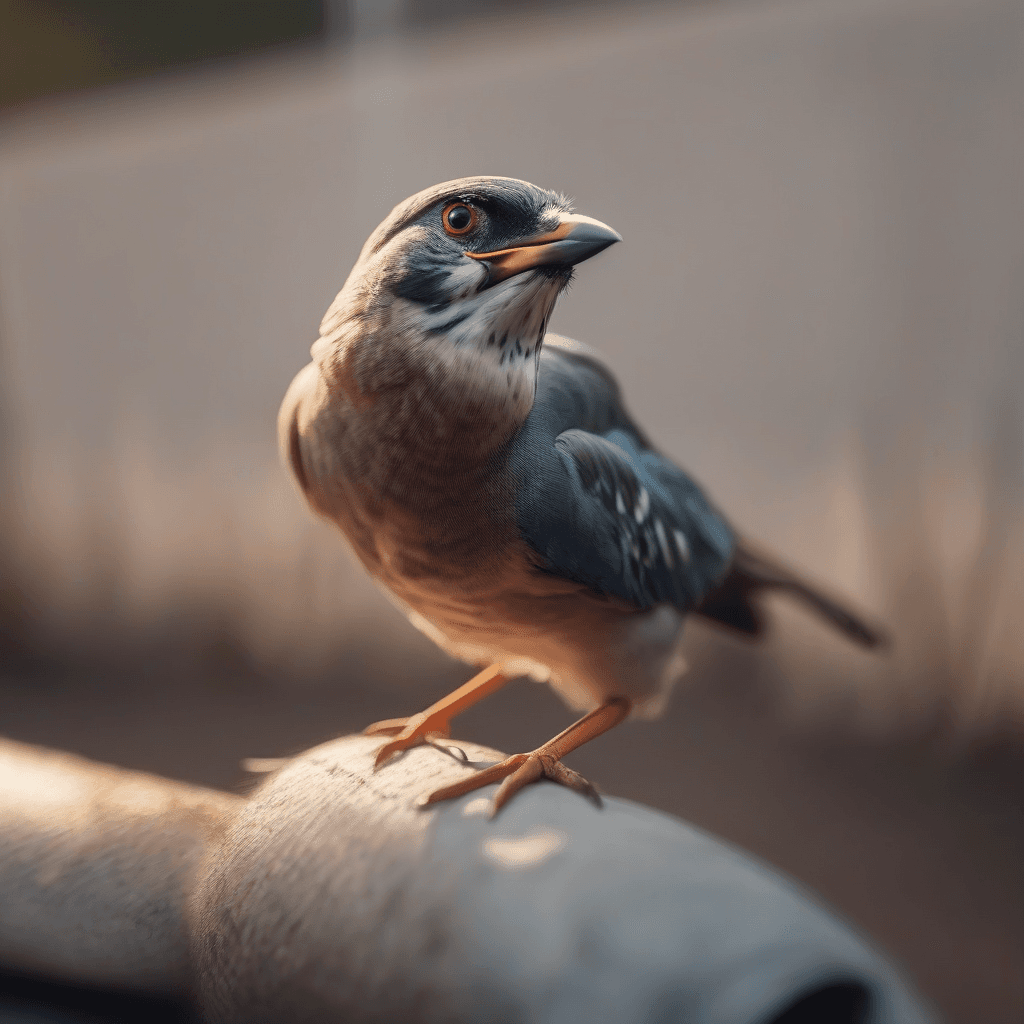
Birds, with their delicate physiology and rapid metabolism, can be highly vulnerable to sudden health issues. Respiratory distress, in particular, is one of the most urgent conditions requiring veterinary intervention. However, critical steps taken before reaching the veterinary clinic can sometimes save your friend's life. In this article, we will discuss in detail how crucial seconds are during your bird's sudden respiratory failure crisis and the scientific-based first aid interventions you should implement.
The key to saving a life is to quickly recognize the problem and act without panic, applying the correct steps. Remember, this information does not replace your veterinarian, but it can help you gain time in emergency situations.
What are the Insidious Signs of Sudden Respiratory Distress in Birds?
Birds tend to hide their pain or discomfort. Therefore, recognizing the early signs of respiratory distress can be challenging. However, careful observation can help you catch some clues:
- Rapid and Shallow Breathing: If your bird is breathing faster than usual, with noticeably increased chest movements.
- Open-Mouth Breathing: Especially in smaller species, your bird attempting to breathe with its mouth open is a serious sign.
- Wing Drooping and Flapping: Birds making extra effort to breathe may droop their wings slightly or flap them involuntarily while exhaling.
- Vocalization During Breathing: Abnormal sounds like wheezing, hissing, or grunting can indicate a blockage or inflammation in the respiratory tract.
- Lethargy and Imbalance: A sudden drop in energy levels, difficulty maintaining balance, or more inactivity than usual.
- Changes in Body Posture: Signs of discomfort such as stretching the neck upwards, extending it, or hunching the back.
When you notice any of these symptoms, it is crucial to act without delay.
Lifesaving 5-Second Intervention in a Sudden Respiratory Failure Crisis
The moment you notice your bird experiencing sudden respiratory distress, stay calm and focus on implementing the following steps:
1. Calm the Bird and Change the Environment
- Goal: To reduce stress and help normalize breathing rate.
- Action: Gently pick up your bird or place it in a safe location. If possible, remove other birds from the environment. Move it to a quiet, dimly lit area away from noisy surroundings. Avoid direct sunlight or sudden temperature changes. Calming your bird will reduce its oxygen demand.
2. Provide Humid Air (Be Cautious!)
- Goal: To moisten the respiratory tract and alleviate congestion.
- Action: Place the bird in an enclosed space (e.g., a bathroom or a large box) containing a bowl of warm water. Avoid placing your bird directly into the water, only allow it to inhale the steam. An ambient temperature of around 24-27°C is ideal. Avoid extreme heat or cold. Tips on using humid air from our article [Your Bird's 'Silent Fungal Whispers': Insidious Signals of Aspergillosis and 5 Scientific Strategies to Save Their Lungs!] are also applicable here, but this is a simpler and faster application for emergencies.
3. Create an Oxygen Source (Even Without Direct Oxygen)
- Goal: To increase the amount of oxygen your bird can take in.
- Action: If you have an oxygen concentrator or a veterinary oxygen tank at home, bring the bird close to this source. If not, the humid air application mentioned above can help the body utilize oxygen more effectively. Slightly opening a window can also provide fresh air flow, but be cautious as it may increase the risk of exposure to cold air.
4. Check the Feathers
- Goal: To identify any physical obstruction that may be causing congestion.
- Action: If your bird is drooping its wings, gently check for any foreign objects under or around its wings. However, be careful not to stress the bird further while doing this. If you see something that can be easily removed, carefully remove it. Information from our article [Your Bird's 'Invisible Armor': The Scientific Codes of Feather Health and Care! Unraveling the Truths Behind Molting] regarding feather care and body structure can assist in such checks.
5. Proceed to the Veterinary Clinic
- Goal: To obtain professional medical intervention.
- Action: While applying the above steps or immediately after, inform your nearest emergency veterinary clinic and begin your journey. Place the bird in a secure, ventilated carrier, ensuring it stays warm. Enhance its comfort by placing a soft cloth inside the carrier. Stay in contact with your veterinarian and update them on the situation.
What to Do and What to Avoid?
- Avoid Panicking: Your bird sensing your stress can worsen the situation.
- Avoid Self-Medicating: Administering human medications or unverified remedies found online can be fatal to birds.
- Avoid Force-Feeding: Force-feeding a bird experiencing respiratory distress increases the risk of aspiration.
- Avoid Sudden Movements: Be gentle when handling or moving the bird.
- Maintain Stable Ambient Temperature: Extreme heat or cold can negatively affect your bird's condition.
Conclusion
Sudden respiratory distress in your bird is a serious condition that should not be ignored. Learning and applying the 5-second lifesaving intervention science outlined above can increase your friend's chances of survival even in the worst-case scenarios. However, it must be remembered that these steps are only a temporary solution. Seeking veterinary attention as soon as possible to diagnose the underlying cause and administer appropriate treatment is vital. Always be prepared for your feathered friend's health and act with knowledge.