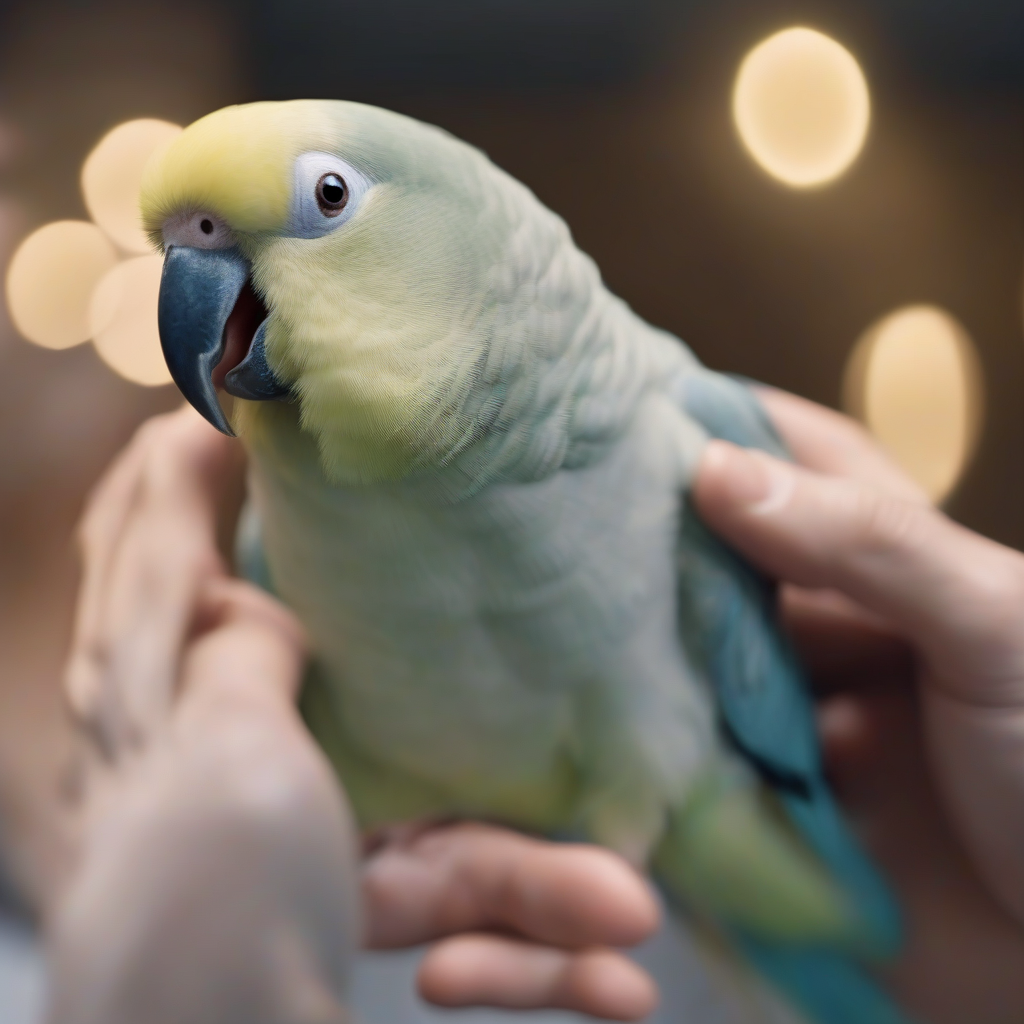
In this article, you will find comprehensive information on the deadly signs of acute respiratory obstruction in your bird and 5 critical scientific first aid steps you can apply until you reach a veterinarian.


Discover the neurobiological signals of hidden stress your newly adopted cat experiences during adaptation to a new social environment. This article reveals 5 insidious signs of your cat's silent struggle and scientific strategies for peaceful, long-term harmony.

Your dog's anal sacs, located beneath the tail, can be hidden alarm bells often overlooked but profoundly affecting their quality of life. In this article, you will discover the 5 insidious neurobiological effects of anal sac problems on the brain and the lifesaving care secrets you need to know for your furry friend to live a peaceful life.
In this article, you will find comprehensive information on the insidious neurotoxic effects of heavy metal poisoning in aquarium fish, its symptoms, and lifesaving emergency intervention codes. This condition, which can arise from household water sources, improper equipment, or neglect, can severely threaten your fish's quality of life and lifespan.
Birds are among the most delicate creatures with highly sensitive respiratory systems. Their tiny bodies and unique physiology make acute respiratory obstructions a fatal threat. Such emergencies are race-against-time situations, requiring intervention within seconds. For a bird owner, early recognition of these insidious signs and application of correct scientific first aid protocols are crucial for saving their tiny companion's life. The 'golden minutes' until reaching the veterinary clinic often determine the bird's fate.
The avian respiratory system is vastly different and more complex than that of mammals. Birds lack a diaphragm, and respiration occurs through flexible sacs called air sacs and rigid, immobile lungs. Air flows unidirectionally through the lungs, ensuring highly efficient oxygen exchange. However, this efficient structure also makes it extremely susceptible to external factors. A tiny foreign object, mucus accumulation, or inflammation can quickly block the entire system, leading to fatal outcomes. This sensitivity also makes birds highly vulnerable to environmental factors related to respiratory issues, such as those discussed in Hidden Humidity Wars.
Several factors can lead to acute respiratory obstruction in birds. The most common ones include:
Noticing the early signs of respiratory obstruction in your bird is critical for successful intervention. These insidious signs can often be overlooked, but for a careful observer, they can be life-saving:
Normally, birds breathe with minimal effort. However, in cases of respiratory obstruction, abdominal and chest muscles contract more noticeably. This is often indicated by a distinct tail bobbing motion that moves up and down with each breath. This movement is a scientific indicator that the bird is exerting extraordinary effort to breathe.
It is important to notice any sudden change in your bird's chirping, singing, or normal sounds. A bird with respiratory obstruction may produce wheezing sounds, clicking noises during breathing, or become completely silent. This is a sign of restricted airflow or that the bird is in distress.
Lack of oxygen leads to general weakening of the bird. Instability on the perch, head drooping, lethargy, and even sudden collapse can be observed. This is a strong indicator that the brain is not receiving enough oxygen and the situation has reached a critical level.
Birds typically breathe with their beaks closed. However, when experiencing air hunger, they may keep their beaks open and stretch their necks in an attempt to take in more air. This is an instinctive effort to widen the airway and requires immediate intervention.
This is one of the most serious and final-stage signs. A blue-purple discoloration of the bird's beak, feet, and mucous membranes around the eyes indicates that the blood is not carrying enough oxygen. When cyanosis is observed, the situation is extremely critical, and action must be taken as quickly as in other emergencies such as Acute Traumatic Hemorrhages.
If you notice one or more of these signs in your bird, rapid and correct intervention can be life-saving. However, remember that reaching a professional veterinarian should always be your priority. These steps are designed to buy time and stabilize the situation until the veterinarian arrives:
Panicking will increase your bird's stress and worsen its condition. Remain calm, gently and carefully move your bird to a safe, quiet location. Temporarily remove all toys, perches, and potentially hazardous items from the cage. Making the environment as quiet and dim as possible will help reduce the bird's stress level.
Gently take your bird in your hand (if safe and won't cause further stress). Open or gently tilt its beak to check for a visible foreign object in the trachea. Never attempt to insert your finger or any other object into your bird's throat, as this can exacerbate the situation. If you see a tiny object and believe you can dislodge it, you can gently invert your bird head-down and lightly tap its back to help gravity dislodge the object. However, this procedure can be very risky for small birds and must be done with extreme caution. A veterinarian has safer and more effective methods for such situations, as highlighted in Your Hamster's 'Silent Breath Trap'.
Immediately call your veterinarian and describe the situation in detail. Your veterinarian may provide additional instructions over the phone or ask you to bring your bird to the clinic urgently. Quick communication is vital for a prepared reception and intervention.
When placing your bird in the travel cage, be careful not to move it excessively. Line the bottom of the cage with a soft towel and cover it with a blanket to provide a dark and calm environment. If possible, place a hot water bottle (wrapped in a towel) or a heating pad around the cage to maintain body temperature. Cold increases the bird's metabolic stress. However, be careful not to overheat it.
Ensure your bird remains as calm as possible until you reach the veterinary clinic. Avoid talking to it or disturbing it. Simply let it know you are there. The veterinarian will perform professional interventions such as clearing the airway, administering oxygen therapy, or providing medication. Remember that birds tend to show Hidden Environmental Stress Signals, and in an emergency, this can become even more pronounced.
Preventing respiratory obstructions is the best way to ensure your bird lives a healthy and long life:
Acute respiratory obstruction in your bird is a frightening situation that any bird owner may encounter. However, early recognition of deadly signs and the application of scientifically based first aid protocols will significantly increase your chances of saving your tiny companion's life. Being knowledgeable, staying calm, and acting quickly are your greatest weapons in these critical moments. Remember, your primary goal should always be to get professional veterinary help as soon as possible.
