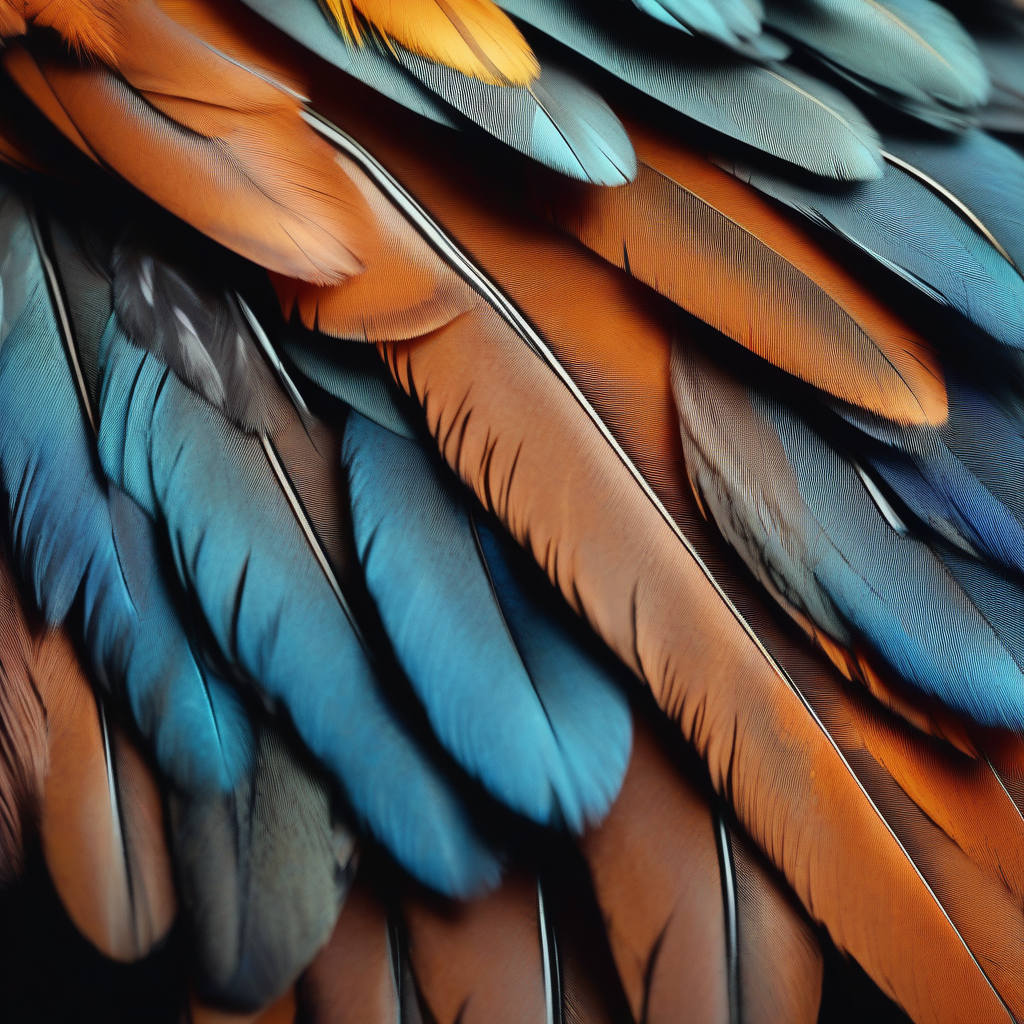
Did you know that your bird's feathers are not just an aesthetic element, but one of the most important indicators of its health and well-being? In this article, you will discover the scientific secrets behind your bird's feathers, the intricacies of their care, and the overlooked dangers.


Discover the neurobiological signals of hidden stress your newly adopted cat experiences during adaptation to a new social environment. This article reveals 5 insidious signs of your cat's silent struggle and scientific strategies for peaceful, long-term harmony.

Your dog's anal sacs, located beneath the tail, can be hidden alarm bells often overlooked but profoundly affecting their quality of life. In this article, you will discover the 5 insidious neurobiological effects of anal sac problems on the brain and the lifesaving care secrets you need to know for your furry friend to live a peaceful life.
In this article, you will find comprehensive information on the insidious neurotoxic effects of heavy metal poisoning in aquarium fish, its symptoms, and lifesaving emergency intervention codes. This condition, which can arise from household water sources, improper equipment, or neglect, can severely threaten your fish's quality of life and lifespan.
Birds, with their elegance and colors, captivate us. However, their most striking feature, feathers, is more than just aesthetic; it's a mirror of the bird's overall health, well-being, and even survival strategies. As of March 2026, we will shed light on the mysteries and critical overlooked details behind this 'invisible armor' by examining the feather health and care of our pet birds through a scientific lens.
Understanding the importance of feathers for birds will completely change our approach to their care. Feathers provide insulation, enable flight, act as camouflage, enhance attractiveness during mating, and most importantly, regulate body temperature, serving as a vital balancing element.
Birds are warm-blooded creatures and must maintain a constant body temperature. Feathers, especially the fine and soft underlayer called 'down,' create an insulating layer that prevents heat loss. In winter, birds fluff up their feathers to thicken this layer and trap more air, increasing insulation. In hot weather, they slightly separate their feathers to increase airflow and prevent overheating. If this complex mechanism is disrupted by any external factor, the bird's health can be directly endangered.
Feather problems frequently encountered by bird owners can often be indicators of underlying more serious health issues. Early diagnosis and appropriate intervention can significantly improve your bird's quality of life.
Feather plucking is a common problem, particularly in species like parrots and budgerigars. Many reasons can lie behind this behavior:
Seasonal molting (pull-off or feather change) in birds is a normal process. However, excessive, irregular, or bloody feather loss can be a sign of a health problem.
Symptoms like dullness, brittleness, and a lifeless appearance of feathers are often due to nutritional deficiencies. Vitamins A, D, E, K, and minerals like zinc and selenium are critical for feather health.
Adopting a proactive approach is essential to maintain your bird's feather health. Here are science-based care strategies:
Birds naturally groom their feathers as part of their social interactions. However, the frequency of bathing or washing and the products used can vary by species. Excessive washing can dry out the skin and damage feather structure, while insufficient washing can lead to buildup and infections.
Your bird's feathers serve as 'invisible armor' for understanding its general health status. Any abnormality in feathers, such as dullness, breakage, excessive shedding, or plucking, is an important clue that should be shared with your veterinarian.
In conclusion, your bird's feathers are not just colorful and beautiful coverings; they are the cornerstone of their health, comfort, and survival. By protecting this 'invisible armor' with scientific approaches, we can ensure our feathered friends lead healthier and happier lives.
