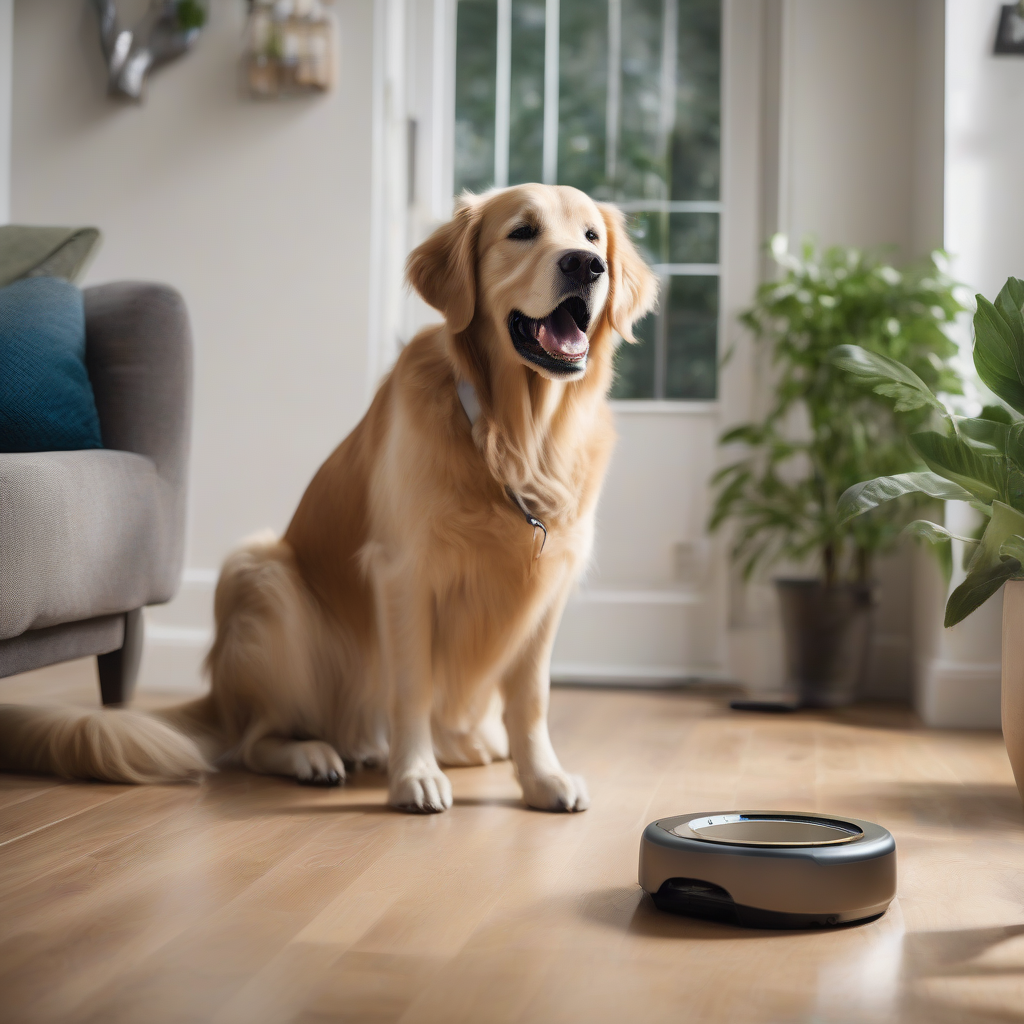
In this article, you will find comprehensive information about biological optimization (biohacking) strategies aimed at scientifically enhancing the quality of life and longevity of our beloved pets. Discover your pet's full potential with current trends and advanced veterinary approaches for March 2026.


Discover the neurobiological signals of hidden stress your newly adopted cat experiences during adaptation to a new social environment. This article reveals 5 insidious signs of your cat's silent struggle and scientific strategies for peaceful, long-term harmony.

Your dog's anal sacs, located beneath the tail, can be hidden alarm bells often overlooked but profoundly affecting their quality of life. In this article, you will discover the 5 insidious neurobiological effects of anal sac problems on the brain and the lifesaving care secrets you need to know for your furry friend to live a peaceful life.
In this article, you will find comprehensive information on the insidious neurotoxic effects of heavy metal poisoning in aquarium fish, its symptoms, and lifesaving emergency intervention codes. This condition, which can arise from household water sources, improper equipment, or neglect, can severely threaten your fish's quality of life and lifespan.
As our pets become an integral part of our families, the desire to maximize their health and well-being has grown. While the term "biohacking" is typically associated with humans, applying scientifically based optimization strategies to our beloved companions to enhance their quality of life and extend their lifespan is now possible. As of March 2026, pet biohacking is a rapidly evolving field, encompassing advanced approaches ranging from nutrition to environment, genetics to behavior. This guide will help you explore your pet's biological potential and implement innovative strategies to help them live their healthiest, longest lives.
Pet biohacking is the process of using scientifically backed strategies, technology, and personalized approaches to optimize the biological systems of our pets. The goal is not merely to treat illnesses but to maximize a healthy animal's potential, slow down aging processes, and improve overall quality of life. This approach requires proactive collaboration between pet owners and veterinary professionals.
Pet biohacking is built upon several key pillars:
Personalized Nutrition and Microbiome Management: Each pet has a unique genetic makeup, age, breed, lifestyle, and health status. Therefore, instead of a generic dietary approach, specific nutrition programs determined by genetic testing and microbiome analysis are implemented. For instance, unlocking your pet's genetic code can reveal their predispositions to certain nutrients or which supplements they might benefit from. Furthermore, balancing the gut microbiome has a wide-ranging impact, from digestive health to the immune system. Prebiotic and probiotic supplements, fermented foods, and diets supporting the gut barrier play a significant role in this area.
Targeted Supplements and Nutraceuticals: Going beyond traditional supplements, specialized nutraceuticals such as antioxidants, omega-3 fatty acids, adaptogens, mitochondrial supporters (e.g., CoQ10), and sirtuin activators are used to provide anti-aging and anti-inflammatory effects at a cellular level. These supplements are selected under veterinary supervision, tailored to the animal's specific needs.
Optimal Environmental Enrichment and Stress Management: The environment in which pets live directly impacts their physical and mental health. Enriched living spaces, appropriate exercise routines, and mentally stimulating games reduce stress-related disorders while supporting cognitive functions. Light therapy or lighting solutions that support natural circadian rhythms can also be considered in this context.
Advanced Monitoring and Early Detection Technologies: Smart wearable devices provide owners with valuable real-time data by monitoring pets' activity levels, sleep patterns, and heart rates. This data can also be used to create a personalized fitness guide for your dog with smart wearable tech. Periodic blood tests, urine analyses, and advanced veterinary diagnostic methods can detect potential problems before symptoms emerge, offering the opportunity for early intervention.
Optimized Regular Exercise and Physical Activity: Physical activity is vital for the overall health of pets. The biohacking approach involves creating targeted exercise programs suitable for your pet's age, breed, and health status. This not only offers innovative solutions against pet obesity but also enhances muscle strength, joint health, and cardiovascular endurance. Swimming, agility courses, or special physiotherapy exercises can be considered.
Pet biohacking should absolutely not be undertaken without the consultation and supervision of a veterinary professional. Your veterinarian will assess your pet's current health status, perform necessary tests, and determine the most appropriate, safe, and effective biohacking strategies for them. Always consult your vet before starting any new diet, supplement, or treatment protocol.
Pet biohacking presents an exciting and scientifically grounded opportunity to enhance our pets' quality of life and extend the time we share with them. These innovative approaches help them become the best versions of themselves, while also shedding light on the future of pet health. In March 2026, you can open a new chapter in your pets' health and well-being journey with these advanced strategies.
