
In this article, you will find comprehensive information about your cat's secret emotional world, synchronicity, and the art of understanding.


Discover the neurobiological signals of hidden stress your newly adopted cat experiences during adaptation to a new social environment. This article reveals 5 insidious signs of your cat's silent struggle and scientific strategies for peaceful, long-term harmony.

Your dog's anal sacs, located beneath the tail, can be hidden alarm bells often overlooked but profoundly affecting their quality of life. In this article, you will discover the 5 insidious neurobiological effects of anal sac problems on the brain and the lifesaving care secrets you need to know for your furry friend to live a peaceful life.
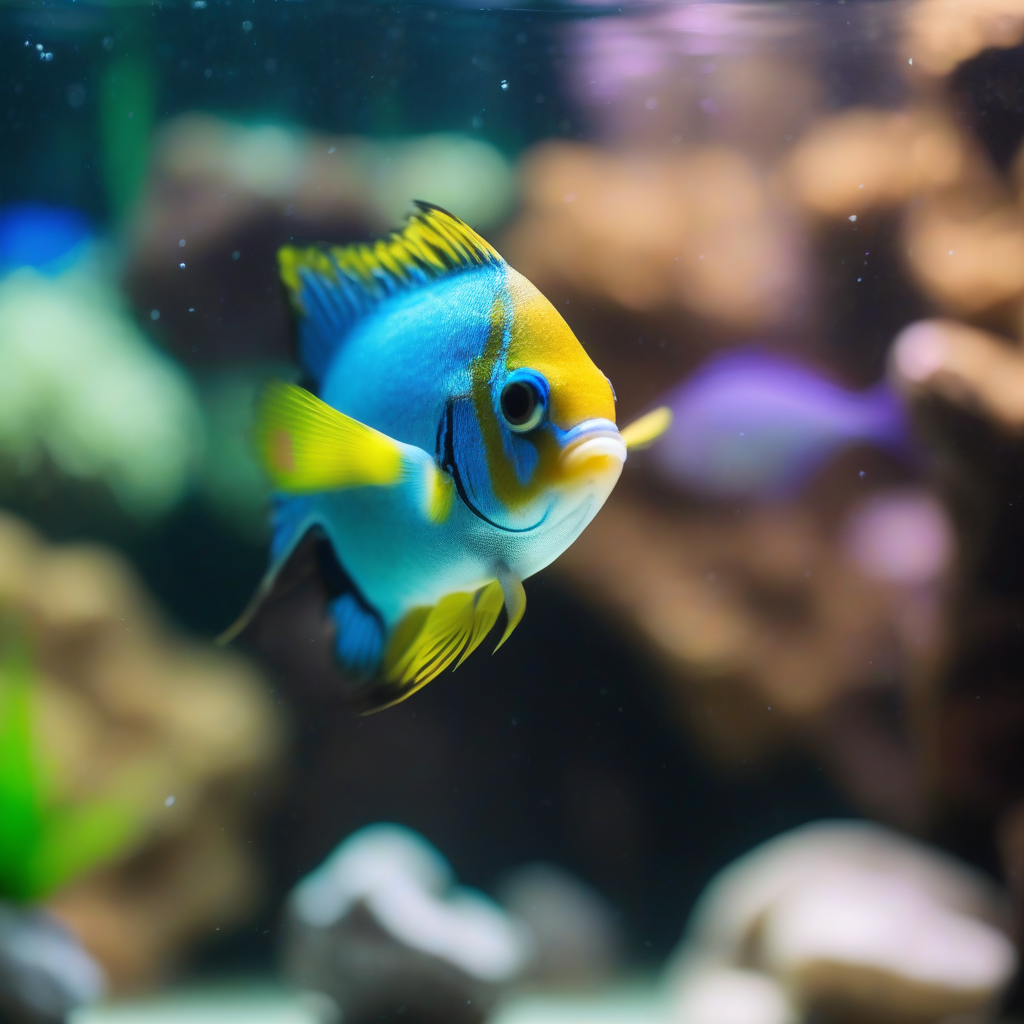
In this article, you will find comprehensive information on the insidious neurotoxic effects of heavy metal poisoning in aquarium fish, its symptoms, and lifesaving emergency intervention codes. This condition, which can arise from household water sources, improper equipment, or neglect, can severely threaten your fish's quality of life and lifespan.
Cats are mysterious and elegant creatures. Sometimes they are silent observers, and sometimes they are loving companions. Understanding their complex world is the key to strengthening the bond between us and enhancing the happiness of our beloved pets. In this article, we will focus on how to understand the subtle cues in cats' behavior, or "synchronicities," and how to delve deeper into their emotional worlds. Our aim is to go beyond general cat care information and focus on deciphering the complex minds of cats by centering on psychology and behavior.
Cats possess a complex communication system. Their tail movements, ear positions, blinks, and meows each carry a message. However, this communication is sometimes hidden in such subtle details that it becomes difficult to notice. For example, a slight dilation of a cat's pupils may not just be a response to bright light, but also an indication of deeper emotions such as excitement, fear, or a desire to play. Their ears turning slightly backward might signal discomfort or tension, while being fully erect and forward indicates curiosity and attention.
In addition to these subtle body language cues, the tones of cats' vocalizations are also of great importance. Even the tone of a meow can help us understand what the cat wants or feels. High-pitched, short meows usually express a greeting or a request for attention, while a long, guttural meow can indicate discomfort or that something is wrong.
"Synchronicity" refers to the phenomenon where seemingly unrelated events are actually connected by a deeper, meaningful link. Popularized by Carl Jung in psychology, this concept also appears in the world of cats. A cat might exhibit a specific behavior, as if forewarned, when you listen to a particular song or pick up a certain object. This indicates how strong your cat's bond is with you and how well they observe your routines.
For instance, if your cat takes its usual spot by the window as you start preparing your coffee, it might not be a coincidence. This could be an indication that your cat has learned your morning routine and wishes to share a specific moment with you. Such synchronicities offer valuable clues for understanding how your cat perceives its environment and forms its bond with you.
Many cat owners believe they fulfill their cats' need for behavioral enrichment simply by providing toys. However, this is only one aspect of the matter. Cats need mental and emotional stimulation, which can be provided not only through physical activities but also through environmental enrichment and your interactions. For example, creating vertical spaces where your cat can watch the outside world, climb, and hide satisfies their natural instincts. This is a topic discussed in articles like Spring 2026: Creating Environmental Enrichment for Indoor Pets – Keys to Happiness and Vitality at Home.
Simple puzzles or toys with hidden treats can be used to develop cats' problem-solving abilities. These types of mental exercises prevent boredom and support their cognitive development. This highlights the importance of cognitive health in cats generally and can be supported by current approaches like March 2026: Your Pet's Mental Fitness with Smart Toys – AI-Powered Brain Exercises and Next-Gen Play Guides.
Cats are highly sensitive to changes in their environment. Sudden noises, new people, rearrangement of furniture, or even changes in your mood can cause stress in cats. Stress can lead to various behavioral problems in cats: excessive grooming, tendency to hide, loss of appetite, or aggressive behaviors. As mentioned in Your Rabbit's Habitat: The Art of Stress Reduction with Hidden Spaces and Secret Escape Routes (2026), safe and hidden spaces are also important for cats. Providing quiet corners where cats feel safe, can escape, and rest plays a critical role in reducing their stress.
If you notice a sudden change in your cat's behavior, it's important to understand the underlying reason. This might not just be a physical ailment but also an emotional void or stress. Recognizing your cat's signs of stress and eliminating these sources will help them lead a happier and more balanced life.
While cats are often perceived as independent, this doesn't mean they don't form social bonds. They can form deep connections with their own species or with humans. The strength of these bonds is not limited to being petted or receiving food. Cats can sense their owners' emotional states and offer support. When a cat cuddles up to you or rubs against you when you're sad, it's a sign of this deep affection.
To understand your cat's attachment to you, focus on the quality of time you spend together. Not just physical contact, but also eye contact, gentle conversation, and quiet time spent together strengthen this bond. Articles like Adopting a New Pet and the Adaptation Process: A Psychological Guide to Nesting in Spring emphasize the importance of the bonds formed during this adaptation process, which also applies to cats.
Some cats may experience anxiety or trust issues due to past traumas, sudden changes, or genetic predispositions. This can lead to a cat avoiding social interaction, excessive vocalization, or exhibiting unexpected fear responses. If you notice such symptoms in your cat, it's important to be patient and provide them with a safe space.
Products like pheromone diffusers can be used as aids in managing anxiety. Additionally, it's important to gradually and controllably eliminate the elements that trigger your cat's fears. Articles focusing on specific health issues, such as March 2026: Managing Spring Allergies in Your Pets – A Comprehensive Guide, offer a comprehensive view of pet health, but emotional well-being should not be overlooked.
Cats are complex and emotional beings. Understanding their hidden worlds requires patience, observation, and empathy. Noticing the subtle synchronicities in their behavior, reading their body language, and responding to their mental and emotional needs are the most effective ways to strengthen our bond. As a cat owner, you are not just their caregiver, but also a guide in their emotional world. This guidance will ensure your cat lives a happier, healthier, and more fulfilling life.
