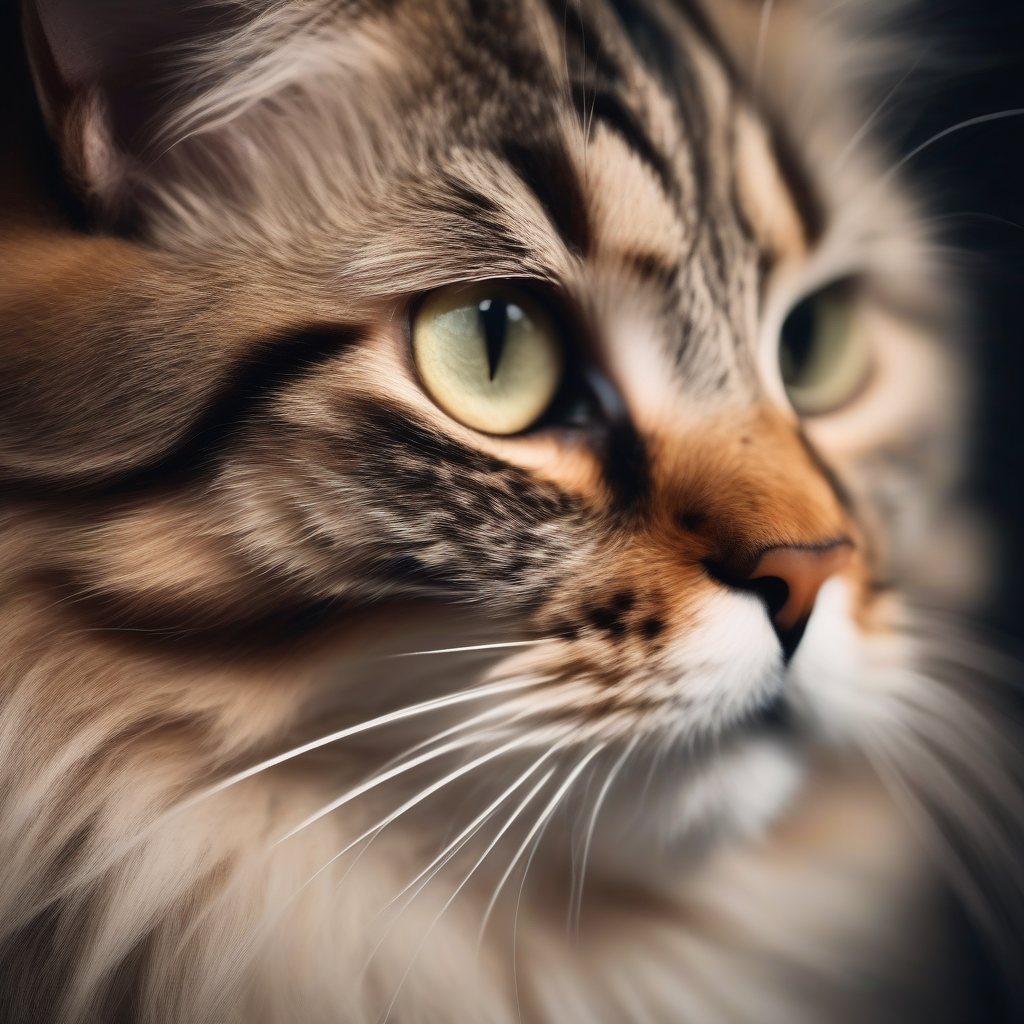
In this article, you will discover little-known scientific facts about your cat's fur health, the underlying causes of hair loss, and innovative grooming strategies to address this issue.


In this article, we will deeply explore the insidious neurobiological effects of gut microbiome imbalance (dysbiosis) on your rabbit's brain health and provide scientific-based solutions to maintain mental vitality.

In this article, you can find comprehensive information on how pancreatitis in dogs not only affects the digestive system but also insidiously impacts the brain, its neuroinflammatory mechanisms, and lifesaving emergency intervention strategies.

Discover the 5 insidious effects of overfeeding, one of the most stealthy threats to your fish's health, causing neurometabolic destruction in their brains, and learn scientific feeding strategies to prevent this demise. Uncover the silent danger in your aquarium!
Your cat's shiny and healthy fur is one of the most visible indicators of its overall health and well-being. However, a common problem faced by many cat owners is excessive hair loss. While often considered a seasonal issue, the scientific realities behind hair loss are far deeper and more complex. In this article, you will discover that your cat's fur is more than just decoration; it's its 'miniature fur shield,' and you'll learn the reasons for its weakening and the scientific ways to strengthen it.
Feline fur is much more than a simple covering. Each hair follicle is a complex biological structure, and these structures determine the hair's life cycle, color, and texture. Fur serves vital functions such as thermoregulation (regulating body temperature), sensory perception (feeling vibrations and airflow), protection (shielding the skin from harmful agents), and even communication (like the bristling of tail and body fur).
Hair follicles undergo a life cycle consisting of anagen (growth), catagen (transition), and telogen (rest) phases. Hair shedding is a natural part of this cycle. However, an imbalance in this cycle or damage to the hair follicles leads to abnormal hair loss.
Often, the reasons behind seasonal hair loss are more than they appear. Scientific research has revealed many factors that can trigger hair loss:
An insufficient intake of protein, vitamins (especially A, E, B vitamins), and minerals (zinc, copper, selenium) in your cat's diet can weaken hair follicles and degrade fur quality. As mentioned in the article Your Fish's 'Secret Nutritional Hooks': The Scientific Dance of Soft and Hard Foods and the Key to Healthy Digestion!, a balanced diet is critical for all bodily functions, including fur health. Deficiencies lead to dull, brittle, and excessive shedding.
Cats are highly sensitive to changes in their environment. As highlighted in Your Bird's 'Invisible Emotional Frequencies': Why Do They Lose Learning Performance Under Stress? Scientific Solutions!, stress negatively impacts not only learning performance but also physical health. Sudden or chronic stress can lead to hormonal changes that affect a cat's hair follicles. This condition, known as 'stress-induced alopecia,' causes the premature shedding of telogen hairs.
Food allergies (such as to chicken or beef) or environmental allergies (pollen, dust mites) in cats can cause itching, inflammation, and consequently, excessive hair loss. This skin discomfort leads the cat to lick and pull its fur, further exacerbating hair loss.
External parasites like lice, fleas, and mites, as well as fungal infections (such as ringworm), directly attack hair follicles or cause skin irritation, leading to hair loss. Articles like Your Dog's 'Invisible Poison Alarm': Recognize Hidden Dangers at Home and 5 Lifesaving Scientific Interventions raise general health awareness about household dangers, but these parasites also pose significant threats to fur health.
Hormonal imbalances such as thyroid problems (hypothyroidism or hyperthyroidism), Cushing's disease, or organ failure (kidney, liver) can also affect fur structure and shedding rate. Content like Your Dog's Invisible 'Thyroid Whispers': The Stealthy Collapse of Metabolic Balance and 5 Lifesaving Early Signs! points to the signs of such systemic issues.
To manage your cat's hair loss and optimize fur health, it's important to implement science-based strategies. Here are next-generation care recommendations:
Instead of relying solely on general food content, create personalized nutrition programs tailored to your cat's specific needs. Foods or supplements rich in Omega-3 and Omega-6 fatty acids can significantly improve fur quality. Consult your veterinarian to select high-quality protein and vitamin/mineral-rich foods specifically formulated for your cat's age, activity level, and potential allergies. Content like Your Fish's 'Invisible Mini Chefs': The Vital Secrets of Micronutrients and the Dangers of Stealthy Deficiencies! emphasizes the importance of micronutrients.
Make your cat's living environment less stressful. Provide quiet corners, scratching posts, elevated platforms, and puzzle toys to ensure your cat is both physically and mentally stimulated. Avoid sudden noises, unexpected visitors, or major changes in its living space. The recommendations in the article Your Cat's 'Secret Play Language': From Hunting Instincts to Stress Relief, The Scientific Secrets of Play and Behavioral Well-being Keys! highlight the importance of play in reducing stress.
Daily or weekly brushing collects loose fur, stimulates blood circulation, and improves skin health. Using appropriate brushes for different coat types is essential. For long-haired cats, preventing matting is key, while for short-haired cats, gently removing dead hair is important. If you notice any abnormalities on the skin, such as redness, lumps, or signs of fleas during grooming, consult your veterinarian. Content like Your Bird's Invisible Feather Plucking Cycle: Stealthy Stress Triggers and the Art of Saving Feather Health with Scientific Care Strategies! clearly illustrates the connection between fur health and overall well-being.
If you notice excessive or sudden hair loss in your cat, your first step should be to consult your veterinarian. A comprehensive examination and tests may be conducted to identify any underlying medical condition (allergy, infection, hormonal issue, etc.). If a medical condition is diagnosed, the hair loss can be managed with the correct treatment plan.
With your veterinarian's recommendation, supplements that support fur health can be used. Supplements containing Omega fatty acids, biotin, and zinc strengthen fur structure. Additionally, specialized shampoos and lotions that support skin health can also help reduce hair loss. However, it is essential to consult a veterinarian before using these products.
Your cat's fur is a part of its identity and a mirror of its health. Understanding the scientific realities behind hair loss and adopting next-generation care strategies ensures your cat leads a more comfortable life and aids in the early detection of potential health issues. Remember, healthy fur is the result of scientific and diligent care.
